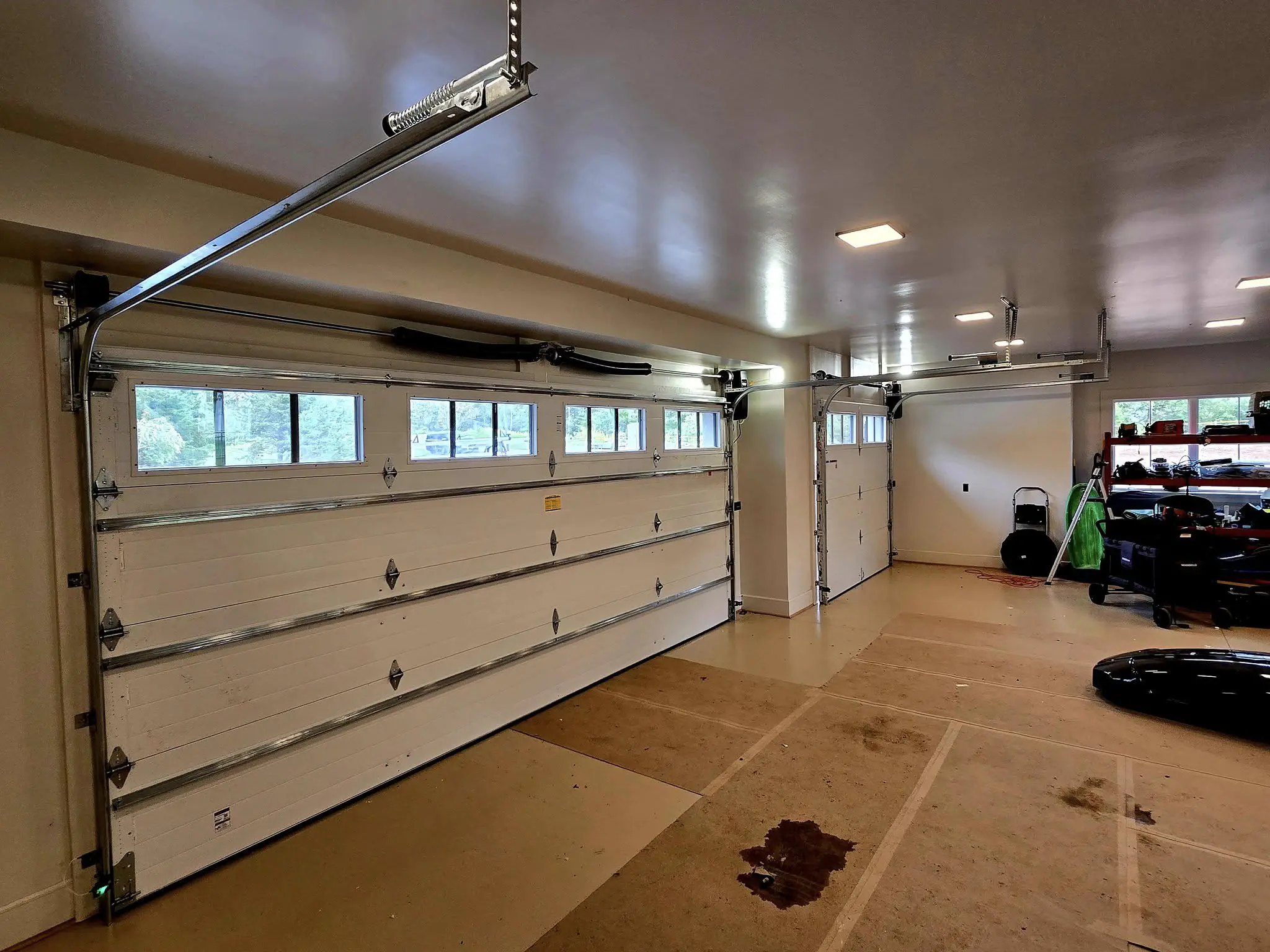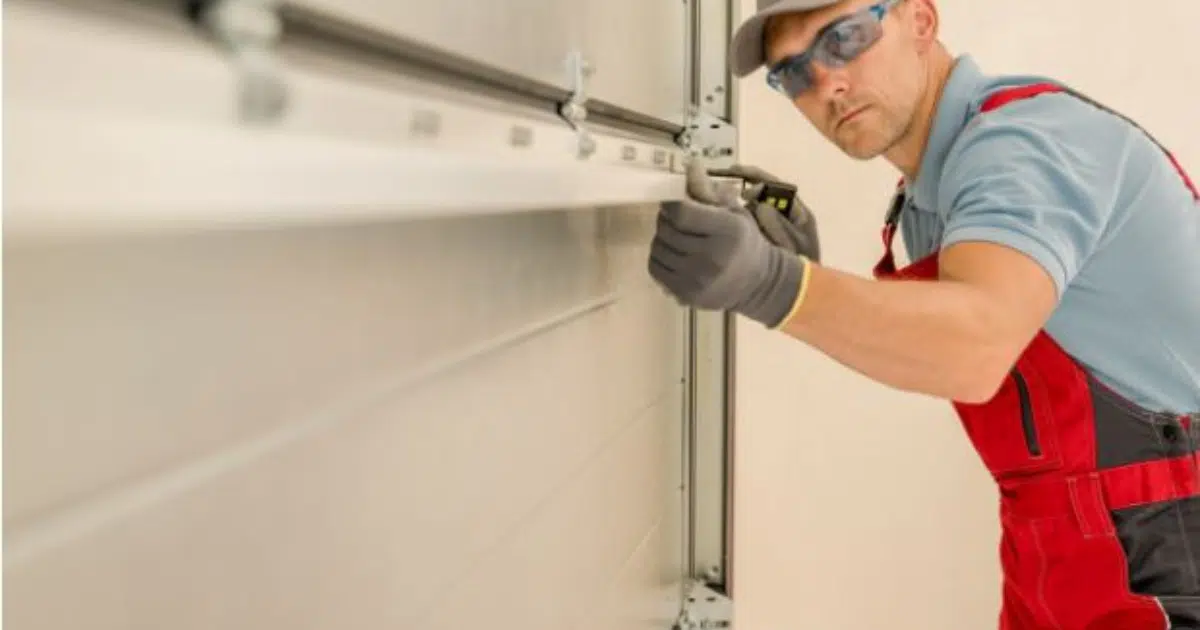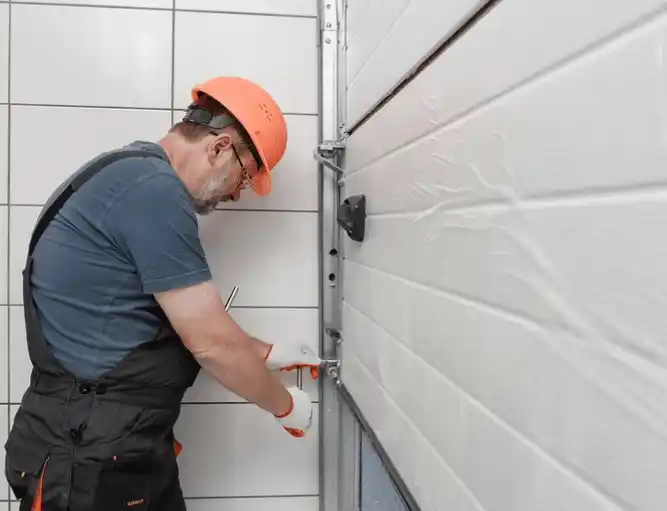
Quick answer
To prepare your garage door for cooler weather in South Texas, do six things before the first cold front: replace a cracked bottom seal, re-lubricate the moving parts, look closely at the springs, test the opener and its backup battery, tighten loose hardware, and make a plan for freeze days. Our winters are mild, but fronts drop temperatures fast. That sudden change is what stiffens old lubricant, freezes seals to the slab, and pushes worn springs past their limit. Most of this takes under an hour, and anything involving spring tension belongs to a licensed technician.
Key takeaways
- Seals first: a cracked or flattened bottom seal lets cold air in and can freeze to the driveway.
- Fresh lubricant: summer heat dries lubricant out, and old residue turns stiff and gummy when it’s cold.
- Springs are the big risk: a worn spring is more likely to snap during a cold snap. Never adjust one yourself.
- Power backup: know how your manual release works and check the opener’s battery backup before an outage.
- Don’t force a frozen door: running the opener against a stuck door can strip gears or bend sections.
- Fall is the best time for a tune-up, before the busy freeze-day calls start.
1. Replace a cracked or flattened bottom seal
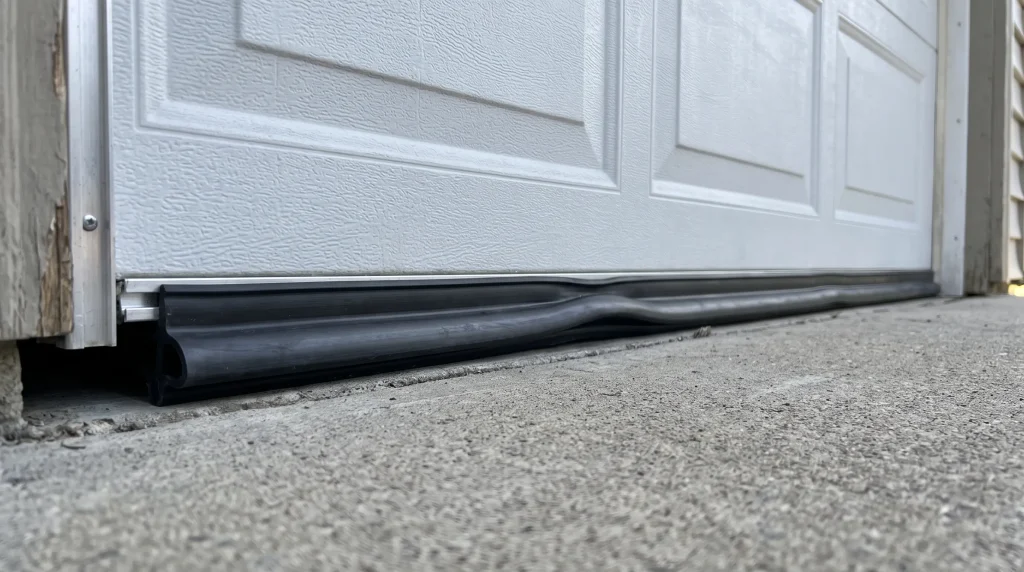
The bottom seal is the first thing to fail when the weather turns. After a South Texas summer of direct sun, many seals are hard, cracked, or pressed flat, and a damaged seal lets cold air, rain, and pests slip under the door.
How to tell if your garage door bottom seal needs replacing before winter
Symptom: you can see daylight under the closed door, feel a draft, or find leaves and water inside after a storm.
Most likely cause: heat and UV exposure hardened the rubber, so it no longer flexes to fill gaps in the slab.
How to fix it:
- Close the door and check for light along the bottom and both sides.
- Press the seal with your thumb. If it feels stiff or cracks, replace it.
- Note the seal’s shape where it slides into the bottom retainer and measure the door width.
- Slide the old seal out, clean the retainer channel, and slide in a matching new one.
- Check the side and top stop seals too, since cold air finds every gap.
This is the easy way to replace a garage door bottom seal, step by step. For the side and top seals, here’s how to weatherproof your space with garage door weatherstripping.
Call a pro if: the retainer is bent or rusted, or the gap is wider on one side than the other. An uneven gap usually means the door is out of level. A cracked section can also leak cold air, and garage door panel replacement fixes it without replacing the whole door.
2. Re-lubricate the moving parts
Fresh lubricant is the cheapest cold-weather fix there is. Lubricant applied in spring is often dried out or gummy by fall, and old residue gets thicker when temperatures drop. That’s why a door that ran fine in August can groan, jerk, or slow down on the first chilly morning.
How to lubricate a garage door for cold weather
Symptom: squeaking, grinding, or a door that moves slower than usual on cold mornings.
Most likely cause: dried or thickened lubricant on hinges, rollers, and springs.
How to fix it:
- Wipe old grime off hinges and roller stems with a dry rag.
- Use a garage door lubricant, either silicone or white lithium spray. Silicone stays slick in cooler temperatures.
- Apply a light coat to hinge pivots, steel roller bearings, torsion spring coils, and the end and center bearings.
- Open and close the door a few times to spread it.
- Wipe the tracks clean, but don’t lubricate them. Grease in the tracks collects dirt and makes rollers skid.
Lubrication is one of eight checks in our Garage Door Safety & Preventative Maintenance Guide for Texas Homeowners, which covers the full year-round routine.
Call a pro if: the door still grinds or binds after fresh lubrication. A fall garage door maintenance visit covers lubrication, adjustment, and a full safety check in one trip.
3. Look closely at the springs before the first cold front
Springs are the part most likely to fail during a cold snap. Every spring is rated for a limited number of open-and-close cycles, and a spring near the end of its life is more likely to give out when temperatures drop suddenly.
How to check garage door springs for cold weather damage
Symptom: a loud bang from the garage, a door that suddenly feels very heavy, or a visible gap in a coiled torsion spring above the door.
Most likely cause: metal fatigue from years of cycles, often with rust that weakens the coils.
How to check safely:
- With the door closed, look at the springs from the floor. Don’t touch them.
- Look for rust, a stretched or uneven coil, or a gap anywhere in the spring.
- Run a balance test: pull the emergency release, lift the door halfway by hand, and let go. A balanced door stays put.
- If the door drops, rises, or feels very heavy, stop and leave it closed.
For the full walkthrough, read Garage Door Balance Test: A Simple Safety Check Every Homeowner Should Know. It also helps to know why garage door springs break unexpectedly and how long a garage door spring can last.
Never DIY: adjusting, winding, or replacing a spring. These parts hold enough tension to cause serious injury. DASMA’s garage door spring safety tips recommend having older springs inspected by a professional and replaced when needed.
Call a pro if: the door fails the balance test or you see any gap, rust, or stretching. A worn spring is far cheaper to replace on your schedule than after it snaps on a freezing morning, and garage door spring repair handles both torsion and extension springs.
4. Test the opener, sensors, and backup battery
Cold fronts in South Texas often bring wind, ice, and power outages, so your opener needs to be ready to work without power. A cold door is also harder to move, which can make an opener reverse or stall when it didn’t in summer.
How to get your garage door opener ready for cold weather
Symptom: the door reverses on its own, stops partway, or the opener hums but the door won’t move.
Most likely cause: stiff lubricant making the door heavier, a weak backup battery, or dirty or fogged sensor lenses.
How to fix it:
- Wipe both photo-eye lenses with a dry cloth and check that the indicator lights are steady.
- Run the contact test: lay a 2×4 flat in the door’s path and make sure the door reverses when it touches it.
- If your opener has a battery backup, test it by unplugging the opener and running the door once.
- Replace weak batteries in remotes and keypads. Batteries lose strength in the cold.
- Practice pulling the emergency release so every adult in the home knows how to open the door by hand.
If your sensor lights won’t settle, here’s why garage door sensors blink in San Antonio. Learn how to replace a garage door opener battery, and what to do when the garage door opener isn’t working after a power outage. For a broader seasonal routine with photos, see Bob Vila’s garage door maintenance checklist.
Call a pro if: the door keeps reversing after fresh lubrication and clean sensors, or the opener strains and grinds. An older unit with no battery backup or no photo eyes may be due for a new garage door opener.
5. Tighten hardware and check rollers, tracks, and panels
Metal contracts in the cold, and hardware that was already a little loose can shift enough to throw a door out of alignment. A quick hardware check in fall prevents most cold-weather track problems.
How to fix a garage door that sticks or won’t close in cold weather
Symptom: the door stops a few inches short of the floor, jerks in the tracks, or leaves a gap at the bottom that wasn’t there in summer.
Most likely cause: loose track brackets, worn rollers, or travel limits that need a small adjustment after the door’s parts contract.
How to fix it:
- Tighten hinge bolts and track mounting brackets with a socket wrench.
- Look at each roller for cracks, flat spots, or wobble.
- Sight down both tracks for bends or gaps at the mounting points.
- Never touch the bottom brackets where the cables attach. They’re under spring tension.
If the door won’t close all the way, the opener’s limit switch on the garage door may need adjusting. If a roller has popped out, here’s how to fix a garage door off track safely. Small parts like hinges, bearings, and cable drums wear quietly for years, and The Most Overlooked Garage Door Parts That Cause Costly Repairs explains which ones to watch. For more seasonal garage projects, browse the This Old House garage maintenance guides.
Call a pro if: a track is bent, a bracket is cracked, or bolts keep backing out. Those point to an alignment problem that needs garage door repair.
Thinking about insulation? If your garage feels as cold as outside, an older uninsulated door may be the reason. A new garage door with insulated sections helps keep an attached garage warmer in winter and cooler in summer, and professional garage door installation makes sure the springs are matched to the new door’s weight.
6. Make a plan for freeze days
The biggest cold-weather mistakes happen on the morning of a freeze, when someone is in a hurry. A short plan made now keeps a stuck door from turning into a broken one.
What to do when your garage door is frozen shut
Symptom: the opener runs, but the door won’t lift, or it rises a few inches and stops.
Most likely cause: the bottom seal has frozen to the slab, or ice has built up along the bottom edge.
What to do:
- Stop pressing the button. Running the opener against a frozen door can strip gears or bend the top section.
- Disconnect the opener with the emergency release.
- Gently free the seal with a plastic putty knife, or wait for the sun to warm the slab.
- Clear water or slush from under the door before the next freeze so it can’t refreeze.
- Never run a car or generator inside a closed garage while you wait. Exhaust fumes build up fast.
Keep an eye on local alerts before a front arrives. The City of San Antonio shares freeze warnings and cold-weather preparedness updates for residents.
Call a pro if: a spring snaps, a cable comes loose, or the door comes off its tracks during a freeze and your car is stuck inside. That’s exactly what 24/7 emergency garage door service is for.
Cold-weather garage door prep: DIY or call a pro
Most fall prep is safe to do yourself. Anything tied to spring tension, cables, or bent tracks belongs to a licensed technician.
Cold-weather task | DIY safe? | When to do it | Call a pro if |
Replace bottom seal | Yes | Early fall, before the first front | The retainer is bent or the gap is uneven |
Lubricate hinges, rollers, springs | Yes | Early fall | The door still grinds or binds |
Visual spring check | Yes (look only) | Early fall | You see rust, stretching, or a gap |
Balance test | Yes | Early fall, then monthly | The door drops, rises, or feels heavy |
Sensor and contact test | Yes | Monthly | The door won’t reverse after cleaning |
Test battery backup and remotes | Yes | Early fall | The backup won’t run the door |
Tighten hinge and track bolts | Yes | Early fall | Bolts keep loosening or brackets crack |
Free a frozen door | Yes, gently | During a freeze | Anything bends, snaps, or comes off track |
Spring adjustment or replacement | No | As needed | Always |
Cable, bottom bracket, or track repair | No | As needed | Always |
Get ahead of the first cold front
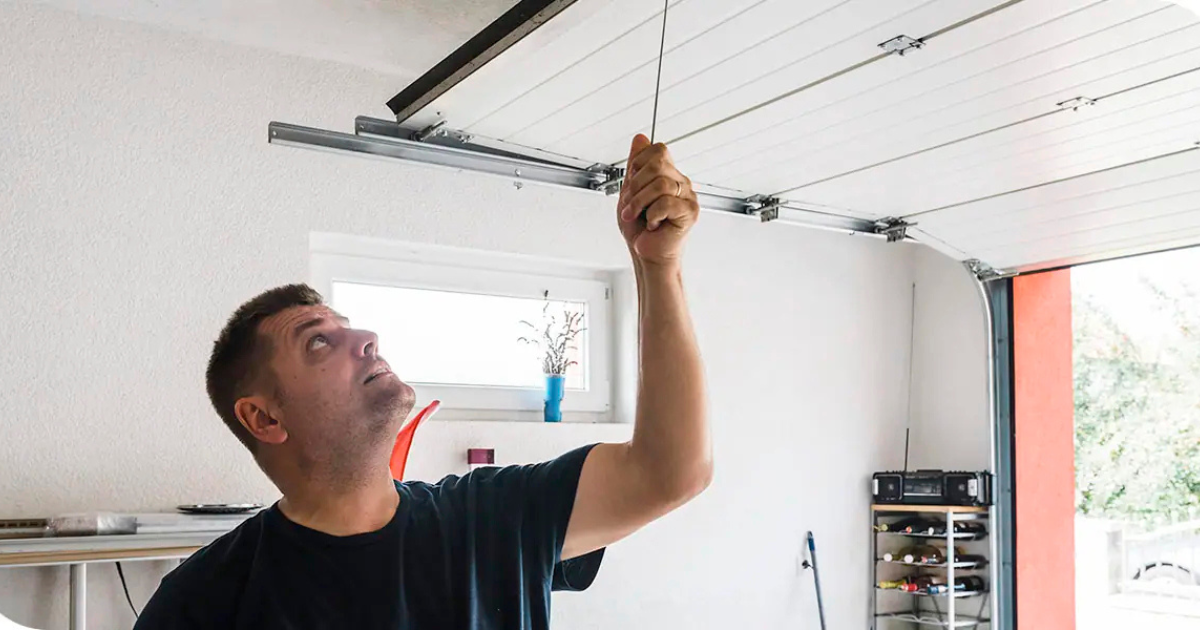
South Texas winters are short, but the cold arrives fast. A new seal, fresh lubricant, a spring check, a tested opener, tight hardware, and a freeze-day plan are what keep a mild winter from turning into an emergency call.
If you’d rather have it done for you, a licensed technician from Lincoln Garage Doors LLC can handle your fall tune-up in one visit. We check the springs, cables, seals, sensors, and opener, and we tell you what needs attention now and what can wait until spring.
Schedule your fall garage door tune-up today and get an upfront quote before any work begins.