That little blinking light down by the floor of your garage seems small, but it usually means your garage door is trying to tell you something. When garage door sensors blink, your door often refuses to close, reverses on its own, or just sits there beeping. For homeowners across San Antonio, this is one of the most common garage headaches, and the good news is that most of the time the cause is simple.
The Texas climate plays a big role here. Between the strong sun, the dust that blows through Bexar County, the sudden storms, and the summer heat, garage door sensors in this area take a beating. Even quality garage door openers can act up when the sensors connected to them are struggling. Understanding what makes them blink helps protect your family, your car, and your peace of mind. It can also save you from bigger problems down the road, like the kind of damage that leads to garage door panel replacement. Below are the ten most common reasons garage door sensors blink in San Antonio, plus what to check and when it makes sense to call a local pro.
What a Blinking Garage Door Sensor Is Actually Telling You
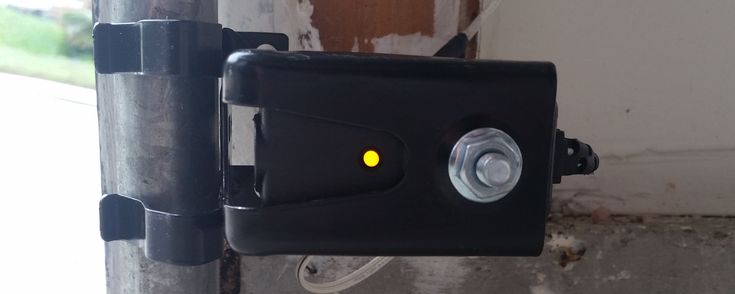
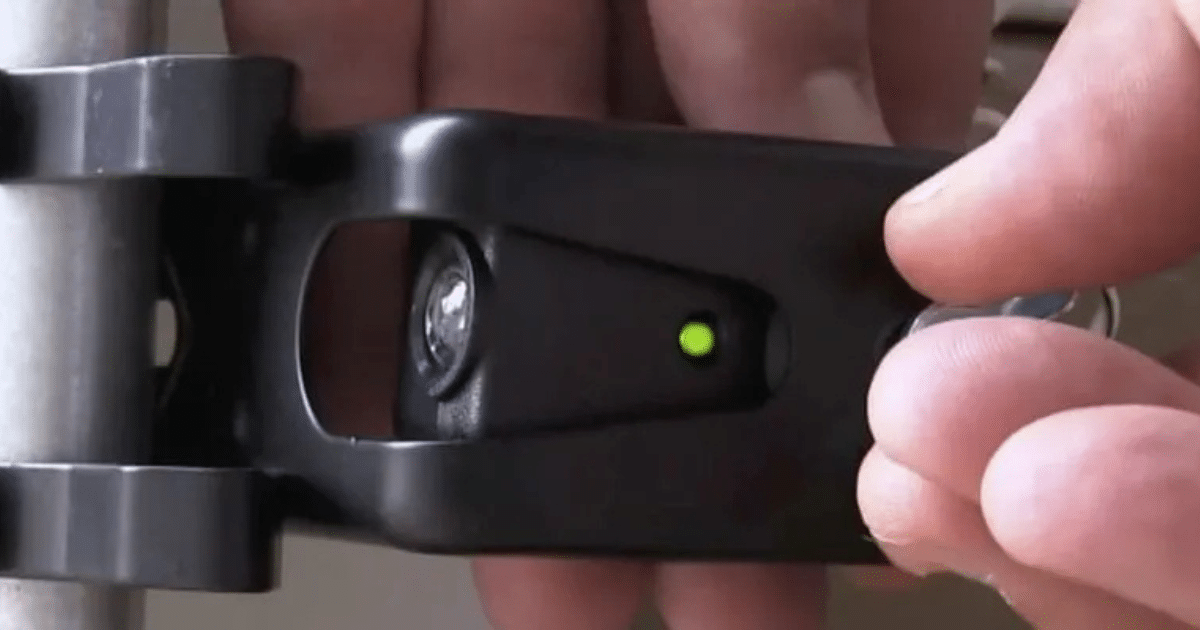
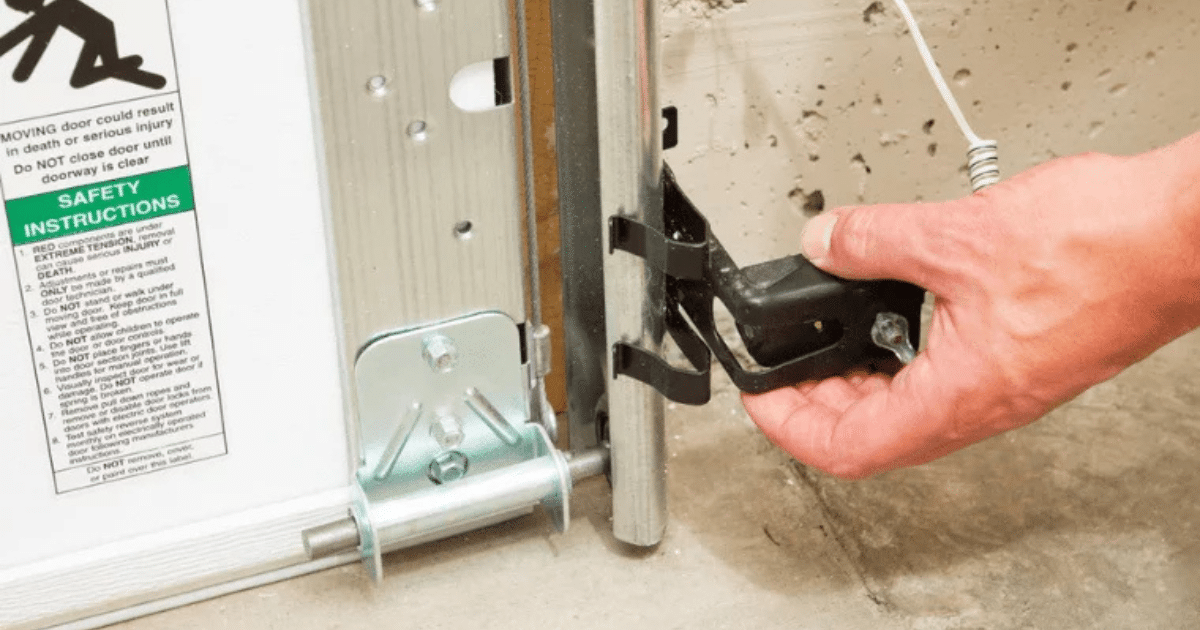
Every modern garage door has two small units near the bottom of the tracks, usually four to six inches off the floor. These are the garage door safety sensors, and they face each other across the opening. One sends out an invisible infrared beam, and the other receives it. This connection is called the garage door safety beam, and it exists to stop the door from closing on a person, a pet, or a bicycle left in the way.
When that beam is broken or unclear, the sensors blink to warn you. A steady light usually means everything is fine. A blinking light means the two units cannot “see” each other. Learning to read that signal is the first step in garage door sensor troubleshooting, and it saves a lot of stress. These garage door photo eye sensors are the heart of your garage door safety system, so a blinking light should never be ignored.
For a closer look at spotting proper alignment, check out the guide “How to Tell If Garage Door Sensors Are Aligned.“
10 Reasons Garage Door Sensors Blink in San Antonio
1. Misaligned Garage Door Sensors
The number one cause by far is alignment. If one sensor gets bumped even a little, the beam no longer lines up, and the light starts to blink. Misaligned garage door sensors happen easily, especially in busy garages where kids, bikes, and lawn equipment come and go.
Proper garage door sensor alignment means both units point straight at each other with their lights glowing steady. When people ask how to align garage door sensors, the honest answer is that it takes a careful eye and a gentle hand, since even a slight tilt breaks the connection. Checking whether your garage door sensors are level is the fastest way to spot this issue.
2. Dirty or Dusty Lenses
San Antonio gets its share of dust, pollen, and grime, and all of that lands on the little glass eye of each sensor. When the lens is coated, the beam cannot pass through clearly, and the light blinks. This is one of the most common reasons for garage door sensors not working, and it is also the easiest to fix.
A soft, dry cloth wiped gently across the lens often solves the problem in seconds. Avoid harsh cleaners or paper towels that scratch. Keeping those garage door photo eye sensors clean is a small habit that prevents a lot of frustration.
3. Bright Texas Sun and Glare
Here is a local twist many homeowners never expect. The strong afternoon sun in San Antonio can shine directly into a sensor and overwhelm the infrared beam. When that happens, the receiving unit gets confused and the light blinks, usually at the same time each day.
If your garage faces west and the blinking only happens in late afternoon, sunlight is a likely suspect. This is a real quirk of garage door sensors in sunny climates, and it is worth noting during any garage door sensor troubleshooting session.
4. Loose or Damaged Wiring
Behind each sensor runs a thin wire that connects back to the garage door opener. Over time, staples work loose, wires get nicked by yard tools, or rodents chew through the insulation. When the wiring is damaged, the signal drops and the light blinks or goes dark.
Wiring problems are trickier and often point toward a need for garage door sensor repair rather than a quick home fix. Loose wiring is also a frequent hidden cause behind garage door sensors not working even after the lenses look spotless.
5. Something Blocking the Path
Sometimes the answer is right in front of you. A trash can, a stray box, a coiled hose, or even a spiderweb can break the garage door safety beam. Spiders love building webs across that low, quiet space, and San Antonio has plenty of them.
Walk the length of the door opening and look for anything sitting in the beam’s path. Clearing the space often stops the blinking instantly. This is the first thing every technician checks during garage door sensor troubleshooting because it is so common.
6. Moisture From San Antonio Storms and Humidity
Sudden downpours and high humidity are part of life here, and moisture is hard on electronics. Water can seep into a sensor housing, fog up the lens, or corrode the connections. When that happens, the garage door safety sensors misread the beam and start blinking.
If the blinking begins right after a storm, moisture is a strong possibility. Corrosion inside the unit sometimes leads to garage door sensor replacement, since a water-damaged sensor rarely recovers on its own.
7. Power Surges and Electrical Hiccups
Texas storms bring lightning, and lightning brings power surges. A surge can scramble the tiny circuits inside your sensors or your opener, leaving the light blinking even though everything looks lined up. Flickering power and brownouts during the hot months can do the same thing.
Unplugging the opener for a short reset sometimes clears a minor electrical glitch. If the blinking returns quickly, the surge may have caused deeper damage that calls for garage door sensor repair.
8. Old or Worn-Out Sensors
Nothing lasts forever. Most garage door sensors run well for many years, but heat, sun, and daily use eventually wear them out. Aging units may blink randomly, respond slowly, or stop reading the beam altogether.
If your sensors are more than a decade old and blinking often, age is a fair guess. At that point, garage door sensor replacement is usually smarter than repeated repairs, and it restores reliable garage door operation.
9. A Bumped Sensor Bracket
The metal bracket that holds each sensor can bend or shift when a car door swings open too far, a bike leans against it, or a heavy bag brushes past. A twisted bracket throws off garage door sensor alignment and starts the light blinking.
Look closely at the bracket, not just the sensor. If the metal is bent, the sensor cannot aim straight no matter how you adjust it. Fixing the bracket is part of correcting misaligned garage door sensors and getting the door back to normal.
10. A Failing Garage Door Opener Signal
Finally, the problem is not always the sensors themselves. Sometimes the garage door opener is losing its connection or has a failing control board. When the opener cannot process the sensor signal properly, the light blinks even though the sensors are clean and aligned.
This one is harder to spot without experience, which is why it often calls for a trained hand. A weak opener affects the whole system, from the garage door safety beam to the overall garage door operation.
To learn more about how the Texas climate factors in, take a look at “Can Texas Heat Knock Garage Door Sensors Loose?“
Quick Checklist: What to Check First (Safe DIY Steps)
Before calling anyone, run through these simple, safe checks. Most blinking issues fall into this list, and none of these steps require tools or taking anything apart.
- Clear the path. Remove any object, cobweb, or clutter between the two garage door photo eye sensors.
- Wipe the lenses. Use a soft, dry cloth on each garage door safety sensor.
- Check the aim. See if both sensors point at each other with steady, glowing lights.
- Look for sun glare. Notice whether the blinking only happens at a certain time of day.
- Inspect the brackets. Make sure neither bracket is bent, loose, or knocked out of place.
- Scan the wiring. Glance at the visible wires for obvious chew marks or breaks.
- Reset the power. Unplug the opener briefly, then plug it back in.
These steps cover the everyday causes of garage door sensors not working. If the light still blinks after all of them, the issue is likely deeper and points toward professional garage door sensor troubleshooting.
Not sure what those steady lights should look like? The guide “What Color Light Means Garage Door Sensors Align?“ breaks it down.
When to Call a San Antonio Garage Door Pro
Some problems are best left to a trained technician, and safety is the reason. Garage doors are heavy, the wiring carries current, and a door that closes on someone can cause serious injury. If the blinking continues after the basic checks, or if you notice damaged wiring, water damage, or a door that reverses on its own, it is time for a local expert.
A qualified residential garage door service can pinpoint the exact cause quickly, whether that means garage door sensor repair, garage door sensor replacement, or a fresh look at your garage door balance and opener. The average cost for a sensor service call in the San Antonio area is modest compared with the risk of an unsafe door, and most visits are handled the same day. Professional garage door repair also protects any warranty on your equipment, which matters if the parts are still covered.
Trained San Antonio technicians also check things a homeowner cannot easily see, such as the health of the control board, the true condition of the garage door safety beam, and whether the door itself is putting stress on the system. Correct garage door sensor alignment is precise work, and getting it right the first time keeps you safe.
How to Keep Your Garage Door Sensors Working in San Antonio
A little prevention goes a long way, especially in the Texas climate. These habits help your garage door sensors stay reliable and cut down on blinking lights over the years.
- Wipe the lenses monthly. Dust builds up fast in San Antonio, so a quick clean keeps the beam clear.
- Keep the area tidy. Store bikes, tools, and trash cans away from the sensor path.
- Watch the brackets. Be gentle when parking and loading so nothing bumps the units out of alignment.
- Protect against moisture. After big storms, check that the sensors are dry and free of fog.
- Schedule a yearly tune-up. An annual visit from a residential garage door service catches small issues early and keeps your garage door balance and operation smooth.
- Mind the sun. If glare is a repeat problem, a technician can suggest simple shielding.
Staying ahead of the common causes means fewer surprises. Well-maintained garage door safety sensors last longer, and a properly aligned garage door safety beam keeps your family protected every single day.
Keep Your San Antonio Garage Door Running Safely
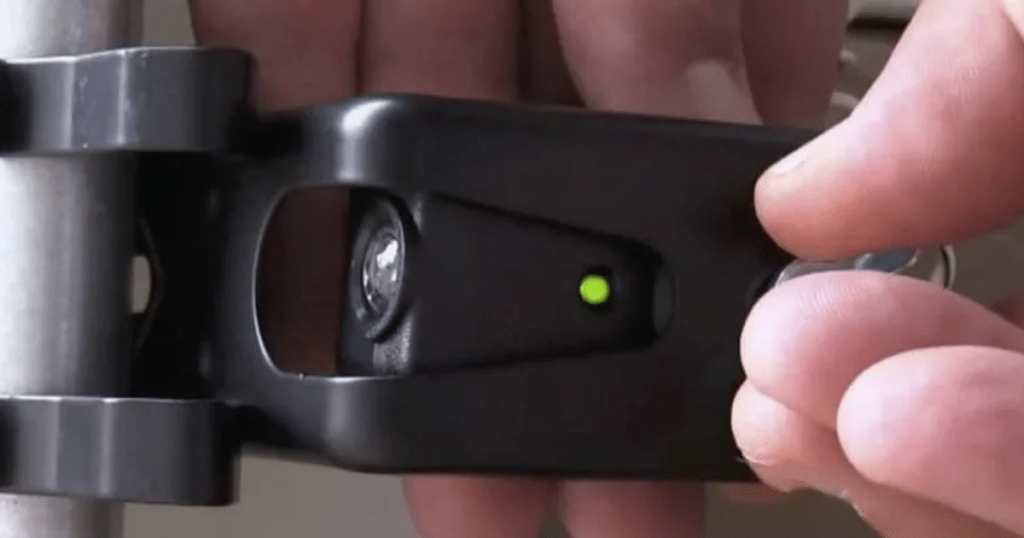
A blinking sensor is your garage door asking for a little attention, and in San Antonio the causes usually trace back to the same short list: alignment, dirt, sun, moisture, wiring, or age. Running through the simple checks above solves the problem more often than not. When it does not, a trusted local technician can handle the tougher jobs safely, from garage door sensor alignment to full garage door repair.
Keeping those garage door photo eye sensors clean, clear, and correctly aimed protects everyone who walks through that door. Regular garage door maintenance goes a long way toward preventing blinking lights and other surprises, and it keeps the whole system in top shape. And if your door is aging or beyond repair, exploring new garage doors can be a smart, safe upgrade for your home. Treat the blinking light as a helpful heads-up rather than a hassle, and your garage door will keep running safely for years to come.
Your Trusted San Antonio Garage Door Team
When those garage door sensors keep blinking and the simple checks are not enough, Lincoln Garage Doors LLC is ready to help. Serving homeowners across San Antonio, our team brings the experience, care, and honest service that keeps your door safe and running smoothly. From garage door sensor alignment and garage door sensor repair to full residential garage door service, our friendly experts treat every home like our own and get the job done right the first time. Contact us today or give us a call to schedule your service and get your garage door back to working safely.