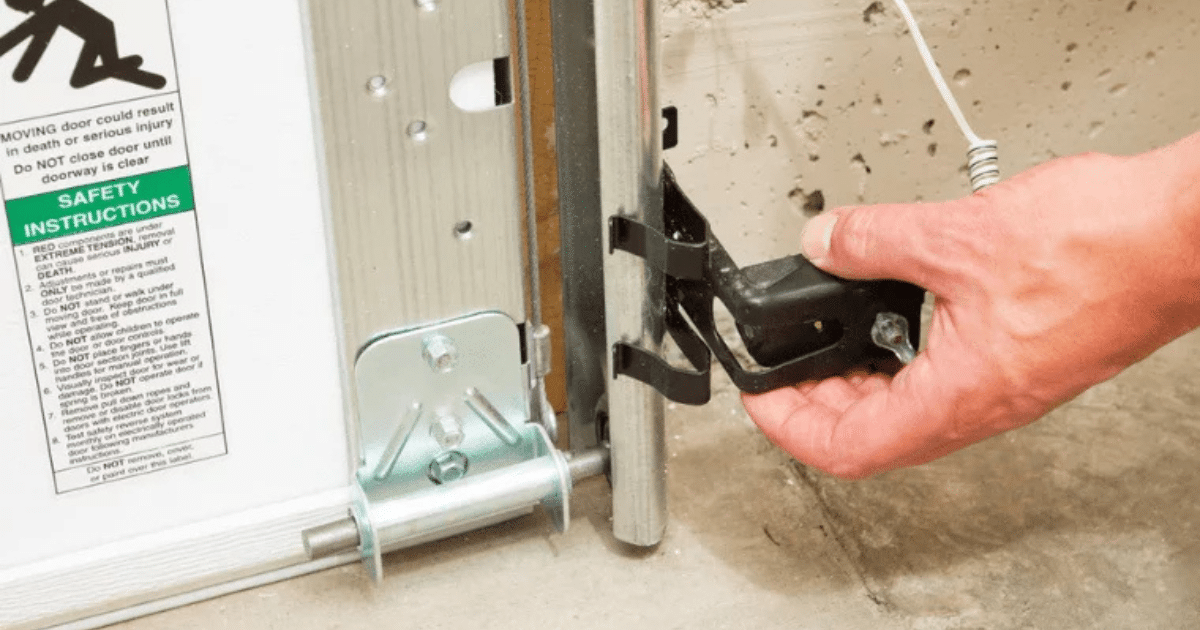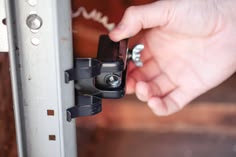
Summer in San Antonio does not play around. When the pavement gets hot enough to fry an egg and the AC runs all day, every part of a home takes a beating. The garage often takes the worst of it. Temperatures inside an attached garage can climb well past what the outside thermometer reads. That heat does more than make the space uncomfortable. It can slowly work against the small parts that keep an overhead door safe, including the garage door sensors mounted near the floor. The strain does not stop there either, since the same heat can wear on garage door openers and other moving parts over time.
The short answer is yes. Texas heat really can knock garage door sensors loose over time. It rarely happens in one afternoon. Instead, it builds up across many hot days and cool nights. In severe cases, warping and daily stress can even lead to garage door panel replacement down the road. This guide breaks down why it happens, what to watch for, and what smart steps a homeowner can take before a small issue turns into a stuck door.
How Texas Heat Puts Stress on Garage Door Sensors
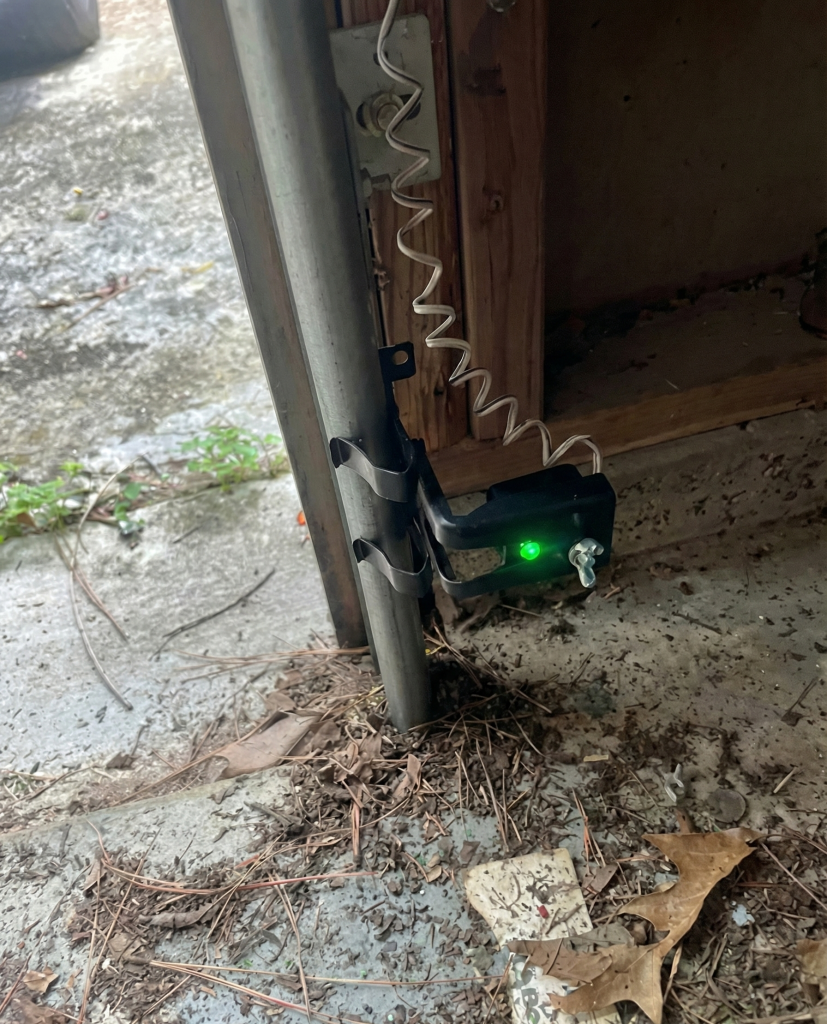
Every material expands when it heats up and shrinks when it cools down. Metal brackets, plastic housings, and mounting screws all move a tiny bit each day. In San Antonio, where daytime highs and nighttime lows can swing a lot, that back-and-forth movement never really stops during summer.
Over weeks and months, this constant expanding and shrinking can loosen the screws that hold garage door sensors in place. The plastic housings that protect garage door photo eye sensors can also warp slightly in extreme heat. When that happens, the two units stop pointing at each other the way they should. Even a shift of a few degrees can break the invisible line between them.
Add in the vibration from daily garage door operation, and the problem speeds up. Every time the door goes up and down, the whole system shakes a little. Loose hardware plus daily vibration plus Texas heat is a recipe for garage door sensors that slip out of position. This is one of the most common reasons a San Antonio homeowner suddenly finds a door that will not close.
Want to be sure yours are still lined up right? Check out the guide “How to Tell If Garage Door Sensors Are Aligned“ for a simple walkthrough.
Warning Signs Your Garage Door Sensors Are Not Working
Most homeowners do not think about the little eyes near the bottom of the door until something goes wrong. Learning the early warning signs can save a lot of stress. Here are the clearest signals that garage door sensors are not working the way they should.
- The door refuses to close all the way and reverses on its own. This is the classic sign. When garage door safety sensors lose their connection, the opener assumes something is blocking the path and stops the door for safety.
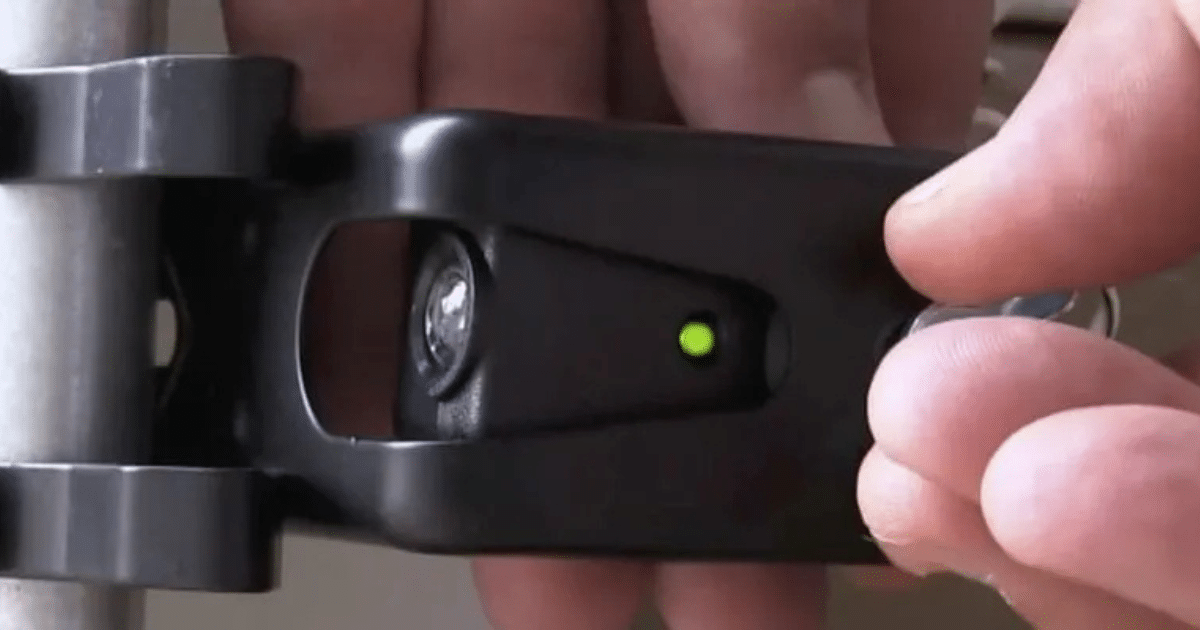
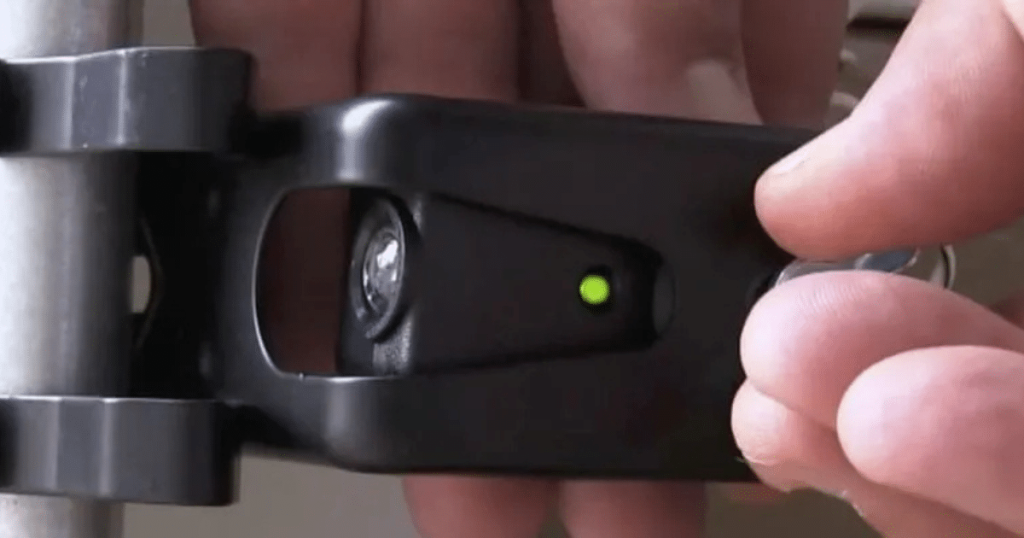
- The indicator lights change color or blink. Most garage door photo eye sensors have a small light on each unit. A steady light usually means good alignment. A blinking or dark light often points to misaligned garage door sensors or a wiring issue.
- The opener lights flash after you press the button. Many openers flash their overhead bulbs a set number of times to signal a sensor problem. That flashing is a built-in hint that garage door sensor troubleshooting is needed.
- The door only closes if you hold the wall button down. When a door will only move while you keep pressure on the button, the system is telling you the garage door safety beam is broken somewhere along the line.
Spotting these signs early gives a homeowner time to act before the door fails completely on a busy morning.
Curious why those little lights keep flashing? The article “Why Do Garage Door Sensors Blink in San Antonio?“ breaks down what each blink is trying to tell you.
Why Misaligned Garage Door Sensors Are So Common in San Antonio Summers
San Antonio faces a mix of conditions that make sensor trouble more likely than in cooler, milder regions. The intense summer heat is only part of the story.
- First, many local garages are not fully insulated. That means the inside temperature can spike even higher than the outdoor reading. This heat load hits the mounting brackets hard and speeds up the loosening that leads to misaligned garage door sensors.
- Second, sudden storms and heavy rain follow the heat. Moisture can seep into brackets and cause light rust, which weakens the hold on the hardware even more. A screw that was snug in the spring can be loose by August.
- Third, dust and pollen are heavy during certain months. A thin film of dust on the lens of garage door photo eye sensors can dim the beam enough to trigger a fault, even when the alignment looks fine to the eye. This mix of heat, moisture, and dust is why garage door sensor alignment tends to drift more often in this part of Texas than in gentler climates.
Not sure what those indicator lights should look like when everything is working? The guide “What Color Light Means Garage Door Sensors Align?“ clears up exactly what to look for.
How Heat Expansion Weakens the Garage Door Safety Beam
The safety system on a modern door works with a simple idea. One unit sends a beam of invisible light across the opening. The other unit catches it. As long as that beam stays connected, the door knows the path is clear. Break the beam and the door will not close.
Heat expansion attacks this system in a quiet way. As brackets shift with the temperature, the units slowly tilt or droop. The garage door safety beam is only about the width of a pencil at its target. It does not take much movement to make one unit aim slightly above or below the other. Once the beam misses its mark, the door treats it as a blocked path.
This is why so many calls about garage door sensors not working come in during the hottest weeks of the year. The heat does not break the parts outright. It simply nudges them just far enough to matter. Understanding this helps a homeowner see why the problem returns each summer if the root cause is never addressed.
What to Check First: Simple Garage Door Sensor Troubleshooting
Before assuming the worst, a homeowner can run a few basic checks. This kind of garage door sensor troubleshooting takes only a few minutes and no special tools. The goal here is to spot the obvious issues, not to attempt a full repair.
- Start by looking at the small lights on both units. Note which one is steady and which one is blinking or off. That difference points to the side that needs attention.
- Next, gently wipe the lenses with a soft, dry cloth. Dust is a sneaky cause of garage door sensors not working, and a quick clean often restores the beam right away.
- Then, look for anything hanging in the path. A stray broom, a bike tire, or even a spider web can break the connection.
- Finally, glance at the wires running from each unit. Look for chew marks, loose staples, or spots where the wire has pulled away. Damaged wiring is a frequent hidden cause behind garage door sensors that seem misaligned.
If the lights, lenses, path, and wires all look fine and the door still will not close, the issue likely runs deeper than a quick check can solve. That is the point where garage door sensor repair by a trained technician becomes the smarter move.
How to Keep Garage Door Sensor Alignment Steady All Summer
Good garage door sensor alignment is the backbone of a door that closes on the first try. Keeping that alignment steady through a hot San Antonio summer comes down to a few smart habits.
- Check the tightness of the mounting brackets a couple of times during the hottest months. Heat-driven loosening happens slowly, so a quick look every few weeks catches problems early.
- Keep the area around each unit clear. Clutter near the floor is one of the biggest causes of misaligned garage door sensors, since bumping a unit with a stored item can knock it out of place.
- Avoid slamming or leaning on the door track, which passes vibration straight into the sensor brackets.
When it comes to how to align garage door sensors, the safest path for most homeowners is to leave the fine-tuning to a professional. The units must line up almost perfectly, and getting the angle right involves adjusting delicate hardware near live wiring. Knowing how to align garage door sensors correctly is a skill that technicians build over many service calls, and a poor adjustment can leave a family with a door that is unsafe to operate.
How Garage Door Balance Quietly Affects Your Sensors
Many homeowners are surprised to learn that garage door balance plays a role in sensor health. A door that is out of balance puts extra strain on every part of the system, including the opener and the brackets that hold the sensors.
When garage door balance is off, the door may jerk, slam, or shudder during garage door operation. That rough movement sends stronger vibrations through the frame. Those vibrations speed up the loosening that Texas heat already causes, which means garage door sensor alignment slips faster on an unbalanced door.
A simple sign of poor balance is a door that will not stay put halfway open, or one that feels very heavy to lift by hand when the opener is disconnected. Fixing balance issues usually involves the springs, which store a huge amount of tension. That is strictly professional territory. Springs can cause serious injury if handled without training. Restoring proper garage door balance not only protects the sensors but also extends the life of the entire system.
When Garage Door Sensor Repair or Replacement Makes Sense
Not every sensor problem calls for the same fix. Knowing the difference helps a homeowner make a smart choice.
Garage door sensor repair often makes sense when the parts are still in good shape but have drifted out of position or picked up a wiring fault. A technician can realign the units, replace a damaged wire, and secure loose brackets. In many cases this restores full function and the door works like new. The average cost of a repair like this is modest compared to a full system replacement.
Garage door sensor replacement becomes the better option when the units are cracked, water-damaged, or simply worn out from years of Texas heat. Older units can also fail to work well with newer openers. When garage door photo eye sensors reach the end of their life, swapping them for fresh units is often the more reliable long-term choice. The average cost of garage door sensor replacement is still a small fraction of what a new door would run, which makes it a wise investment in safety.
A trained technician can tell quickly whether repair or replacement is the right call. Guessing wrong can waste money or leave a family with a door that still is not safe.
Smart Tips to Protect Garage Door Photo Eye Sensors From Heat
A little prevention goes a long way in a climate like San Antonio’s. These tips help protect garage door photo eye sensors and keep the whole system running smoothly through the worst of summer.
- Improve garage ventilation or insulation where possible. Lowering the peak temperature inside the garage reduces the heat stress that loosens hardware and warps housings.
- Keep the sensor lenses clean. A quick monthly wipe removes the dust and pollen that dim the garage door safety beam.
- Schedule a seasonal tune-up before summer peaks. A yearly check catches loose brackets and worn parts before they cause a failure. Regular attention is the single best defense against garage door sensors not working during a heat wave.
- Watch for pests. Rodents love to chew wiring in a warm garage, and damaged wires are a top cause of sensor faults.
- Do not ignore small quirks. A door that hesitates or reverses once in a while is trying to send a message. Early garage door sensor troubleshooting stops a minor issue from becoming a locked-out morning.
When to Call a Residential Garage Door Service in San Antonio
Some tasks are perfect for a homeowner. Wiping a lens, clearing clutter, and checking indicator lights all fall into that group. Other tasks call for a professional touch.
Reach out to a trusted residential garage door service when the door still will not close after a basic check, when the wiring looks damaged, when brackets are bent or rusted, or when the door feels heavy and out of balance. These signs point to problems that involve safety systems and, in some cases, high-tension springs.
A quality residential garage door service in San Antonio understands the local climate and how it affects garage door sensors year after year. Local technicians see the same heat-driven issues on service calls all summer long, which gives them hands-on experience that a general handyman may lack. Choosing a company that focuses on garage door repair means the work gets done right the first time, and the door stays safe for the whole family.
Stay Ahead of the Texas Heat and Protect Your Garage Door
Texas heat is relentless, and it really can knock garage door sensors loose over a long, hot San Antonio summer. The good news is that the warning signs are easy to spot once a homeowner knows what to look for, and simple habits like cleaning lenses and checking brackets go a long way. Staying on top of garage door maintenance is one of the smartest ways to keep small problems from turning into big ones. When a problem runs deeper than a quick wipe or a cleared path, that is the moment to bring in a professional for proper garage door repair, and in some cases even explore new garage doors if the system has reached the end of its life. Staying ahead of the heat keeps the door safe, keeps the family protected, and keeps everyday garage door operation smooth all year long.
Trusted Garage Door Help Right Here in San Antonio
Lincoln Garage Doors LLC has proudly served San Antonio homeowners with honest, dependable garage door care built for the local climate. Our team understands exactly how Texas heat wears on garage door sensors, springs, and hardware, and we bring the hands-on experience needed to get every door working safely again. From quick sensor alignment to full garage door repair, we treat every home like its own and stand behind quality work that lasts. When the heat starts causing trouble, do not wait for a stuck door on a busy morning. Contact us today or give us a call, and let a trusted local expert keep your garage door safe, smooth, and ready for whatever the San Antonio summer brings.