It happens more often than most people think. A strong thunderstorm rolls through San Antonio, the power flickers off for a few minutes and when the lights come back on, the garage door opener refuses to respond. The remote clicks, but nothing happens. The wall button gets pressed and still nothing. The car is stuck outside or trapped inside the garage.
This is actually one of the most common service calls that garage door companies across San Antonio receive, especially between May and October when storm season hits the hardest. The combination of extreme summer heat, heavy thunderstorms and occasional rolling brownouts from CPS Energy puts a real strain on garage door opener systems throughout the city.
Garage door openers rely on sensitive electronic components to function properly. When the power goes out and surges back on, those components can get disrupted, scrambled, or even permanently damaged. The good news is that most of the time, a garage door opener not working after a power outage has a simple explanation and a manageable solution.
Here is a direct answer for anyone searching for a quick fix:
A garage door opener can stop working after a power outage due to a tripped circuit breaker, disrupted safety sensor alignment, a blown capacitor on the logic board, or a power surge that damaged the opener’s internal components. In most cases, the fix is straightforward, but some situations may require a professional garage door opener technician in San Antonio to diagnose the issue safely.
Below is a breakdown of the most common reasons a garage door opener stops working after an outage, what to check before calling for help and tips to keep it from happening again.

Why Power Outages Affect Garage Door Openers
To understand why a power outage can knock out a garage door opener, it helps to know a little about how these systems work. Every modern garage door opener has a circuit board inside it, sometimes called a logic board. Think of it as the brain of the entire system. It controls the motor, communicates with the remote and wall button, monitors the safety sensors and manages the open and close cycles.
That circuit board is sensitive to electrical changes. When the power goes out suddenly and then comes back on, there is often a brief voltage spike or surge. That spike can scramble the settings stored in the board, disrupt communication with accessories like remotes and keypads, or in more serious cases, physically damage the board’s components.
San Antonio homeowners deal with this more than residents in some other cities. The local power grid managed by CPS Energy can experience fluctuations during peak summer demand and the area’s frequent thunderstorms bring lightning strikes that cause sudden outages. Homes in older neighborhoods with aging electrical infrastructure tend to be especially vulnerable.
Understanding this connection between power instability and garage door opener failure makes it much easier to troubleshoot the problem when it happens.
For a deeper look at all the common reasons an opener can fail beyond just power outages, check out the full guide on “Why Is My Garage Door Opener Not Working?”
7 Reasons Your Garage Door Opener Is Not Working After a Power Outage (And What to Do)
1. The Circuit Breaker Tripped
This is the simplest and most overlooked cause. When the power goes out, the electrical surge that follows the restoration can trip the circuit breaker connected to the garage. If the breaker is tripped, the outlet powering the opener has no electricity, which means the opener has no power at all.
The fix starts at the electrical panel. Look for the breaker labeled for the garage or the garage door opener. If it is sitting in the middle position between on and off, that means it tripped. Flip it fully to the off position first, then back to on.
Pro Tip: If the breaker trips again immediately after resetting it, do not keep flipping it. That could indicate a short circuit or a wiring issue that needs attention from a licensed electrician.
If the breaker is fine but the opener still does not respond, the problem might not be electrical at all. Learn more about another common culprit in “Can a Dead Battery Cause a Garage Door Opener Not Working?”
2. The Opener Needs a Simple Reset
Just like a computer or a router, a garage door opener’s logic board can get confused after a sudden power interruption. The stored instructions may freeze up and the system might need a basic reboot to start working normally again.
To reset the opener, unplug it from the ceiling outlet in the garage. Wait about 60 seconds to give the internal capacitors time to fully discharge. Then plug it back in and test the wall button or remote.
Pro Tip: This is the very first thing most garage door technicians in San Antonio will suggest over the phone before scheduling a service call. It works more often than people expect, so it is always worth trying before assuming the worst.
If the opener powers back on but the wall button still does not work, the issue may be with the button itself. Find out what to look for in “Why Is My Garage Door Opener Not Working With the Wall Button?”
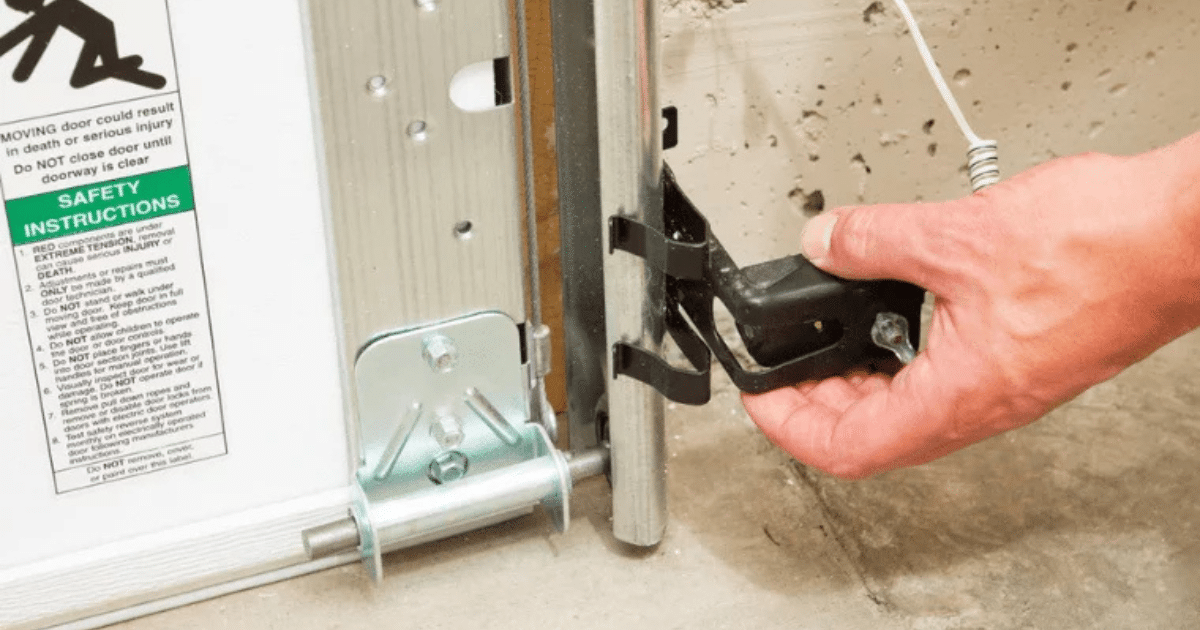
3. The Safety Sensors Got Knocked Out of Alignment
Every garage door opener installed after 1993 is required by federal law to have photo-eye safety sensors. These are the two small devices mounted near the bottom of the door tracks on either side. They send an invisible beam of light between them and if anything breaks that beam, the door will not close.
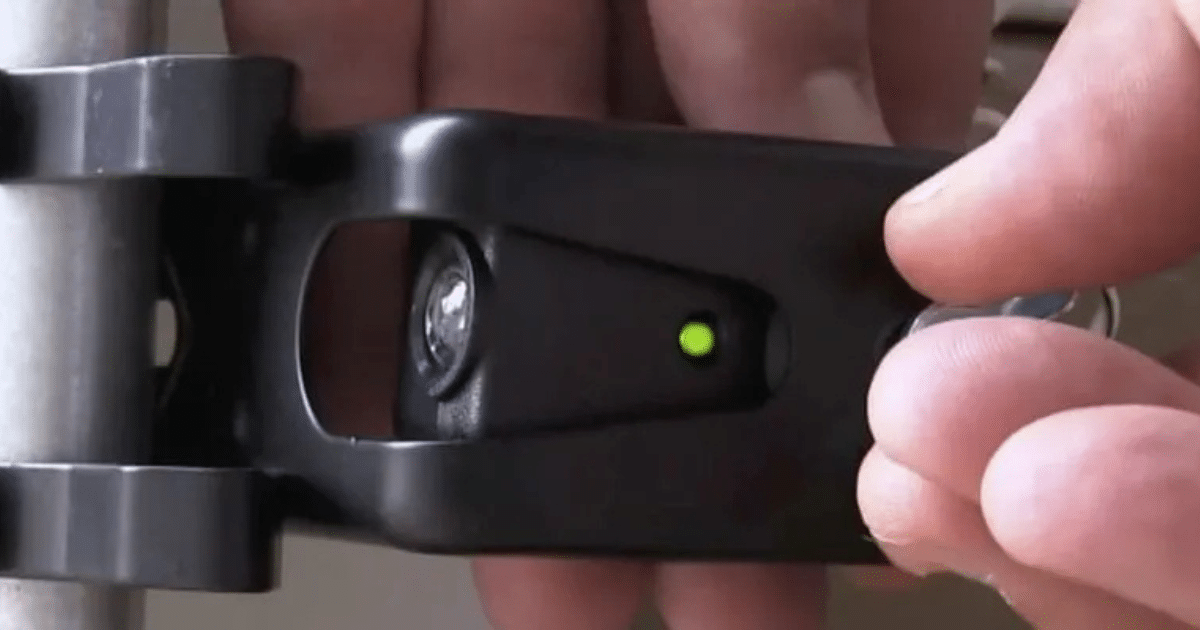
A power surge can cause these sensors to malfunction or lose their alignment. When that happens, the opener might open the door but refuse to close it, or the opener light might blink several times as a warning signal.
Check the small LED lights on each sensor. On most models, one sensor has a green light and the other has an amber or red light. Both should be solid and steady. If one of them is blinking, the sensors are likely out of alignment or one of them lost power.
Pro Tip: Never try to bypass or disconnect the safety sensors to get the door working. These sensors exist to prevent the door from closing on a person, a child, or a pet. If the sensors seem damaged, a garage door professional in San Antonio can replace or realign them safely.
4. The Remote Control Lost Its Programming
Garage door remotes communicate with the opener through a stored code. When a power surge hits the opener, it can wipe the memory where those codes are saved. The result is that the remote clicks but the opener does not respond at all.
A quick way to test this is to press the hardwired wall button inside the garage. If the wall button works but the remote does not, the issue is almost certainly a lost code rather than a mechanical or electrical failure.
Most remotes can be reprogrammed by pressing the “learn” button on the opener unit and then pressing the button on the remote within 30 seconds. The exact steps vary by brand, so checking the owner’s manual or searching the model number online will provide the right instructions.
Pro Tip: If multiple remotes and the keypad all stopped working at the same time, that is a strong sign that the opener’s memory was cleared by the power surge. Reprogramming each device one at a time should restore full functionality.
5. A Power Surge Damaged the Logic Board
This is the most common serious problem that follows a power outage. The logic board, which is the main circuit board inside the opener, can sustain damage from a voltage spike. When this board fails, the opener typically goes completely dead. No lights, no sounds, no response from any button or remote.
San Antonio homeowners in older neighborhoods or in areas that experience frequent power fluctuations see this issue more often. Homes without surge protection are especially at risk.
A damaged logic board is not something most homeowners should attempt to replace on their own. A qualified garage door technician can test the board, determine if it is repairable and source the correct replacement part.
Pro Tip: Installing a dedicated surge protector on the garage outlet is one of the most effective ways to prevent this kind of damage. It is a small investment that can save hundreds of dollars in repairs.
6. The Opener Is Stuck in Manual Mode
During a power outage, many homeowners pull the emergency release cord to operate the garage door manually. This red handle, usually hanging from the opener’s rail, disconnects the door from the motorized trolley so the door can be lifted by hand.
The problem comes after the power returns. If the emergency release was activated, the opener will not re-engage the door automatically. The motor might run, but the door will not move because the trolley is disconnected.
To fix this, pull the emergency release handle back toward the opener motor (usually toward the back of the garage). Then press the wall button or remote. The trolley should reconnect and the opener should resume normal operation.
Pro Tip: Never force the trolley back into position by hand. If it does not re-engage smoothly, the track or trolley mechanism may need professional attention. Forcing it can cause further damage to the opener system.
7. The Motor or Start Capacitor Burned Out
In more severe cases, a power surge can burn out the opener’s motor or its start capacitor. The start capacitor is the component that gives the motor the initial jolt of energy it needs to begin turning. When it fails, the motor may hum or buzz but the door will not move.
If the opener makes a humming noise when activated but the door stays put, or if there is any kind of burning smell coming from the unit, stop using it immediately. Unplug the opener and do not attempt to operate it again until a professional has inspected it.
Motor or capacitor failure usually means the opener either needs a significant repair or a full replacement.
Pro Tip: If the opener is more than 10 to 15 years old and the motor burns out, replacing the entire unit is often more cost-effective than repairing it. Newer models also come with improved safety features, battery backup options and smart home compatibility.
5 Tips to Protect Your Garage Door Opener from Future Power Outages
Dealing with a non-working garage door opener after an outage is frustrating, but there are some practical steps that can reduce the chances of it happening again.
- Install a Surge Protector on the Garage Outlet: A dedicated surge protector plugged into the outlet where the opener connects is one of the easiest and most affordable forms of protection. It absorbs voltage spikes before they reach the opener’s circuit board. This is especially important for homes in parts of San Antonio that experience frequent power fluctuations.
- Consider an Opener with Battery Backup: Many newer garage door opener models from brands like LiftMaster and Chamberlain come with built-in battery backup systems. These allow the opener to continue functioning during an outage, eliminating the need to use the manual release cord. For San Antonio homeowners who deal with regular storm-season outages, this feature can be a real game-changer.
- Schedule Annual Professional Garage Door Maintenance: A yearly tune-up from a licensed garage door technician can catch small problems before they turn into expensive repairs. During a garage door maintenance visit, the technician will inspect wiring connections, test safety sensors, lubricate moving parts and check the overall health of the opener system. Consistent garage door maintenance is one of the best ways to avoid unexpected failures after a power outage.
- Know Where the Emergency Release Is and How It Works: Every homeowner should know how to operate the emergency release before an outage happens. Trying to figure it out in the dark during a storm is stressful and can lead to mistakes that make the situation worse. Practice disengaging and re-engaging the release during normal conditions.
- Look Into a Whole-Home Surge Protector: For homes in areas of San Antonio that are prone to frequent outages or lightning strikes, a whole-home surge protector installed at the electrical panel provides a broader layer of defense. It protects not just the garage door opener but every appliance and electronic device in the house.

When to Call a Garage Door Professional in San Antonio
Not every garage door opener issue after a power outage requires a service call. If the breaker reset works, or if unplugging and replugging the opener brings it back to life, there is no need to call anyone. But some signs should prompt a call to a licensed garage door company right away.
If the opener produces no response at all after resetting, if there is a burning smell or visible scorch marks on the unit, if the garage door slams down instead of closing smoothly, or if the circuit breaker keeps tripping after being reset, those are all red flags that point to a problem beyond basic garage door troubleshooting.
When choosing a garage door repair company in San Antonio, look for one that is licensed, insured and has strong reviews from local customers. Avoid hiring a general handyman for garage door work. Garage doors are heavy, operate under high spring tension and require specialized knowledge to repair safely. A qualified garage door technician will diagnose the exact issue, explain the options and get the door working again without creating new problems.
Keeping the Garage Door Running Through San Antonio Storm Season
Power outages are a reality of living in San Antonio, especially during the hotter months when storms are frequent and the electrical grid is under heavy demand. A garage door opener that stops working after an outage is inconvenient, but in most cases, the cause is identifiable and fixable.
Starting with the basics like checking the breaker, resetting the opener and inspecting the safety sensors can resolve the majority of issues without any professional help. For more serious problems like a damaged logic board or a burned-out motor, a trusted local garage door company can handle the repair efficiently. In some cases, repeated power surges can also cause physical damage to the door itself, which may lead to the need for a garage door panel replacement down the line.
Taking a few preventive steps now, like installing a surge protector or scheduling routine maintenance, can save a lot of hassle down the road. The garage door is the largest moving part of any home and keeping its opener in good working order is worth the small effort it takes.
Need Professional Garage Door Repair in San Antonio?
When the troubleshooting steps above are not enough to get things running again, Lincoln Garage Doors LLC is here to help. As a trusted, locally owned garage door company serving San Antonio and the surrounding areas, we bring hands-on experience with every major opener brand and have helped countless homeowners get back on track after storm-related failures. From logic board replacements to full opener installations, our team delivers fast, reliable service with upfront pricing and no guesswork. Contact us today or give us a call to schedule a diagnostic visit or request a free estimate.