Standing in a San Antonio driveway, pressing the garage door remote over and over with zero response, is one of the most frustrating experiences a homeowner can have. It happens to thousands of people across Alamo Heights, Stone Oak and the entire Greater San Antonio area every year, especially during the brutal summer months when extreme heat takes a serious toll on garage door opener components.
So, can a dead battery actually cause a garage door opener to stop working? The short answer is yes and it happens far more often than most people expect. But before assuming the worst or scheduling an expensive garage door opener repair, it is worth understanding exactly what is going on, what to check first and when calling a professional makes sense.
This guide breaks down seven key things every San Antonio homeowner should know about dead batteries and garage door openers.

A Dead Battery Can Absolutely Stop a Garage Door Opener From Working
A garage door system relies on batteries in more places than most homeowners realize. The remote control kept in the car, the wall-mounted keypad outside the garage and in many newer models, a backup battery inside the opener unit itself all need adequate power to function properly.
When any one of these batteries dies, the entire system can appear to have failed. The motor might be in perfect condition, the springs could be properly tensioned and the tracks might be fully aligned. But if the signal cannot travel from the remote to the opener because of a dead battery, nothing is going to happen.
Understanding how batteries affect a garage door system is one of the smartest and most cost-effective things any homeowner can learn.
For a deeper look at other common causes beyond dead batteries, check out the full guide on “Why Is My Garage Door Opener Not Working?”
The Three Batteries in a Garage Door System Every Homeowner Should Know About
Most people only think about the remote control battery when troubleshooting a garage door problem. In reality, there are up to three different batteries that could be causing the opener to malfunction.
Remote Control Battery
This is the small battery, typically a CR2032 or similar lithium coin cell, located inside the handheld remote that stays clipped to the car visor or kept on a keychain. When this battery dies, pressing the button produces absolutely no response. There is no clicking sound from the opener and no movement at all. In the San Antonio heat, these batteries tend to drain faster than the manufacturer’s estimated lifespan because extreme temperatures accelerate battery degradation.
Wall-Mounted Keypad Battery
The keypad mounted on the exterior wall of the garage typically runs on a 9V battery or AA batteries, depending on the brand and model. If the code is being entered correctly and nothing happens, this is one of the very first things to check. San Antonio homeowners frequently overlook this component because the keypad looks like it should be hardwired to the home’s electrical system. However, most garage door keypads are entirely battery-powered.
Backup Battery Inside the Opener Unit
Many modern garage door openers from leading brands like LiftMaster, Chamberlain and Genie come equipped with a built-in backup battery. This battery is designed to kick in during power outages, which tend to happen more often than anyone would like here in San Antonio during storm season and periods of high electrical demand. When this backup battery dies or loses its charge, the opener may start beeping, display a flashing LED light, or refuse to operate altogether, even when the home has full electrical power.
If a recent power outage caused the problem, read more about it in “Is Your Garage Door Opener Not Working After a Power Outage?”
How to Tell If a Dead Battery Is Actually the Problem
Before picking up the phone and calling a garage door technician, there are several quick checks any homeowner can run to determine whether a dead battery is the actual culprit. These simple tests can save both time and money.
Start by Testing the Remote
The easiest test is pressing the wall-mounted button inside the garage. If the door opens when using the wall button but does not respond to the remote, the remote battery is almost certainly dead. That single test narrows down the problem instantly.
Look for Warning Signs on the Opener Unit
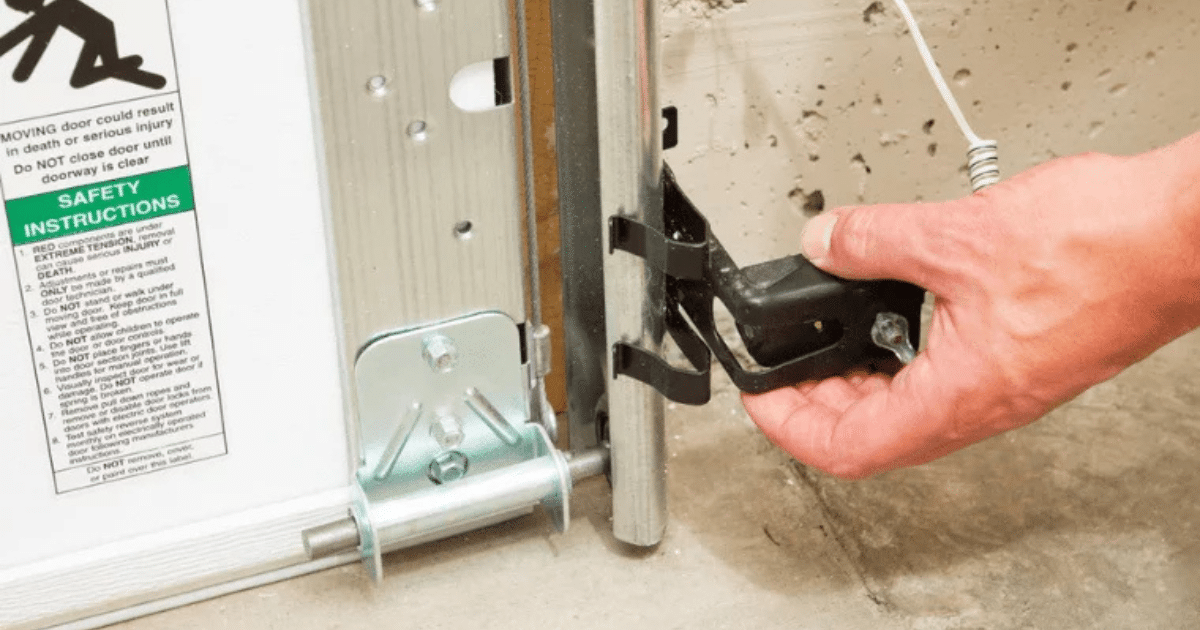
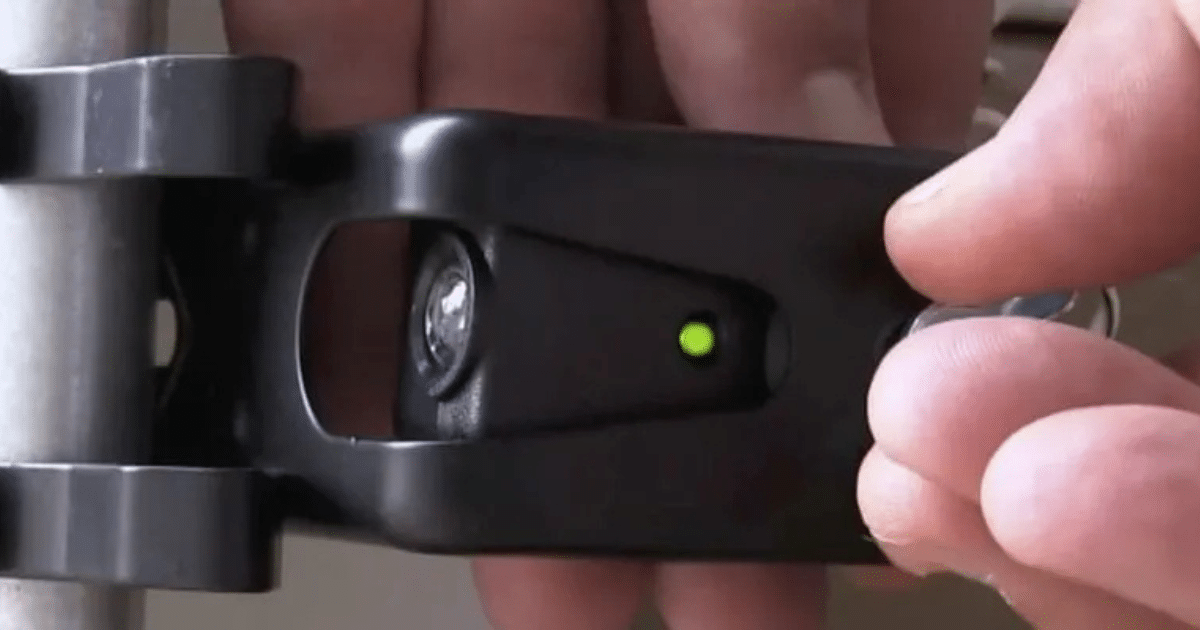
Most modern garage door openers provide a warning when the backup battery is failing. Look for a solid or flashing orange or amber LED light on the unit mounted to the ceiling. Some models will also beep at regular intervals. LiftMaster and Chamberlain openers typically have a dedicated battery status indicator light that makes it easy to identify the problem.
Test the Exterior Keypad
If entering the access code on the exterior keypad produces no backlight and no response from the opener, the keypad battery has likely run out. Always try replacing the keypad battery before assuming the keypad itself has malfunctioned. A fresh battery solves the issue in the majority of cases.
Consider Recent Power Outages
San Antonio residents know that CPS Energy outages can affect homes without much warning. If the power went out recently and the garage door opener is now acting strangely, whether it is beeping, running at a slower speed, or failing to respond entirely, the backup battery may have been completely drained during the outage. In some cases, the battery will not recharge properly on its own and it may need to be replaced.
If the wall button is also unresponsive after a power outage, learn more in “Why Is My Garage Door Opener Not Working With the Wall Button?”
What to Do After Identifying a Dead Battery
Once the problem has been narrowed down to a dead battery, the next steps are fairly straightforward. These are general guidelines, not a full do-it-yourself repair tutorial. For anything beyond a basic battery swap, consulting with a qualified garage door technician in the San Antonio area is always the safest choice.
Replacing a Remote Control Battery
Most garage door remotes have a small panel on the back that slides or pops open to reveal the battery compartment. The battery type is usually printed on the old battery itself or stamped inside the compartment. Pop in the new battery, close the panel and test the remote.
Replacing a Keypad Battery
The exterior keypad typically has a battery compartment accessible from the back or bottom of the unit. After swapping in fresh batteries and testing the access code, everything should return to normal. If the keypad still does not respond after the battery replacement, the unit may need to be reprogrammed. The owner’s manual will contain the reprogramming steps, or a local garage door technician can handle it quickly during a service visit.
Replacing a Backup Battery in the Opener Unit
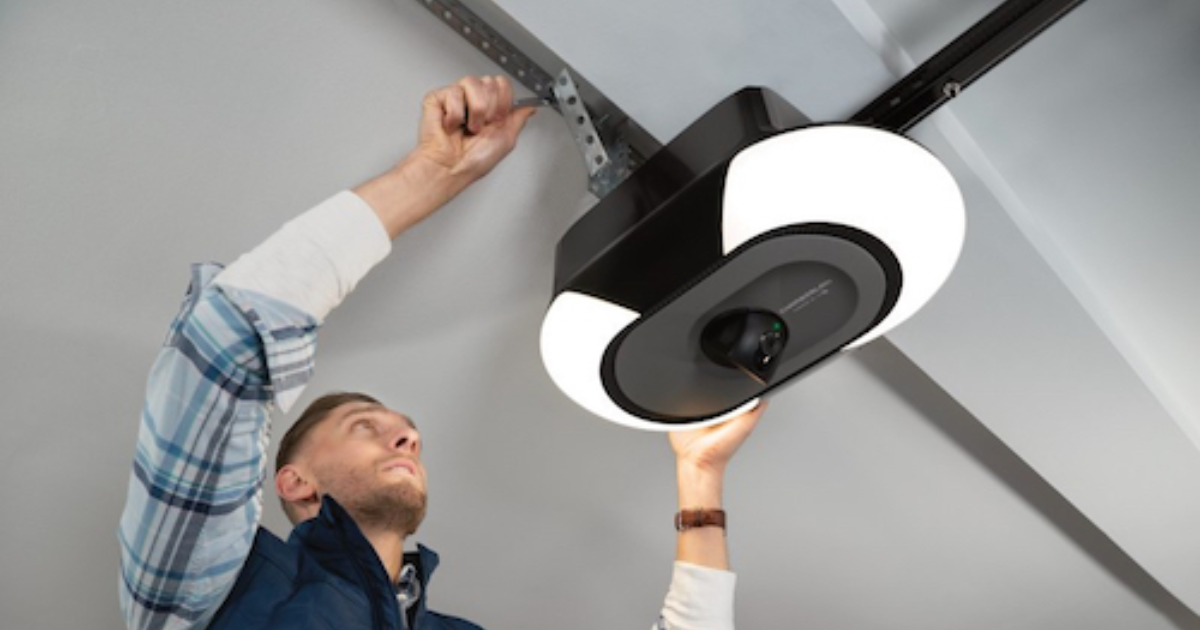
This is where a bit more caution is warranted. Backup batteries inside the opener unit are often proprietary to the specific brand and model. Homeowners who are not comfortable climbing a ladder and accessing the opener unit mounted on the garage ceiling should leave this task to a professional garage door service in San Antonio. Safety always comes first.
Other Problems That Mimic a Dead Battery
One important lesson from years of experience in the garage door industry is that what appears to be a dead battery issue is sometimes caused by something else entirely. Before purchasing a pack of batteries, it is worth considering these other common culprits.
Misaligned safety sensors positioned near the bottom of the garage door tracks can prevent the door from closing. Homeowners often mistake this for a complete opener malfunction. A tripped GFCI outlet in the garage can cut power to the opener, making it appear completely dead even though the issue has nothing to do with batteries. Broken gear or sprocket assemblies inside the motor unit can cause the opener to hum or click without actually moving the door. Stripped or worn drive belts and chains can produce frustratingly similar symptoms as well.
If all the batteries have been replaced and the garage door still is not working, something mechanical or electrical is likely going on behind the scenes. At that point, having a qualified professional come out for a proper inspection is the right call. Garage door systems involve heavy torsion springs and high-tension components that can be extremely dangerous to work on without proper training and specialized tools.
Practical Tips to Prevent Dead Battery Problems in the Future
Living in San Antonio means a garage door system has to endure extreme heat, occasional severe thunderstorms and humidity levels that can all affect battery performance and lifespan. Staying on top of routine garage door maintenance is the best way to avoid unexpected problems. Here are some practical tips to help stay ahead of the problem before it leaves someone stranded outside the garage.
Replace Batteries on a Schedule, Not When They Die
The best approach is to replace remote and keypad batteries proactively once a year, even if they still appear to be working fine. San Antonio’s summer heat, which regularly pushes past 100 degrees Fahrenheit, shortens battery life significantly compared to what is printed on the packaging. Setting a reminder to swap batteries at the same time every year, perhaps when changing smoke detector batteries, is a simple garage door maintenance habit that prevents unexpected failures.
Store Spare Batteries Properly
Keep spare batteries inside the home in a cool, dry location. Storing batteries in the garage or inside a parked car exposes them to the same extreme heat that drains the batteries already in the devices. A kitchen junk drawer or a hallway closet is a much better storage spot in a San Antonio home.
Monitor the Backup Battery Indicator
If the garage door opener has a built-in backup battery, make a habit of checking the status indicator light at least once a month. Most backup batteries last between one and three years, depending on how frequently they have been called upon during power outages. Catching a low battery early avoids the surprise of a non-functional opener on a busy morning.
Schedule Annual Garage Door Maintenance
Scheduling an annual garage door maintenance appointment with a qualified San Antonio garage door company is one of the best investments a homeowner can make. During a routine tune-up, a technician will inspect the battery status along with springs, cables, rollers, tracks and safety sensors to make sure everything is in proper working order.
When to Call a Garage Door Professional in San Antonio
Trying the simple fixes first is always a smart approach. Swap out the batteries, test the wall button, inspect the sensors. But there are clear situations where calling a licensed garage door professional is the safest and most effective option.
If all the batteries have been replaced and the opener still does not respond, professional diagnosis is needed. If the garage door is producing unusual grinding, scraping, or popping noises, that points to a mechanical issue, not a battery problem. If the door opens partway and then reverses back down, the safety sensors or springs likely need professional attention. And if the backup battery keeps dying well before its expected lifespan, there could be an electrical issue within the charger circuit of the opener unit that only a trained technician can properly diagnose and repair.
Garage doors are the single largest moving component of any home and they can weigh anywhere from 130 to over 400 pounds depending on the size and material. Attempting repairs without the right experience, tools and safety knowledge can result in serious injury. There are plenty of reputable and experienced garage door companies serving San Antonio, Schertz, New Braunfels, Helotes, Converse and the surrounding Hill Country communities. Reaching out to a trusted local professional is always the right call when the problem goes beyond a basic battery replacement.
Keep the Garage Door Working by Staying Ahead of Battery Problems
A dead battery remains one of the most common and most easily fixable reasons a garage door opener stops working. Before assuming the problem is something major or costly, like a full garage door panel replacement, checking the remote, keypad and backup battery should always be the first step. In many cases, a quick battery swap is all it takes to get everything running smoothly again.
However, when the problem extends beyond a simple battery replacement, bringing in a qualified professional is the safest path forward. Garage door systems involve heavy components under high tension and working on them without proper expertise carries real risk.
A small amount of preventive maintenance goes a very long way. Replacing batteries on a regular schedule, monitoring backup battery indicator lights and investing in an annual tune-up with a trusted San Antonio garage door company can prevent most of these headaches before they start. The garage door is one of those things most people take for granted until it stops working. A little attention now can save a lot of frustration and expense down the road.
Need Expert Garage Door Service in San Antonio? Get Help Today
For San Antonio homeowners who need reliable, professional garage door service, Lincoln Garage Doors LLC is here to help. With years of hands-on experience serving the Greater San Antonio area, our team specializes in garage door opener repair, battery replacement, routine maintenance and everything in between. Whether the issue is a simple dead battery or something more complex, we deliver honest assessments and dependable solutions that keep homes running safely and smoothly. Contact us today or give us a call to schedule a service appointment or request a free consultation.