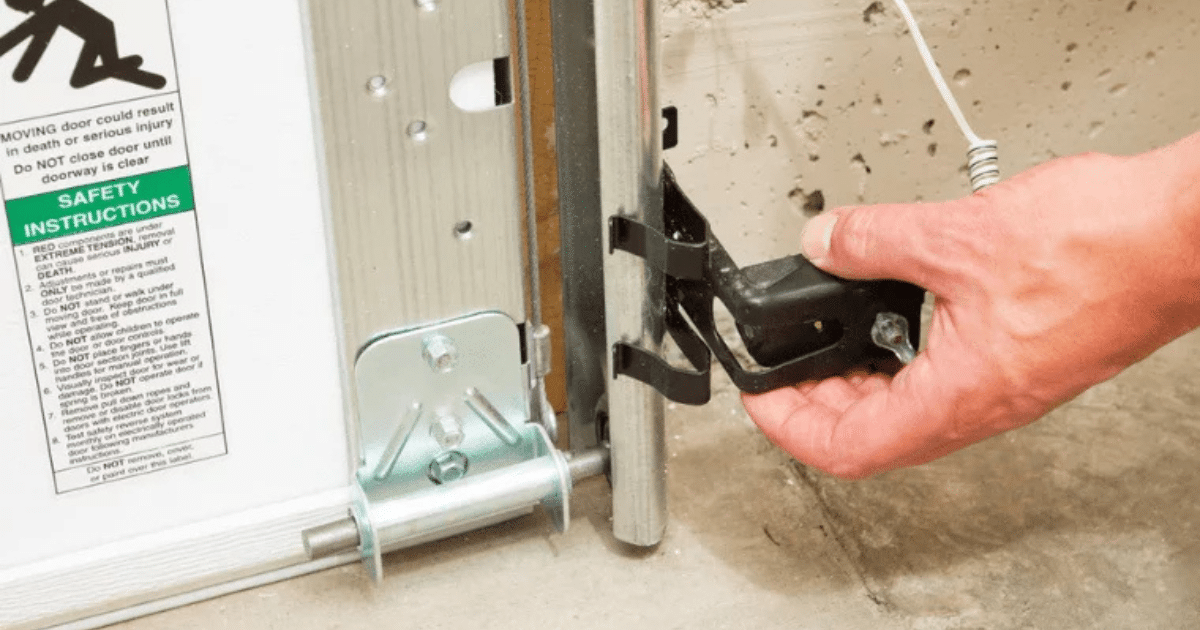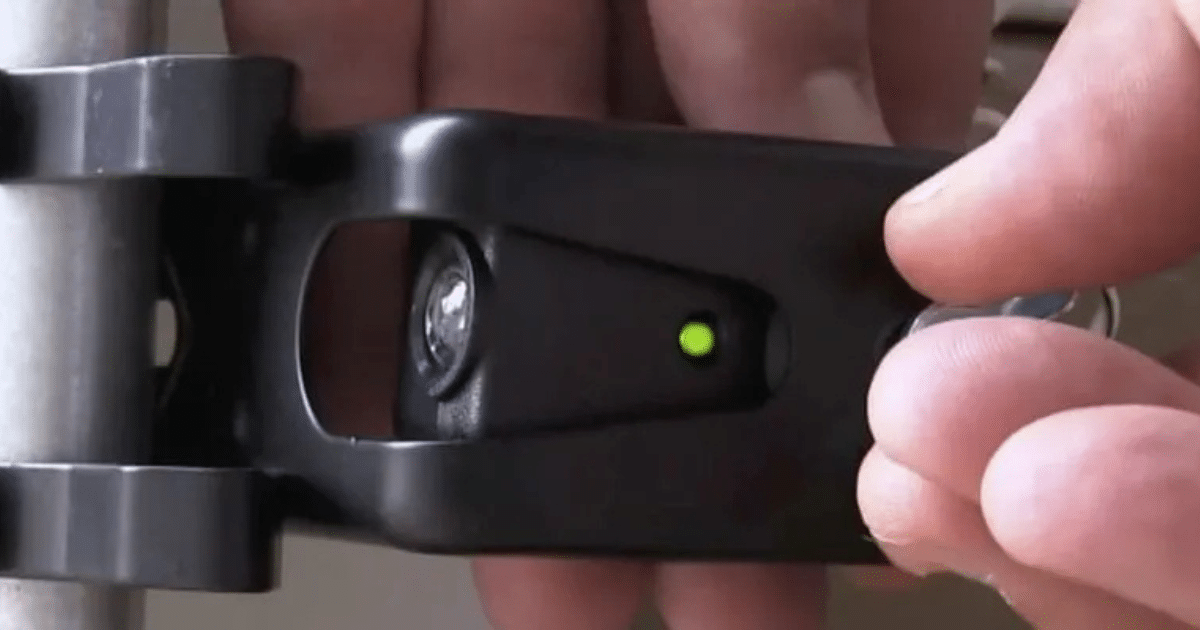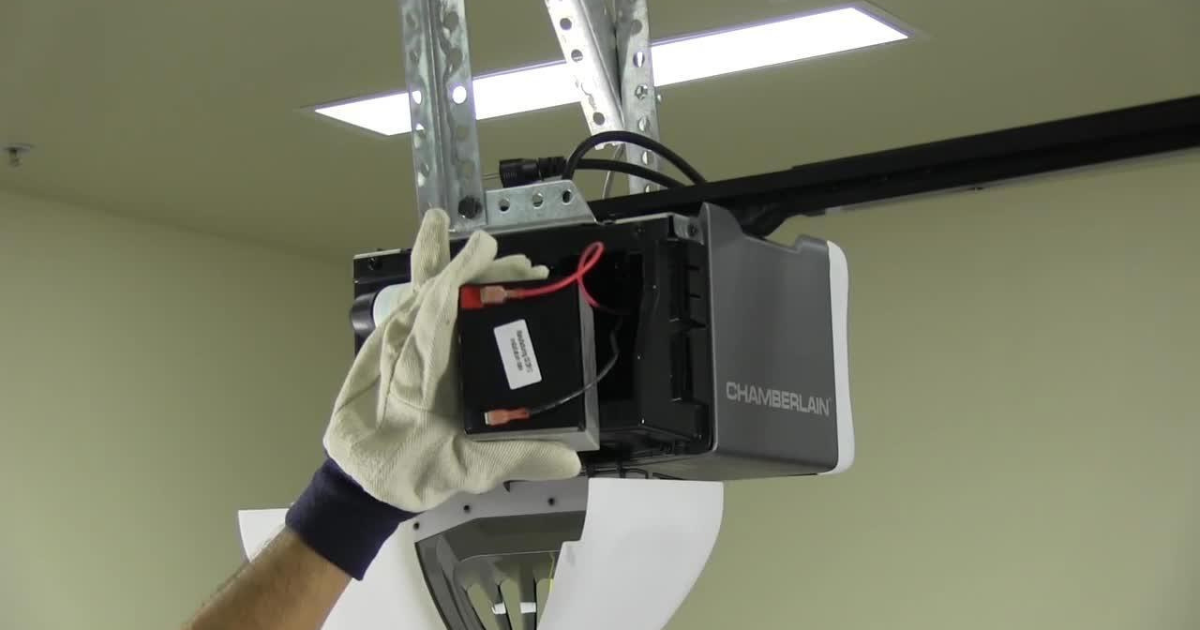
Picture this. It is a hot San Antonio morning, already pushing 95 degrees before noon and the garage door opener refuses to budge after pressing the wall button. The remote on the car visor works just fine, but the hardwired button on the garage wall? Nothing. No click, no hum, no movement at all.
This is one of the most common garage door opener complaints homeowners across San Antonio deal with, from neighborhoods like Alamo Ranch and Stone Oak to older homes near downtown. The good news is that the problem usually comes down to a short list of causes and most of them are more straightforward than people expect.
This guide breaks down the most common reasons a garage door opener stops responding to the wall button, what homeowners can check on their own and when it makes sense to bring in a professional. Every tip here comes from real-world experience servicing garage door opener systems in the San Antonio area, where the heat, humidity and storm seasons create unique challenges for garage door systems.

How Does a Garage Door Wall Button Actually Work?
Before jumping into the list, it helps to understand what the wall button does. Unlike a garage door remote, which sends a wireless radio signal to the opener, the wall button is hardwired directly to the opener unit on the ceiling. Two low-voltage wires run from the back of the button up to terminals on the opener motor.
When the button gets pressed, it completes an electrical circuit that tells the opener to activate. It is a simple system, but that simplicity also means a handful of things can go wrong along the way. Knowing this difference between the wall button and the remote is the first step in narrowing down where the problem actually is.
For a broader look at all the reasons an opener might stop responding, check out the full guide on “Why Is My Garage Door Opener Not Working?”
8 Common Reasons the Garage Door Wall Button Stops Working
1. The Wall Button Itself Is Worn Out or Damaged
Wall buttons are not built to last forever. Over time, the internal contacts wear down, the plastic housing cracks, or the small circuit board inside stops functioning. In San Antonio, the intense summer heat inside an un-air-conditioned garage speeds up this wear significantly.
Look closely at the button. Is the housing cracked or discolored? Does the LED indicator light still turn on? When pressing the button, does it feel mushy or unresponsive compared to how it used to feel? Any of these signs can point to a button that has simply reached the end of its lifespan.
Tip: Before assuming the opener motor is broken, always inspect the wall button first. It is the cheapest and easiest component to rule out.
If the wall button stopped working right after a recent outage, the guide on “Is Your Garage Door Opener Not Working After a Power Outage?” covers that specific scenario in detail.
2. Loose or Disconnected Wiring
The two small wires connecting the wall button to the opener can loosen over time. Vibration from the door opening and closing, temperature fluctuations in a San Antonio garage and even settling of the home can cause wires to slip out of their terminals.
This is especially common in older San Antonio homes where the original garage door installation may be 15 or 20 years old. The wire connections at either end, both behind the button and at the opener unit on the ceiling, are the most likely spots for a loose connection.
Tip: Take a look at the wires where they connect to the back of the button and where they attach to the opener unit. If anything looks loose or disconnected, that is likely the culprit. However, avoid handling wiring without proper knowledge, as even low-voltage systems deserve caution.
If the remote control is also unresponsive, the issue might not be wiring at all. Learn more in “Can a Dead Battery Cause a Garage Door Opener Not Working?”
3. A Short Circuit in the Wiring
Sometimes the issue is not a loose wire but a damaged one. If the low-voltage wires running between the button and the opener are pinched, frayed, or have their insulation stripped, they can create a short circuit. This is common when wires are stapled along walls and ceiling joists, which is the typical installation method.
A short circuit can cause odd behavior. The opener light might blink continuously, the unit might click without moving the door, or the wall button might seem completely dead. In San Antonio garages where rodents sometimes nest during cooler months, chewed wires are another frequent cause of shorts.
Tip: If the opener is behaving erratically rather than simply not responding, a wiring short is a strong possibility. Visually trace the wire path from the button to the opener and look for obvious damage. Anything beyond a visual check should be left to a qualified technician.
4. The Opener’s Logic Board Has Failed
The logic board, sometimes called the circuit board, is the brain of the garage door opener. It processes signals from both the wall button and the remote. When this board fails, the opener can stop responding to one or both controls.
Power surges are a leading cause of logic board failure and San Antonio homeowners know how common electrical surges can be during the spring and summer storm seasons. A single lightning strike or power fluctuation can fry the board without any visible damage on the outside of the unit.
Tip: If neither the wall button nor the remote control activates the opener, the logic board is a strong suspect. Replacing a logic board is not a typical DIY project. The average cost for a professional diagnosis and board replacement is reasonable enough that most homeowners find it worthwhile to call a technician rather than risk further damage.
5. The Lock Mode Is Accidentally Engaged
Many modern garage door openers have a lock or vacation mode built into the wall console. When activated, this feature is designed to disable remote controls for security purposes, such as when a homeowner goes on vacation. However, it can sometimes get activated by accident, especially if someone bumps the console or a child presses the wrong button.
On most wall consoles, an indicator light or a small lock icon will illuminate when lock mode is active. Some models disable only the remotes, while others can affect the overall operation of the system.
Tip: Check the wall console for any lit lock symbol or indicator. The owner’s manual will explain how to deactivate lock mode, which usually involves holding a specific button for a few seconds.
6. Power Issues With the Opener Unit
Sometimes the simplest explanation is the right one. The garage door opener might not have power. A tripped circuit breaker, an unplugged power cord, or a blown outlet can all cause the opener to go completely dead.
In San Antonio, where summer air conditioning demand puts heavy strain on electrical systems, tripped breakers are more common than many homeowners realize. The garage outlet is often on a shared circuit with other areas of the home, making it vulnerable during peak usage.
Tip: Check whether the opener’s ceiling light is on. If not, verify the outlet has power by plugging in another device. Then check the home’s electrical panel for any tripped breakers. This quick check can save the time and expense of calling for a service visit.
7. The Wall Button Needs to Be Reprogrammed
Some newer garage door wall consoles, particularly smart or multi-function models, can lose their programming after a power outage. When the opener loses power and then regains it, the wall console may need to be synced or reprogrammed to communicate properly with the opener unit.
This is more common with brands that use digital wall consoles with LCD screens or multiple function buttons. Basic single-button wall controls rarely have this issue since they rely on a simple wired connection rather than digital communication.
Tip: If the wall button stopped working right after a power outage or surge, reprogramming may be needed. The opener’s manual will have specific steps for the model in question. When in doubt, a local San Antonio garage door technician can handle the reprogramming quickly.
8. Incompatible or Faulty Replacement Button
Not all garage door wall buttons are universal. If the wall button was recently replaced, the new one might not be compatible with the opener model. Even buttons from the same brand can have compatibility issues if the model generation does not match.
Using an off-brand or generic replacement button can also cause problems. While some universal buttons work well, others fail to communicate properly with certain opener models, leading to intermittent or complete failure.
Tip: Always match the replacement wall button to the specific brand and model of the garage door opener. The model number is usually printed on a label on the back or side of the opener unit. When purchasing a replacement, bring the old button along or take a photo of the model information to ensure a proper match.
What to Check Before Calling a Technician
Before picking up the phone, there are a few quick things any homeowner can check. Running through this short list can sometimes reveal a simple fix and save a service call.
- Is the garage door opener plugged in and receiving power? Check the outlet and the circuit breaker.
- Is the LED light on the wall button illuminated? If not, the button itself may be dead.
- Are the wires visibly connected at both the wall button and the opener unit on the ceiling?
- Does the garage door respond to the remote control? If the remote works but the wall button does not, the problem is isolated to the button or its wiring.
- Is the lock or vacation mode turned off on the wall console?
- Has there been a recent power outage, storm, or electrical surge in the San Antonio area?
If the answer to all of these checks looks normal and the wall button still does not work, it is time to call a professional.

When to Call a Garage Door Professional in San Antonio
Some garage door wall button issues are easy to spot but not so easy to fix safely. Anything involving wiring repairs, logic board replacement, or motor diagnostics should be handled by a licensed and insured garage door technician.
Garage door systems involve heavy components under significant spring tension, along with electrical wiring that can be hazardous if mishandled. The risk of injury or causing further damage to the system is real, which is why most manufacturers recommend professional service for anything beyond basic troubleshooting.
San Antonio homeowners benefit from working with technicians who understand the local conditions. The extreme summer heat, seasonal storms and high humidity levels in south-central Texas put added stress on garage door components that technicians in other parts of the country may not see as often. A garage door professional who regularly services homes from the Medical Center to Schertz will be familiar with these regional wear patterns.
Getting a professional inspection when the wall button fails can also uncover other developing issues, such as worn springs, misaligned sensors, or an aging opener motor, before they turn into bigger and more expensive problems. Routine garage door maintenance is the best way to catch these issues early and keep the entire system running safely for years to come.
Tips to Prevent Wall Button Problems in the Future
A little prevention goes a long way when it comes to keeping the garage door wall button and opener system running smoothly. Here are a few habits that can help San Antonio homeowners avoid unexpected garage door failures.
- Schedule annual garage door maintenance with a qualified technician. A yearly tune-up can catch wiring issues, worn components and electrical problems before they cause a complete failure.
- Use a surge protector for the garage door opener. Given the frequency of storms and power fluctuations in the San Antonio area, a quality surge protector can prevent costly logic board damage.
- Keep an eye on the wire path between the wall button and the opener. Make sure wires are not pinched, exposed, or in areas where they could be damaged by stored items in the garage door area.
- Replace aging wall consoles proactively. If the garage door wall button is more than 10 to 15 years old and starting to feel less responsive, replacing it before it fails completely avoids the inconvenience of a door that will not open when needed.
- Maintain airflow and ventilation in the garage. San Antonio’s humidity accelerates wear on electrical components. A well-ventilated garage keeps temperatures and moisture levels more manageable for the opener system.
Keep the Wall Button Working and the Garage Door Moving
A garage door wall button that stops working is frustrating, but it is rarely a mystery. In most cases, the problem comes down to a worn-out button, a loose wire, a power issue, or a failed logic board. Sometimes a full garage door panel replacement may even be necessary if the console housing is severely damaged. San Antonio homeowners deal with added challenges from the local climate, but the upside is that these are all well-understood issues with proven solutions.
Start with the simple checks: power, wiring connections and the lock mode. If those look fine and the button still is not responding, the next step is to contact a licensed garage door technician in the San Antonio area. A qualified professional can diagnose the exact cause, recommend the right fix and make sure the entire system is operating safely.
Keeping up with annual maintenance and using a surge protector are two of the best things any homeowner can do to prevent wall button failures down the road. A small investment in prevention today can save a lot of hassle tomorrow.
San Antonio’s Trusted Garage Door Experts Are Just a Call Away
For San Antonio homeowners looking for fast, reliable garage door service, Lincoln Garage Doors LLC has been a trusted name in the community. With experienced technicians who understand the unique demands of the local climate, we provide honest diagnostics, quality repairs and the kind of customer care that keeps families coming back. Whether the issue is a faulty wall button, a broken opener, or a full system tune-up, our team is ready to help. Contact us today or give us a call to schedule an inspection and get that garage door back on track.