Not every dent means disaster. But not every dent is harmless either. That is the reality when it comes to garage door panel damage, and it is something San Antonio homeowners deal with more often than they might expect. Between the intense Texas heat, UV exposure, summer hailstorms, and the daily wear that comes from using the garage as the main entry point, panels take a beating year-round.
The big question most homeowners ask is simple: how bad does the damage have to be before something needs to be done about it? This guide breaks that down into clear, honest answers, including what to look for, when to repair, when a panel replacement is the smarter move, and how to protect the door going forward.
Why Garage Door Panel Damage Is a Bigger Deal Than It Looks

A damaged panel is easy to dismiss, especially if the door still opens and closes. But ignoring panel damage can lead to bigger problems over time.
Damaged panels can:
- Weaken the overall structural integrity of the door
- Reduce insulation efficiency, which matters a lot during San Antonio summers when cooling costs are already high
- Create security gaps that make the door easier to force open
- Put extra strain on springs, cables, and the opener motor
- Lower the home’s curb appeal and resale value
Understanding the level of damage is the first step to making the right call.
For a closer look at what happens when impact damage goes unaddressed, check out Can a Bent Garage Door Panel Be Fixed or Replaced?
7 Levels of Garage Door Panel Damage

Level 1: Surface Scuffs and Paint Chips
Damage Type: Cosmetic Only
Small scuffs, minor scratches, or paint chips do not affect how the door operates. These are purely visual issues and are very common, especially on steel doors in older San Antonio neighborhoods.
What to check: Run a hand over the surface. If the panel feels flat and solid underneath the scuff, there is no structural concern. However, check closely for rust forming around the chip. On steel doors, once the paint barrier breaks, rust can spread fast in humid Texas conditions.
Prevention tip: Touch up paint chips as soon as they appear. A small can of matching touch-up paint stops rust before it gets a chance to spread.
Curious about how damage to just one panel can affect the rest of the door? Read Does One Bent Garage Door Panel Affect the Whole Door?
Level 2: Fading or Sun Discoloration
Damage Type: Cosmetic Only
San Antonio sees over 220 sunny days a year. That level of UV exposure causes garage door panels to fade, chalk, or develop an uneven tone over time. On older fiberglass doors, heavy UV damage can eventually cause surface brittleness.
What to check: See if one panel looks noticeably different from the others. Uneven fading sometimes means a replacement panel was installed at a different time. Also check whether the material itself feels brittle or chalky when touched.
Prevention tip: Lighter colored doors hold up better under intense sun and reflect heat more effectively. This is worth considering during a replacement or repaint.
Panel damage is not always just a cosmetic concern. Find out how it can become a serious risk in Can a Damaged Garage Door Panel Cause Safety Issues?
Level 3: Small to Medium Dents
Damage Type: Minor Structural Concern
This is where most homeowners land. Backed-in vehicles, bikes, trash cans, and sports equipment are the usual suspects. Small dents in the golf ball to baseball size range can sometimes be repaired depending on the material and depth.
What to check:
- Steel doors: Shallow rounded dents may be repairable. If the steel has a hard crease or fold line, the panel has lost structural strength and repair becomes less effective.
- Wood doors: Wood does not pop back into shape. Dents typically require filler and repainting at minimum.
- Aluminum doors: These dent easily and can sometimes be straightened, but aluminum is also prone to cracking when bent back.
Prevention tip: Avoid hammering out dents as a DIY fix. Improper attempts can throw off panel alignment and affect how the door tracks.
Level 4: Deep Dents or Bent Panels
Damage Type: Moderate Structural Damage
When a dent is deep enough to visibly distort the panel shape, especially near the edges or along the horizontal reinforcement bars, a full panel replacement is likely the better option.
What to check: Open and close the door and listen carefully. Grinding, scraping, or hesitation during operation is a sign the bent panel is already affecting the tracking system. Also check the seams above and below the damaged panel. Gaps in those seams mean the door’s sections are no longer sitting flush.
Prevention tip: A door that struggles to open after an impact is warning that the mechanics are being strained. Address it before the springs or cables take on too much stress.
Level 5: Cracked Panels
Damage Type: Significant Structural Damage
A cracked panel is no longer doing its job regardless of material. Cracks in fiberglass, wood, or steel reduce the panel’s ability to hold shape under the pressure and movement of daily door operation.
What to check:
- Fiberglass doors (popular in San Antonio for their heat resistance) often show spiderweb cracking or long hairline fractures that compromise the whole section.
- Wood panels can split and widen quickly as humidity shifts between dry winters and humid summers in South Texas.
- Cracks near the top or bottom edge of a panel are especially concerning because those zones bear the most stress during operation.
Prevention tip: If light or a draft can be felt through the crack, the damage is already advanced enough to affect energy efficiency. In a San Antonio summer, that adds up fast on a cooling bill.
Level 6: Warped or Bowing Panels
Damage Type: Severe Structural Damage
Warping is a common problem with wood doors in Texas because of the dramatic temperature and humidity swings that come with the local climate. A warped panel throws off the alignment of the entire door system.
What to check: Stand at the corner of the garage and look down the face of the door. Waves or bowing in any section are visible signs of warping. Also watch the door from the side while it opens. Stuttering or hesitation in one section almost always points to a warped panel interfering with the track.
Prevention tip: Warped panels do not correct themselves over time. They tend to get worse, and the added strain they put on the springs and opener will lead to more expensive repairs if left alone.
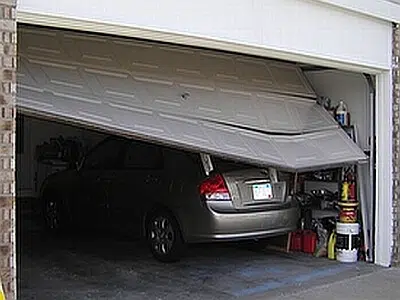
Level 7: Major Impact Damage from a Vehicle or Storm
Damage Type: Critical, Safety Risk
This is the most serious category and one of the top reasons San Antonio homeowners call for emergency garage door service. Vehicle collisions, hail damage, and storm debris can compromise not just one panel but the entire door system.
What to check:
- Do not try to manually operate the door if it is significantly deformed. A door that is off track or has a broken spring is a serious injury risk.
- Inspect the tracks on both sides for bends or separation from the wall.
- Look at the torsion spring above the door. Any visible gap or break in the spring means the door’s counterbalance is gone.
- Check whether the opener is straining or making unusual sounds during attempts to operate.
Prevention tip: After any major impact, treat the door as unsafe until a professional inspects it. Even if it still moves, internal components may be stressed and could fail without warning.
Repair One Panel or Replace the Whole Door?
Here is a straightforward industry rule of thumb:
- 1 to 2 damaged panels, door under 10 years old: Panel replacement is usually the most cost-effective path.
- 3 or more damaged panels: The cost of individual panel replacements often approaches the price of a full new door.
- Door is 15 or more years old: Older doors frequently have discontinued panel styles that are hard to match. A full replacement typically delivers better insulation, security, and curb appeal.
Average costs in the San Antonio area for panel replacement are lower than full door replacement, but the right choice depends on the door’s age, material, and how widespread the damage is. A professional assessment is always the smartest first move before committing to either option.
How to Prevent Garage Door Panel Damage
- Install a parking curb or floor guide inside the garage to prevent accidental vehicle contact with the door.
- Keep trees and overhanging branches trimmed before storm season. Flying debris during San Antonio thunderstorms is a common cause of panel damage.
- Apply a sealant to wood doors every year to protect against humidity-driven warping.
- Avoid power-washing panels at close range. High-pressure water can damage paint, seals, and softer panel materials.
- Schedule a professional inspection once a year. A technician can catch alignment issues and early-stage damage before they turn into costly repairs.
Know the Damage, Make the Right Call
Garage door panel damage ranges from a minor scuff that needs a dab of touch-up paint to critical structural failure that requires immediate professional attention. Knowing which category the damage falls into is what separates a smart repair decision from an expensive mistake.
For San Antonio homeowners, local conditions make this even more important. Intense sun, humidity shifts, and storm activity all accelerate panel wear faster than in milder climates. Regular inspection and early action are the best defenses.
When there is any doubt about the severity of damage, a professional inspection is the right move. Most reputable garage door companies in the San Antonio area offer free or low-cost assessments, and a quick look from an experienced technician can answer the question in minutes. In some cases, investing in new garage doors is the most practical long-term solution.
Ready to Get It Fixed the Right Way?
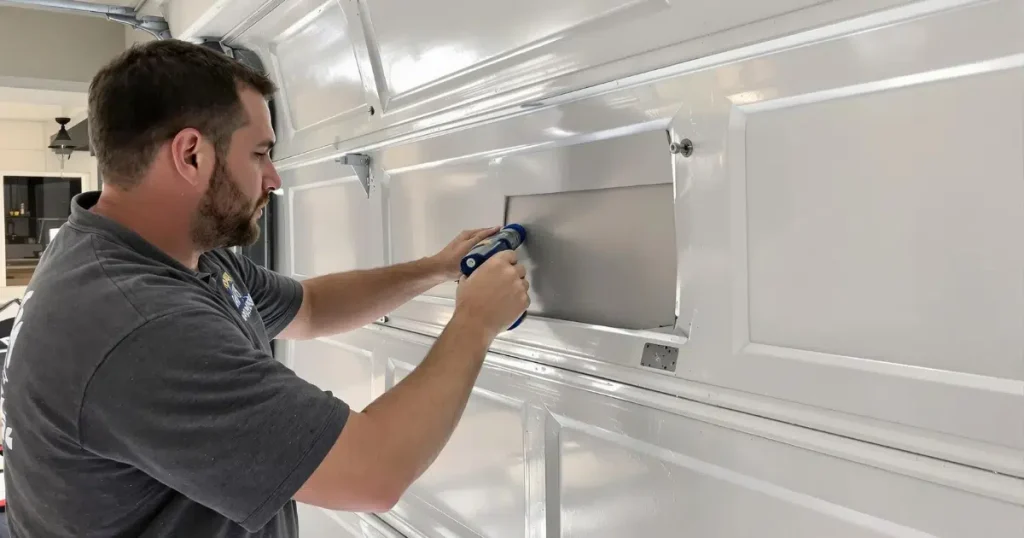
Lincoln Garage Doors LLC has been serving San Antonio homeowners with honest, reliable garage door service. Whether it is a minor dent or a full panel failure, our team has the experience and local knowledge to get it handled right. Contact us today or give us a call to schedule an inspection.