It’s 7:30 in the morning. The car is loaded, the coffee is poured and it’s already 85 degrees outside, a typical San Antonio summer day. Then the garage door opener refuses to respond. The remote clicks, the motor hums (or doesn’t) and that door just sits there. Sound familiar?
A garage door opener that stops working is one of the most common and most frustrating issues homeowners in San Antonio deal with. The good news? Not every situation calls for an expensive repair. Some problems are surprisingly simple to fix, while others absolutely need a trained technician.
The short answer: A garage door opener usually stops working because of dead remote batteries, misaligned safety sensors, power issues, broken springs, or a worn-out motor. The exact cause depends on the symptoms.
This guide breaks down the 10 most common reasons a garage door opener stops working, what to check for each one and when it’s time to call a professional. Every issue listed here comes from real-world experience servicing thousands of garage door opener problems across San Antonio and the surrounding Hill Country area.

Dead Remote Batteries
This one sounds almost too simple, but it’s the number one overlooked cause of a garage door that won’t respond. Before assuming the worst, check the remote.
Most garage door remotes use CR2032 coin cell batteries or standard AAA batteries. Over time, these lose their charge, especially when the remote sits in a hot car all day, which is pretty much unavoidable in San Antonio from May through October.
What to Check
Pop open the back of the remote and replace the batteries. If the door responds after that, the problem is solved.
How to Avoid This
Keep a spare set of batteries in the glovebox or the center console. It takes 30 seconds to swap them out and can save a lot of unnecessary stress on a busy morning.
If the remote still isn’t working after a recent storm or outage, check out this helpful guide: Is Your Garage Door Opener Not Working After a Power Outage?
The Photo Eye Sensors Are Misaligned or Dirty
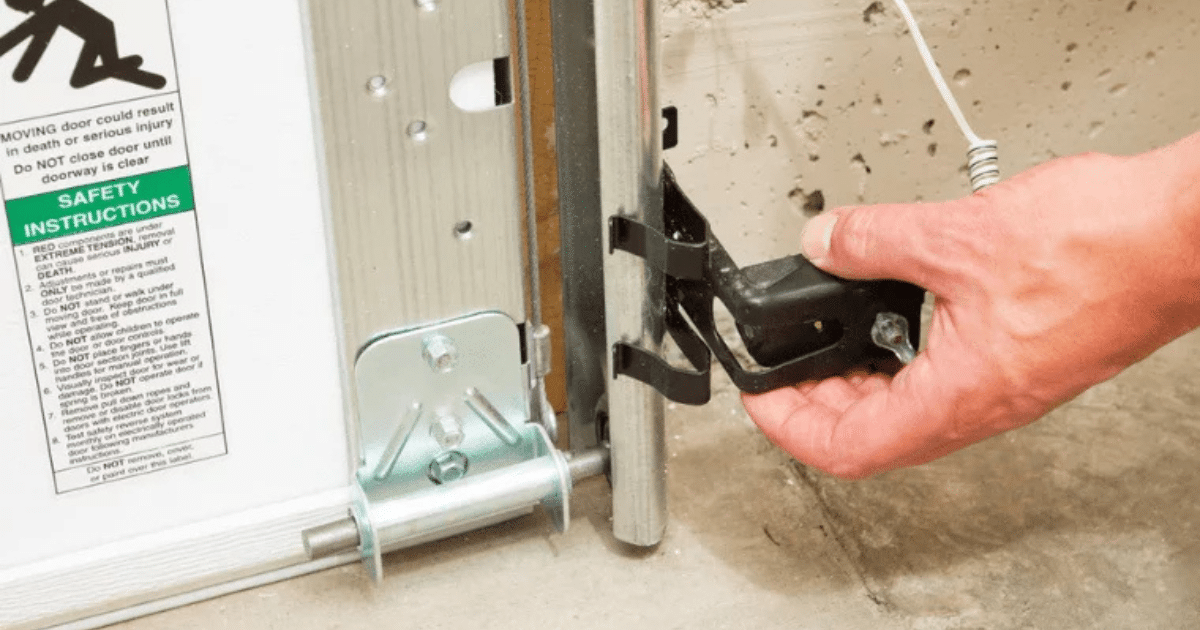
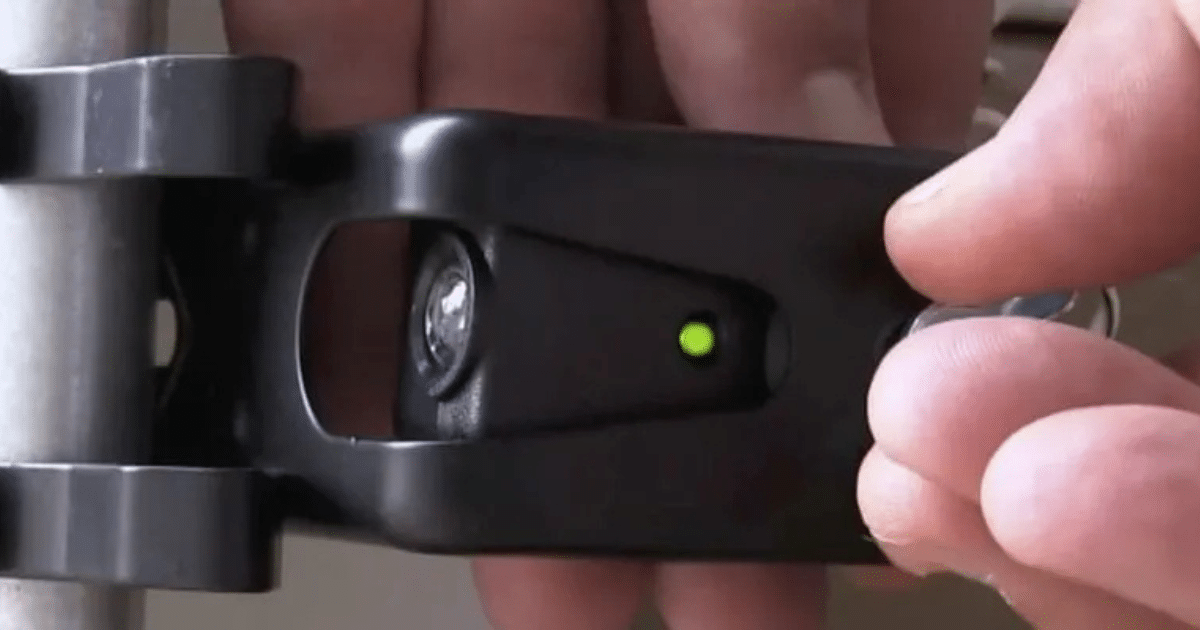
Every garage door opener manufactured after 1993 is required by federal law to have photo-eye safety sensors installed near the bottom of the door tracks. These small sensors shoot an invisible beam across the opening. If anything breaks that beam, a trash can, a bike, or even a cobweb, the door won’t close.
San Antonio’s climate makes this problem worse than in most cities. Dust, pollen and humidity can coat those tiny sensor lenses fast. Construction dust from nearby developments doesn’t help either. On top of that, the extreme heat can cause the metal brackets holding the sensors to expand and shift slightly, throwing the alignment off.
What to Check
Look at the small LED lights on each sensor. Most models show a steady green light on one side and a steady amber light on the other. If either light is blinking, the sensors are misaligned or obstructed. Wipe both lenses gently with a soft cloth and make sure nothing is blocking the beam.
How to Avoid This
Make it a habit to wipe down the sensor lenses once a month, especially during spring when San Antonio’s oak pollen is at its peak. A quick cleaning takes less than a minute and prevents a lot of headaches.
Also worth checking, sometimes the issue isn’t the sensors at all, but the remote itself. Learn more in this related guide: Can a Dead Battery Cause a Garage Door Opener Not Working?
The Door Is Off Its Track
A garage door rides along a pair of metal tracks on each side. If the door gets bumped hard, say, by a vehicle backing up a little too far, or if the rollers wear down over time, the door can slip out of those tracks. When this happens, the opener may strain and stop, or the door might jam partway up or down.
What to Check
Stand inside the garage and visually inspect both tracks. Look for gaps between the rollers and the rail, bent sections of track, or any obvious misalignment. Listen for grinding or scraping sounds when the door tries to move; that’s a telltale sign that something has shifted.
How to Avoid This
Never try to force a stuck garage door open or closed. If there’s resistance, something is wrong. Forcing it can turn a minor alignment issue into a major repair. Have the rollers and tracks inspected during annual maintenance to catch wear before it becomes a problem.
Important: A door that’s off its track is not a DIY fix. The door is extremely heavy. Most residential garage doors weigh between 130 and 350 pounds and attempting to realign them without the right tools and training creates a serious injury risk.
If the door seems fine on the tracks but still won’t respond when pressing the wall button, this guide may help: Why Is My Garage Door Opener Not Working With the Wall Button?
Broken Torsion or Extension Springs
This is the most common serious issue that stops a garage door from opening. The springs do the heavy lifting literally. They counterbalance the weight of the door so the opener motor doesn’t have to do all the work. When a spring snaps, the opener simply can’t lift the door on its own.
San Antonio homeowners deal with spring failures more often than people in milder climates. The reason is temperature fluctuation. While San Antonio is known for its heat, winter nights can drop into the 30s and summer afternoons regularly push past 100°F. That constant expansion and contraction cycle wears out faster. Most standard torsion springs are rated for about 10,000 cycles (one cycle = one open and one close), which translates to roughly 7 to 10 years of normal use.
What to Check
Look at the spring mounted above the inside of the garage door. If it’s a torsion spring, there will be a visible gap in the coil where it snapped. If the door uses extension springs (mounted along the horizontal tracks), a broken one will look stretched out, dangling, or separated.
How to Avoid This
Annual professional maintenance includes checking spring tension and overall condition. Lubricating the springs with a silicone-based spray every six months also helps extend their life.
Safety Warning: Never attempt to replace or adjust garage door springs without professional training. These springs are under extreme tension and can cause severe injury or death if they release unexpectedly. Spring replacement is always a job for a licensed technician.
The Opener Motor Runs but the Door Won’t Move
When the motor hums, the lights flash, but the door doesn’t budge, that usually points to a mechanical disconnect between the motor and the door itself.
The most common culprit? The emergency release cord. Every opener has a red cord hanging from the trolley (the piece that connects the opener’s chain or belt to the door). If that cord gets pulled sometimes accidentally by a family member, sometimes during a power outage, the door disconnects from the opener. The motor runs, but it’s not engaged with anything.
Other possibilities include a stripped drive gear inside the motor housing or a broken belt or chain.
What to Check
First, look at the emergency release cord. If it’s been pulled, re-engage the trolley by pulling the cord back toward the opener and then running the opener. The trolley should snap back into place. If the motor runs but makes a grinding noise inside the unit, the drive gear is likely stripped and needs replacement.
How to Avoid This
Make sure everyone in the household knows what the red cord does and when to use it. It’s meant for emergencies like opening the door manually during a power outage, not everyday use.
Power Source Issues
Sometimes the problem has nothing to do with the garage door at all. It’s the power supply.
Tripped circuit breakers, unplugged power cords and GFCI outlets that need resetting are all common causes of an opener that seems completely dead. In San Antonio, summer thunderstorms between April and June frequently cause power surges and brief outages that can trip breakers or reset GFCI outlets in the garage.
What to Check
Start at the outlet. Plug a lamp or phone charger into the same outlet the opener uses. If there’s no power, check the breaker panel. If the garage has a GFCI outlet (the kind with the small “Reset” button), press the reset button and try again.
Also, confirm that the power cord hasn’t been accidentally unplugged. It sounds obvious, but it happens more often than most people expect, especially after moving storage items around in the garage.
How to Avoid This
Plug the garage door opener into a surge protector. If the breaker trips repeatedly, that’s a sign of a deeper electrical issue that needs a licensed electrician.
The Wall Switch or Keypad Isn’t Responding
If the remote works fine but the wall-mounted button inside the garage does nothing, the problem is likely with the switch itself or its wiring. The same goes for the exterior keypad; if pressing the code does nothing, the issue might be simpler than it seems.
What to Check
Try the remote first. If the remote opens the door but the wall switch doesn’t, the wall switch or its wiring is the issue. Check for loose wire connections at the back of the switch and at the opener unit. For an exterior keypad, replace the battery first (many homeowners forget keypads have batteries too).
San Antonio’s intense UV exposure and heat take a toll on exterior keypads. A keypad mounted in direct sunlight on a south- or west-facing wall can degrade much faster than one that’s shaded.
How to Avoid This
Consider mounting the exterior keypad in a shaded spot or under an overhang. If that’s not possible, a simple keypad cover can protect it from direct sun exposure and extend its life significantly.
The Opener’s Logic Board Is Fried
The logic board is essentially the brain of the garage door opener. It receives signals from the remote, the wall switch and the sensors and then tells the motor what to do. When the logic board fails, the opener may blink its lights in a strange pattern, partially respond, or do nothing at all.
The number one cause of logic board failure is a power surge. San Antonio homeowners know how quickly a strong thunderstorm can roll in, especially during the April through June storm season. One good lightning strike nearby can send a surge through the home’s wiring and fry the logic board in an instant.
What to Check
If the opener’s lights blink but the door doesn’t respond to any input, not the remote, not the wall switch, not the keypad, the logic board is a likely suspect. Some opener brands have specific blink codes that indicate a logic board failure (check the owner’s manual or the manufacturer’s website for details).
How to Avoid This
A dedicated surge protector for the opener is the best defense. For even better protection, a whole-home surge protector installed at the breaker panel covers every appliance in the house, including the garage door opener. The investment pays for itself the first time it prevents a costly repair.
The Door’s Limit Settings Need Adjusting
Every garage door opener has limit settings, small adjustments (usually screws or dials on the motor unit) that tell the door how far to travel when opening and closing. If these settings are off, the door might open only partway, reverse before fully closing, or stop a few inches above the floor.
This issue often shows up after a spring replacement, a track adjustment, or even seasonal temperature changes that cause the metal components to expand or contract slightly.
What to Check
If the door reverses as soon as it touches the ground, the close limit is likely set too far. If it doesn’t open all the way, the open limit may need adjusting. The owner’s manual for the specific opener brand will have instructions on where to find and how to adjust these settings.
How to Avoid This
After any repair work on the garage door, have the technician verify the limit settings before leaving. If the door’s behavior changes with the seasons, which is common in San Antonio’s wide temperature range, a quick limit adjustment during a maintenance visit can keep everything running smoothly.
The Opener Is Simply Old and Worn Out
Like every mechanical system, garage door openers have a finite lifespan. Most quality openers last between 10 and 15 years with proper maintenance. After that, parts wear out, safety features become outdated and breakdowns become more frequent.
Many homes in established San Antonio neighborhoods such as Alamo Heights, Monte Vista, Stone Oak and Helotes still have original garage door openers from the early 2000s or even the late 1990s. These older units often lack modern safety features like rolling code technology (which prevents remote signal theft) and battery backup systems.
What to Check
If the opener is more than 12 years old and experiencing frequent problems, it may be more cost-effective to replace it rather than continuing to repair it. Constant noise, slow operation and repeated breakdowns are all signs that the unit is reaching the end of its useful life.
How to Avoid This
Sticking to a regular maintenance schedule, annual professional service plus basic homeowner upkeep every six months, can push an opener closer to that 15-year mark. But eventually, every opener needs replacing.
Quick Troubleshooting Checklist
Before scheduling a service call, San Antonio homeowners should run through these quick checks:
- Replace the batteries in the remote and keypad
- Make sure the opener is plugged in and the outlet has power
- Check the breaker panel for a tripped breaker
- Reset any GFCI outlets in the garage
- Clean and inspect the photo eye sensors for dirt or misalignment
- Verify the emergency release cord hasn’t been pulled
- Look for a visible break in the torsion or extension spring (do not touch)
- Listen for unusual grinding, scraping, or clicking sounds
- Check if the wall switch works even if the remote doesn’t (or vice versa)
- Review the opener’s light blink pattern and compare it to the owner’s manual
If none of these steps solves the problem, it’s time to call a licensed garage door technician.
How to Prevent Garage Door Opener Problems
Most emergency garage door repair calls are preventable. A little routine garage door maintenance goes a long way, especially in a climate like San Antonio’s, where extreme heat, dust and seasonal storms put extra stress on every moving part.
Here are the most effective prevention steps:
- Schedule a professional garage door maintenance tune-up once a year. A trained technician will inspect the springs, cables, rollers, tracks, sensors and opener for signs of wear before something fails. Think of it like an oil change for the garage door.
- Lubricate all moving parts every six months. Use a silicone-based garage door lubricant on the springs, hinges, rollers and track. Avoid WD-40, it’s a solvent, not a lubricant and it can actually attract more dust and grime.
- Test the auto-reverse safety feature monthly. Place a 2×4 flat on the ground under the door and close it. The door should reverse immediately when it contacts the board. If it doesn’t, the opener needs adjustment or repair.
- Prepare for San Antonio’s storm season. Before April, check the surge protector, test the battery backup (if the opener has one) and make sure the sensors and tracks are clean. A 15-minute garage door maintenance check can prevent a mid-storm breakdown.
When to Call a Professional
Some garage door issues are safe for homeowners to check, such as swapping batteries, cleaning sensors, and resetting a breaker. But several situations require a licensed, experienced garage door technician:
- Broken garage door springs: The tension involved is dangerous. This is never a DIY job.
- Cables that are frayed, loose, or snapped: These work in tandem with the springs and carry significant force.
- A garage door that’s off its track: The weight of the door makes this a high-risk repair.
- Electrical or logic board problems: Improper handling can cause further damage or create a safety hazard.
- Any garage door issue that doesn’t resolve within 15 minutes of basic troubleshooting: If the simple fixes haven’t worked, the problem likely requires diagnostic equipment and professional expertise.
Homeowners across San Antonio and the surrounding communities, including Helotes, Boerne, New Braunfels, Schertz and the entire Greater San Antonio metro, have access to experienced garage door professionals who can diagnose and resolve these issues safely and efficiently.
Don’t Let a Broken Garage Door Opener Ruin Your Day
A garage door opener that stops working is rarely the end of the world, but it’s always an inconvenience, especially during a San Antonio summer when the last thing anyone wants is to wrestle with a stuck door in triple-digit heat.
Most of the 10 issues covered here can be identified with a quick visual inspection and some basic troubleshooting. Some are simple enough to resolve at home. Others especially anything involving springs, cables, electrical components, or even a garage door panel replacement should always be left to a trained professional.
The smartest move any homeowner can make is to stay ahead of problems with regular maintenance. An annual tune-up and a few minutes of upkeep every six months can extend the life of an opener by years and prevent the kind of unexpected breakdown that always seems to happen at the worst possible time.
If the garage door opener is giving trouble and the basic checks haven’t solved it, the safest and most efficient next step is to schedule a professional diagnostic with a trusted local garage door company.
Need a Trusted Garage Door Expert in San Antonio?
San Antonio homeowners have trusted Lincoln Garage Doors LLC for fast, reliable garage door opener repair, maintenance and installation throughout the Greater San Antonio area. With experienced technicians who understand the unique challenges that South Texas weather puts on garage door systems, we are committed to getting the job done right the first time. Contact us today or give us a call to schedule a free diagnostic and get that garage door working like new again.