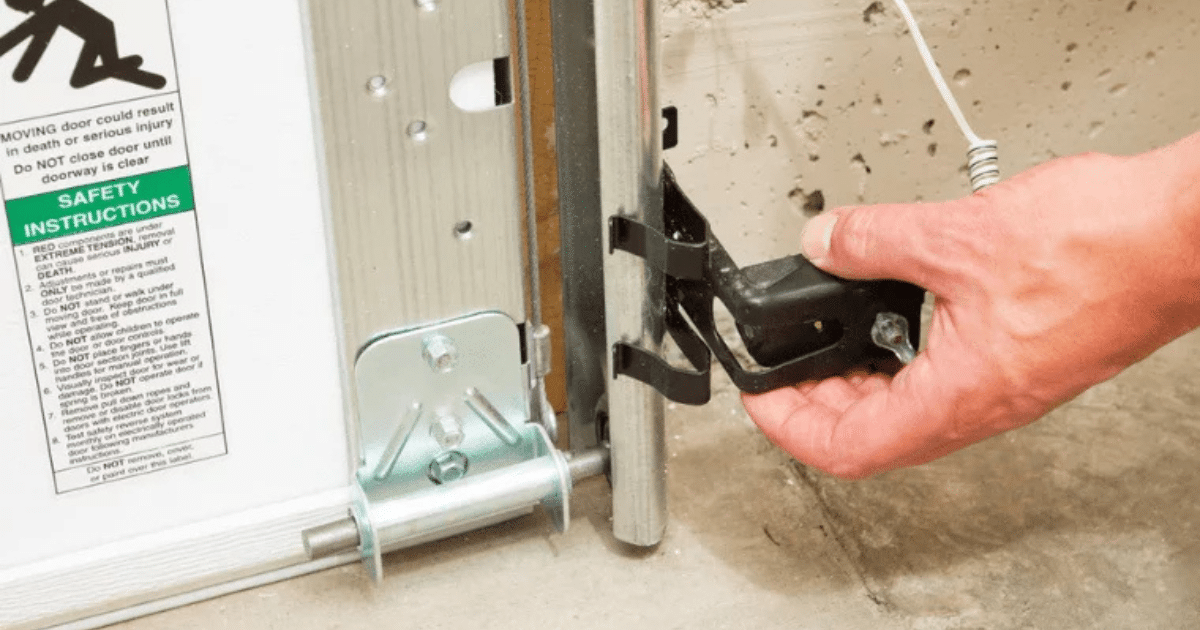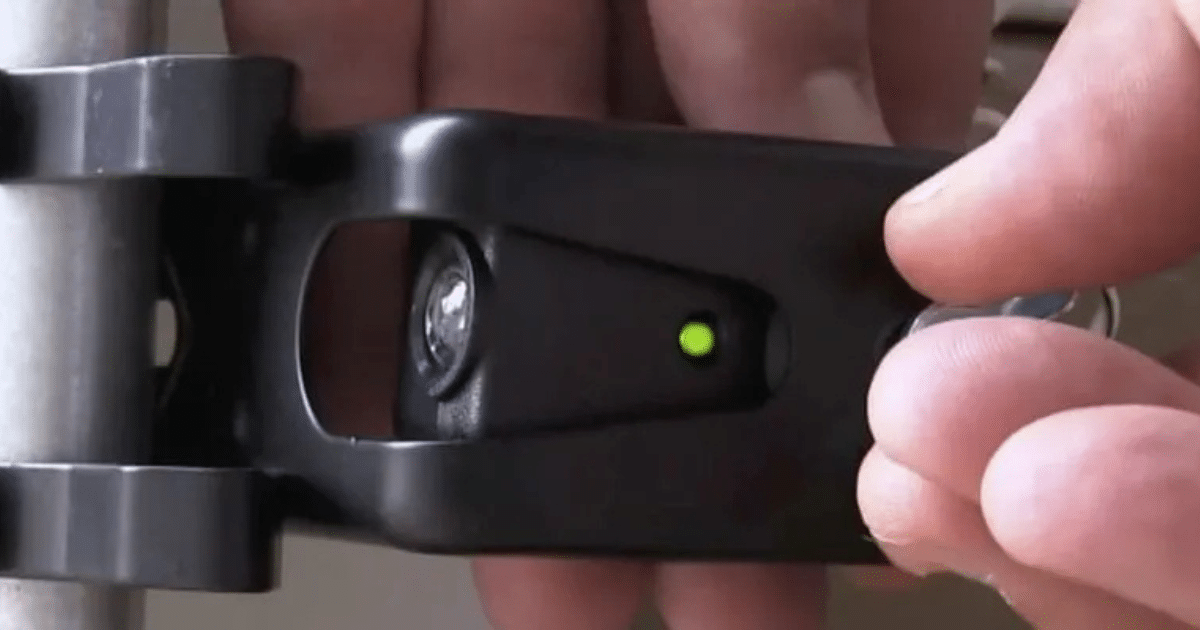
On most garage door openers, a steady green light on the receiving sensor means the garage door sensors are aligned and working. A blinking, flickering, or dark green light usually means the sensors are out of line or something is blocking the beam. Since garage door openers from different brands can show slightly different signals, it always helps to know what your specific model is telling you.
That is the fast answer. The rest of this guide breaks it down in plain language so any San Antonio homeowner can look at those two little lights near the floor and know exactly what they are saying. Sensor trouble is usually a quick fix, unlike bigger jobs such as garage door panel replacement, so reading these lights correctly can save you time and worry.
What Are Garage Door Sensors and Why Do They Matter?
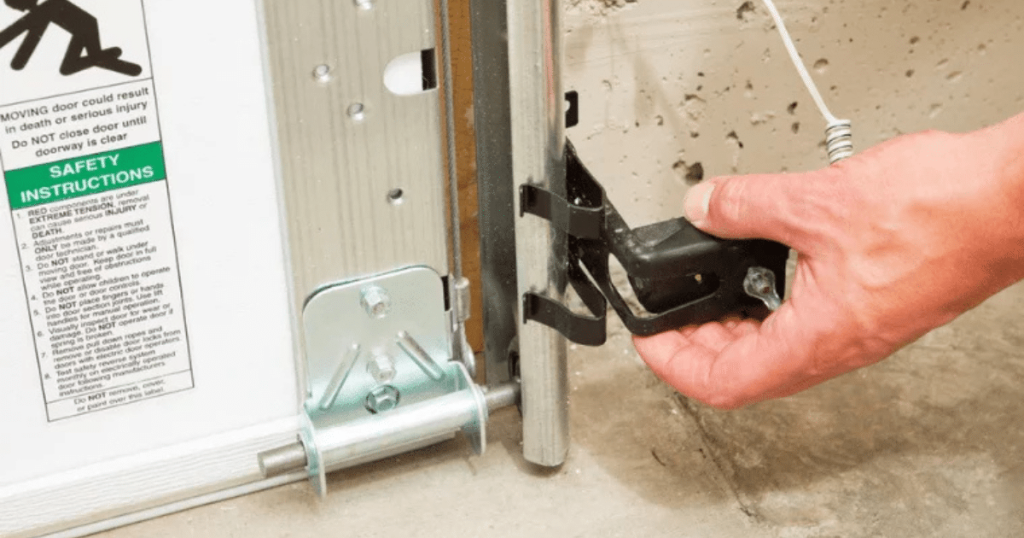
Look near the bottom of your garage door track, about six inches off the ground. You will see two small units facing each other. Those are your garage door sensors, also called garage door safety sensors or garage door photo eye sensors.
One unit sends an invisible beam of light across the opening. The other unit receives it. Together they create a garage door safety beam. When that beam is clear, the door knows it is safe to close. When the beam is broken by a person, a pet, a trash can, or a bike, the door stops and reverses so nobody gets hurt.
Federal safety rules have required these garage door sensors on residential openers since 1993. So if your San Antonio home was built or updated after that, your door has them. They are one of the most important safety parts on the whole system, right up there with the springs that handle garage door balance.
Want a closer look at spotting proper alignment? Check out the guide “How to Tell If Garage Door Sensors Are Aligned“ for a step-by-step walkthrough.
The Short Answer: What Color Light Means the Sensors Are Aligned
Here is the part most people came to read.
A steady green light on the receiving sensor almost always means the sensors are lined up and the beam is clear. That is the “all good” signal.
The other sensor, the one that sends the beam, usually shows a steady amber or yellow light. That amber light just means it has power. It does not tell you about alignment on its own.
So the color that tells you the garage door sensor alignment is correct is the solid green light on the receiving eye.
A few notes by brand, since not every opener is the same:
- LiftMaster and Chamberlain: amber on the sending eye, green on the receiving eye. Solid green means aligned.
- Genie: often uses a green or red light. Steady green means good, red or blinking means trouble.
- Craftsman: works much like LiftMaster, with a green light that stays on when aligned.
If the green light on your receiving eye is not steady, keep reading. The list below covers every light pattern you might run into.
Curious why that green light keeps flashing? The blog “Why Do Garage Door Sensors Blink in San Antonio?“ breaks down every reason behind the blinking.
8 Garage Door Sensor Light Signals and What Each One Means
Think of these two little lights as a status report for your garage door photo eye sensors. Here is how to read them.
1. Steady Green Light: Sensors Are Aligned
This is the signal you want. A solid, unblinking green light means the beam is clear and the garage door sensor alignment is spot on. The door should close normally with one press. Nothing to fix here.
2. Green Light Off Completely
No green light at all usually means one of three things: the sensor lost power, the beam is fully blocked, or the sensors are badly out of line. Start by checking for boxes, tools, or clutter sitting in the doorway. If the space is clear and the light is still dark, you may be dealing with misaligned garage door sensors or a wiring problem.
3. Blinking or Flickering Green Light
A flickering green light is the classic sign of garage door sensors not working the way they should. The beam is almost lined up but not quite. Even a bump from a broom or a car door can tilt a sensor a few degrees, and that is enough to make the light flicker. This is the most common issue that brings people to garage door sensor troubleshooting.
4. Steady Amber or Yellow Light
On the sending sensor, a steady amber light is normal. It simply shows the unit has power. If the amber light is off, that sensor may have lost power or failed, which points toward garage door sensor repair.
5. Red Light on the Receiving Sensor
Some brands use red instead of a dark light to signal a problem. A red or blinking red light means the garage door safety beam is broken or the sensors cannot see each other. Treat it the same as a flickering green light and check for blockage or alignment.
6. Both Lights Off
If neither sensor shows a light, the power is likely the culprit. A tripped breaker, an unplugged opener, or a chewed wire can take both garage door safety sensors offline at once. This is worth a careful look before you assume the sensors themselves are broken.
7. Lights Look Fine but the Door Still Reverses
Sometimes the lights look steady and green, yet the door goes down a foot and rolls back up. This can happen when a sensor is loose in its bracket and shifts slightly as the door moves. It can also point to a garage door balance issue, where the springs are worn and the door is fighting itself. This is a good moment to think about garage door repair rather than just the sensors.
8. Lights On but the Door Refuses to Close
When the lights read fine but the door will not budge downward, the problem may be a dirty lens, faint dust film, or sun glare washing out the beam. In San Antonio, strong afternoon sun hitting a west-facing garage can actually confuse garage door photo eye sensors. A soft, dry cloth on the lens often clears it up.
Wondering if the summer weather plays a role? The article “Can Texas Heat Knock Garage Door Sensors Loose?“ explains how local temperatures affect your sensors.
Why Garage Door Sensors Get Knocked Out of Line in San Antonio
Living in San Antonio adds a few local challenges that can lead to misaligned garage door sensors.
- Heat. Texas summers push garage temperatures well past 100 degrees. Heat can loosen the plastic brackets that hold the sensors, letting them droop over time.
- Sun glare. West-facing and south-facing garages catch intense late-day sun. That glare can overload garage door photo eye sensors and make the door act like the beam is broken even when the lights look fine.
- Dust and pollen. Cedar season and dry, dusty spells coat the little lenses with a film. A dirty lens is one of the top reasons for garage door sensors not working correctly.
- Storms and power flickers. Sudden storms and power surges can knock a sensor offline or scramble the opener, calling for garage door sensor troubleshooting afterward.
- Everyday bumps. A stray basketball, a bike tire, or a mower brushing past the bracket is often all it takes to create misaligned garage door sensors.
What to Check First (Simple Troubleshooting Tips)
Before calling anyone, a homeowner can safely run through a short checklist. This is basic garage door sensor troubleshooting, not a full repair guide, so stop if anything feels beyond your comfort level.
- Clear the doorway. Move anything sitting in the path of the garage door safety beam.
- Wipe the lenses. Gently clean both garage door photo eye sensors with a soft, dry cloth. Dust is a sneaky troublemaker.
- Look at the lights. Note the color and whether they are steady or blinking. That single detail guides all garage door sensor troubleshooting.
- Check the brackets. See if a sensor is pointing off to one side or drooping.
- Inspect the wires. Look for loose, pinched, or chewed wiring near each unit.
If the green light comes back steady after these steps, the garage door sensor alignment is fixed. If it stays dark or blinking, the issue likely needs a trained hand.
6 Easy Tips to Avoid Garage Door Sensor Problems
A little prevention keeps garage door operation smooth and cuts down on surprise service calls.
- Keep the doorway clear. Do not lean brooms, bags, or bins near the sensors.
- Dust the lenses monthly. A quick wipe keeps garage door safety sensors reading the beam clearly.
- Watch the brackets during summer. San Antonio heat loosens hardware, so glance at them a few times each season.
- Add a small sun shield if glare is a problem. A tiny visor can protect west-facing garage door photo eye sensors from afternoon sun.
- Do not slam the door area. Rough bumps are the number one cause of misaligned garage door sensors.
- Schedule a yearly tune-up. A pro can check garage door balance, springs, and sensors during one visit, which supports safe garage door operation year-round.
When to Call a Pro for Garage Door Sensor Repair or Replacement
Some fixes are quick. Others are a sign that it is time to bring in a professional for garage door repair.
Call a technician when:
- The lights stay dark even after cleaning and clearing the doorway.
- Wires are damaged, frayed, or chewed.
- A sensor is cracked or physically broken, which points to garage door sensor replacement.
- The door reverses even with the green light steady, hinting at a deeper garage door balance or spring issue.
- The problem keeps coming back after each attempt at garage door sensor troubleshooting.
The good news is that garage door sensor repair is usually one of the more affordable services in this trade, and the average cost tends to sit on the lower end compared with spring or opener work. When a unit is cracked or fried, garage door sensor replacement is still a modest job for a trained tech. A trusted residential garage door service in San Antonio can often handle both in a single visit, and many local pros carry common parts on the truck.
Working with a licensed residential garage door service also protects your family, since a technician confirms the safety beam works exactly as it should before leaving. That peace of mind is the whole point of these garage door safety sensors.
Why Sensor Alignment Is About More Than Convenience
It is easy to see garage door sensors as a small annoyance when the door will not close. But their real job is safety. Proper garage door sensor alignment is what keeps a heavy door from closing on a child, a pet, or a car bumper.
That is why the green light matters so much. When it glows steady, it is telling you the garage door safety beam is standing guard. When it blinks or dies, the system is warning you that its safety net has a hole in it.
Pairing well-aligned garage door photo eye sensors with good garage door balance gives you a door that is both safe and smooth. That combination is the heart of reliable garage door operation, and it is exactly what a quality residential garage door service aims to protect.
Your Simple Game Plan for Reading Sensor Lights
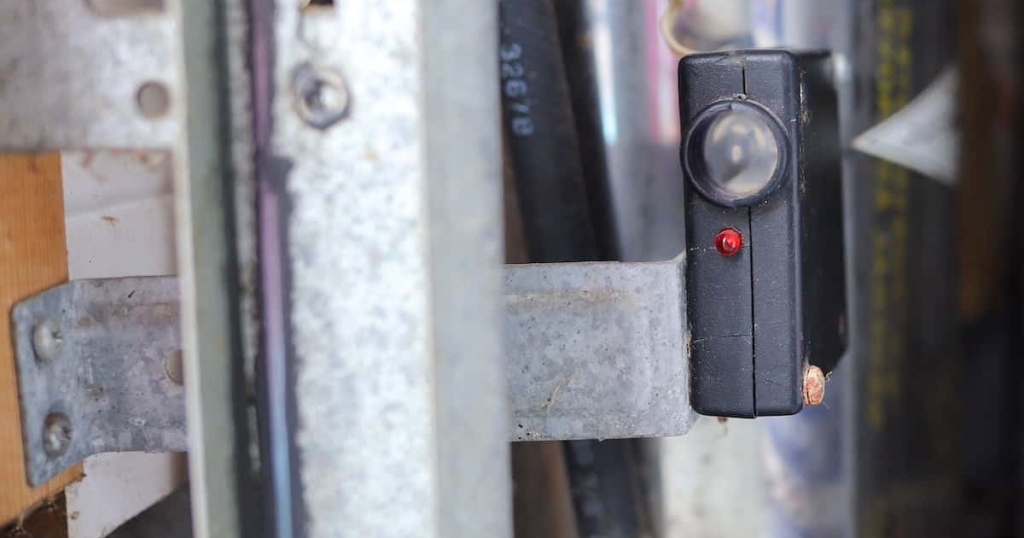
The next time your door acts up, walk down to those two little sensors and read the lights. A steady green light means the garage door sensors are aligned and ready. A blinking or dark light means it is time for a little garage door sensor troubleshooting.
Most of the time, a clear doorway and a clean lens bring that green light right back. When they do not, knowing how to align garage door sensors is best left to a trained professional who can also check the springs, the wiring, and the overall garage door balance. Understanding how to align garage door sensors starts with reading those lights correctly, and now you can.
Staying on top of regular garage door maintenance keeps those sensors clean, aligned, and ready year-round. And if your door is aging or beyond repair, exploring new garage doors can give your San Antonio home a safer, smoother, more reliable setup. Keep the lenses clean, keep the path clear, and keep an eye on those colors. Your family, your car, and your peace of mind will thank you.
Trusted Garage Door Help Right Here in San Antonio
When those sensor lights point to a bigger problem, Lincoln Garage Doors LLC is ready to help. As a locally trusted residential garage door service, our team brings honest advice, friendly technicians, and reliable workmanship to every San Antonio home. From garage door sensor repair and garage door sensor replacement to full safety checks that cover the springs, wiring, and garage door balance, our crew handles it all with care and skill. Do not let a blinking light put your family or your vehicle at risk. Contact us today or give us a call, and let us get your door back to safe, smooth, worry-free operation.