Garage door sensors are aligned when both small lights glow steady and the door closes all the way in one smooth motion. If one light blinks, the door reverses on its own, or it will not shut with the button, the garage door safety sensors are likely out of line. Most homeowners in San Antonio can spot the problem in about five minutes by checking the lights, watching the door, and doing a quick wave test. These small sensors work hand in hand with garage door openers to keep every close safe, and catching a problem early can save a home from bigger fixes down the road, like garage door panel replacement after a door slams shut on an object.
Why Alignment Matters
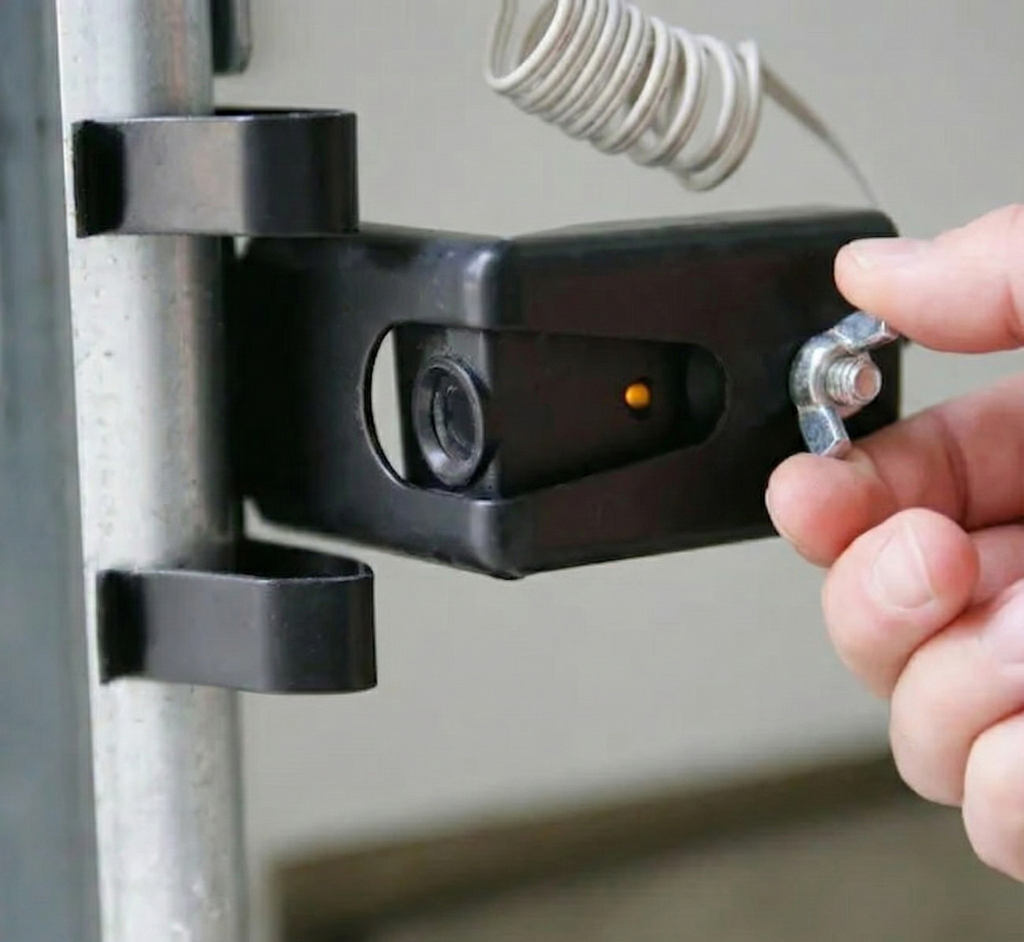
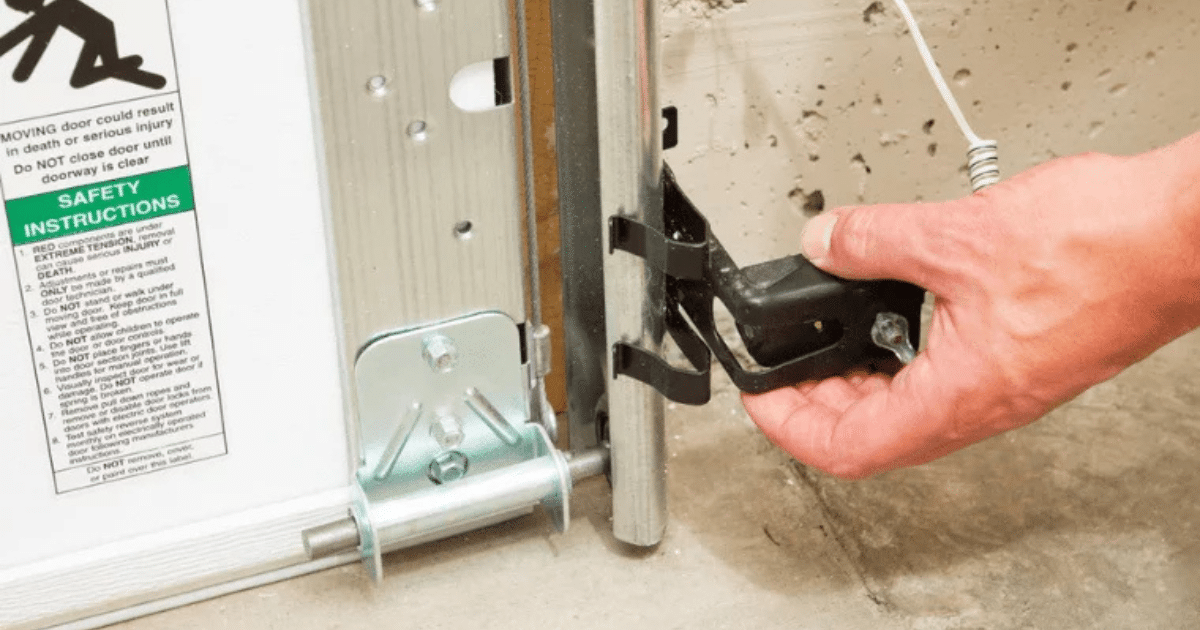
Every modern garage door has two small eyes near the bottom of the tracks, about six inches off the floor. These are the garage door photo eye sensors. One side sends an invisible beam of light. The other side catches it. That invisible line is called the garage door safety beam. As long as the beam is unbroken, the door knows the path is clear and closes normally.
When something blocks the beam, or when the two eyes stop pointing at each other, the door stops closing. That safety feature exists to protect kids, pets, cars, and anything else that might slide under a heavy panel. So proper garage door sensor alignment is not just about convenience. It keeps a family safe. Getting garage door sensor alignment right also protects the opener motor from extra wear.
San Antonio homes deal with heat, dust, sudden storms, and busy garages. All of that can knock these little eyes out of place. The good news is that spotting garage door sensors not working is easy once a homeowner knows what to look for.
For a closer look at why those lights start flashing, check out the guide “Why Do Garage Door Sensors Blink in San Antonio?“
Read the LED Indicator Lights
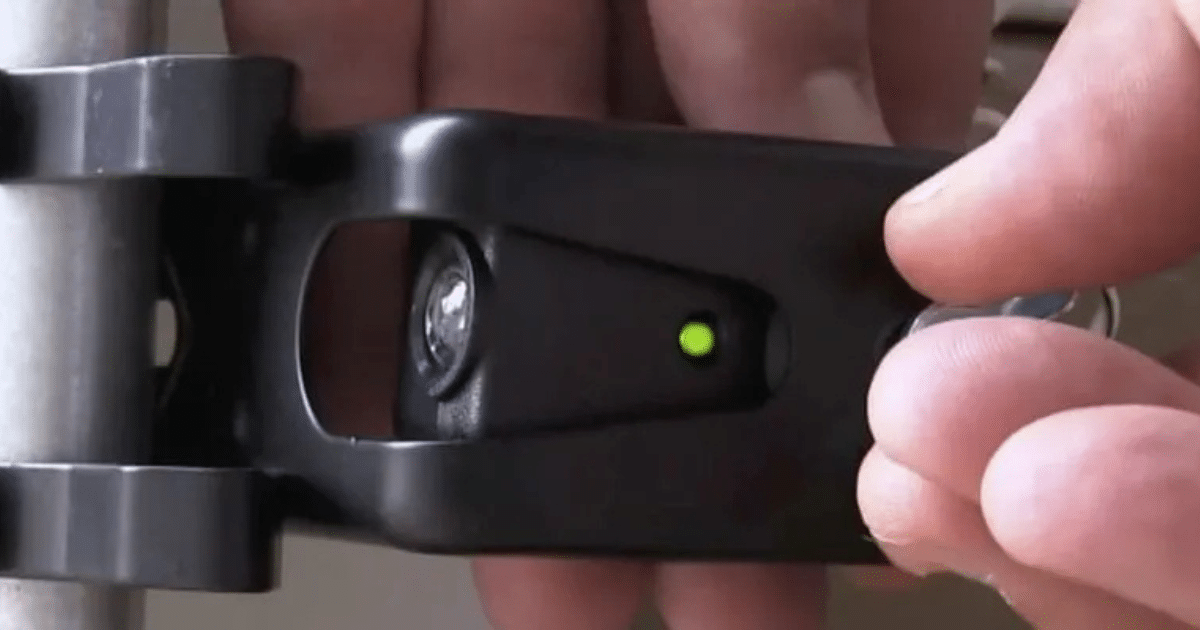
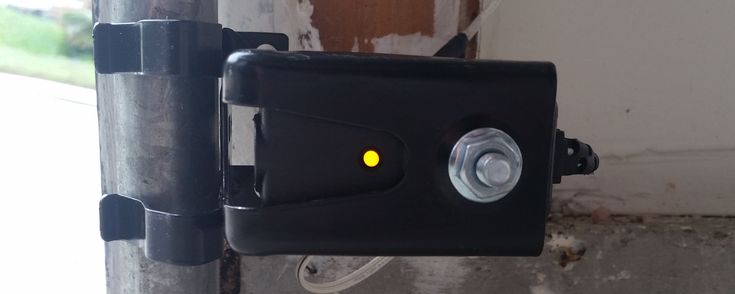
The fastest check starts with the tiny lights on each sensor. Most garage door sensors use a simple color code. One eye glows a steady color to show it has power. The other eye glows a steady color only when it “sees” its partner across the doorway.
If both lights stay solid, the garage door safety sensors are talking to each other and alignment is good. If one light blinks, flickers, or goes dark, that is the classic sign of misaligned garage door sensors. Blinking almost always means the beam is broken or the eyes are pointed slightly away from each other.
This is step one in any smart garage door sensor troubleshooting routine. Bend down, look at both lights, and take note of which one is acting up. That single clue points toward the side that needs attention.
Curious how local weather plays a role? The article “Can Texas Heat Knock Garage Door Sensors Loose?“ breaks it down.
Watch How the Door Acts When It Closes
Behavior tells a big story. Press the wall button and watch the door closely.
A healthy door glides down and seals against the floor. A door with alignment trouble will start down, then stop and roll back up. Sometimes the opener light will flash several times right after. That reversal is the system saying the garage door safety beam is not clear.
If the door refuses to close from the remote but closes when the wall button is held down, that is another strong hint. Many openers force a slow, manual close when they detect garage door sensors not working. Seeing that pattern is a reliable way to confirm the eyes are the cause and not the opener itself. This behavior check is one of the most useful garage door sensor troubleshooting steps a homeowner can do.
Want to decode those little lights? The guide “What Color Light Means Garage Door Sensors Align?“ explains what each color is telling you.
Try the Simple “Wave” Test
This test takes ten seconds and needs nothing but a broom.
With the door open, press the close button, then wave the broom handle through the doorway near the floor. A working system will catch the movement, stop, and reverse right away. That proves the garage door photo eye sensors are watching the opening the way they should.
If the door keeps closing and never reacts to the broom, the beam may not be working at all. If the door reverses even when nothing is in the way, the eyes are likely crooked. Both results point to a problem with garage door sensor alignment. The wave test is a favorite trick among pros because it shows the truth of the situation in seconds.
Check the Bracket Height on Both Sides
Each eye sits in a small metal bracket bolted to the track. Over time, a bumped bracket or a loose screw can tilt one eye up or down.
Look at both garage door photo eye sensors and compare how they sit. They should point straight across at each other at the same height. If one droops, leans, or sits higher than its partner, that tilt breaks the line. Even a small shift can create misaligned garage door sensors, because the beam is thin and must land dead center on the other lens.
A gentle nudge of the bracket back into place sometimes helps, but bending brackets or forcing bolts can crack the housing. Knowing how to align garage door sensors safely means moving slowly and watching the light change from blinking to solid. If the bracket feels bent or the screw is stripped, that is a sign to stop and consider a call for garage door sensor repair.
Look at the Lenses for Dust, Webs, and Sun Glare
San Antonio garages collect fine dust, and spiders love to build webs across warm corners. A layer of grime or a single web strand can block the garage door safety beam without moving the eyes at all.
Wipe each lens gently with a soft, dry cloth. Skip harsh sprays, since liquid can seep inside and cause garage door sensors not working over time. Once the lenses are clean, check the lights again.
Sun glare is a hidden San Antonio problem too. Late-day sun pouring through an open garage can wash out the receiver and trick it into thinking the beam is gone. If the door only misbehaves at certain times of day, glare may be the reason. A small shade or a slight bracket turn often fixes it. Regular cleaning is a big part of good garage door sensor troubleshooting and keeps the whole system honest.
Follow the Wiring for Loose or Chewed Spots
Thin wires run from each eye up to the opener. These wires can loosen, corrode in humid weather, or get chewed by rodents that sneak into a warm garage.
Trace the wire from each sensor with your eyes. Look for staples pulled loose, bare copper, or spots where the coating looks nibbled. A damaged wire can mimic misaligned garage door sensors even when the eyes point perfectly at each other. In that case the problem is power, not aim.
Wiring work carries a shock and fire risk, so this is a look-only step for most homeowners. Spotting the damage is helpful, but the actual fix usually belongs to a technician who handles garage door sensor repair every day. Reporting exactly what the wire looks like will speed up any service visit.
Measure Both Sides and Compare
When the lights and lenses look fine but trouble continues, a tape measure settles the question.
Measure from the floor to the center of each eye. Both should sit at the same height, and the standard spot is around six inches off the ground. A gap of even an inch between the two sides is enough to break the connection and create garage door sensors not working.
Also check that both eyes are the same distance back from the door opening. If one got pushed forward during a garage cleanup or a bumped bike, the beam can miss its target. This measuring habit is the core skill behind how to align garage door sensors, and it removes the guesswork. Matching both sides is often all it takes to turn a blinking light back to solid.
Notice San Antonio Weather Clues
Local weather leaves fingerprints on garage door sensors. Knowing the pattern helps a homeowner solve the puzzle faster.
Summer heat can expand metal brackets and shift alignment by tiny amounts. Sudden Texas thunderstorms bring blowing dust and rain that splashes into open garages and coats the lenses. Humid stretches speed up corrosion on wiring and contacts. After a big storm or a heat wave, a quick check of the garage door photo eye sensors is smart.
Homes near open fields or greenbelts also see more pests, and pests mean more webs and chewed wires. Tracking these clues makes garage door sensor troubleshooting far easier, because the weather often explains why perfectly good garage door sensors suddenly act up. San Antonio conditions are tough on garage door operation, so a seasonal habit pays off.
Tips to Avoid Misaligned Garage Door Sensors
A little routine care prevents most problems before they start. These habits keep the garage door safety sensors reliable year-round.
- Wipe both lenses clean once a month, especially after dusty or stormy weeks in San Antonio.
- Keep boxes, tools, and bikes clear of the sensor path so nothing bumps a bracket.
- Glance at both indicator lights each week to catch a blinking eye early.
- Check the wiring for loose staples or pest damage a few times a year.
- Test smooth garage door operation by opening and closing the door and listening for jerks or stops.
- Schedule a yearly checkup with a residential garage door service so a pro can catch small issues before they grow.
Good garage door balance matters too. If the door feels heavy or drifts up and down on its own, the springs may be off, and that strain can lead to bigger repairs. Proper garage door balance takes pressure off the opener and helps everything, including the sensors, last longer. A simple balance test is part of any solid residential garage door service visit.
When to Call a Local Pro
Some fixes are simple, but others call for trained hands. Reach out to a garage door repair company when:
- The lights stay blinking after cleaning and careful adjusting.
- Wiring looks chewed, corroded, or bare.
- A bracket is cracked, bent, or will not hold position.
- The door still reverses even after every check above.
- The eyes look damaged and may need garage door sensor replacement.
Trained technicians handle garage door sensor repair and garage door sensor replacement quickly and safely. A pro can also spot related trouble, like worn rollers or a failing opener, that a homeowner might miss. San Antonio has many local crews, so choosing a licensed and insured team keeps the work honest and the home protected. Fast garage door repair also prevents a stuck door from ruining a busy morning.
What the Average Cost Looks Like
Cost depends on the fix. A simple realignment or lens cleaning during a service call falls at the low end of average cost. Garage door sensor replacement sits in the mid range, since it involves new parts plus labor. Wiring repairs vary based on how much line needs work.
Bundling the visit helps. Many homeowners ask a residential garage door service to inspect the springs, check garage door balance, and tune the opener during the same trip. Handling several tasks at once often lowers the overall average cost compared with separate visits. Any honest garage door repair company will explain the average cost range before starting.
Keep Your San Antonio Garage Door Safe and Running Smoothly
Telling whether garage door sensors are aligned comes down to a handful of quick checks. Read the lights, watch the door, run the wave test, compare the brackets, clean the lenses, follow the wiring, measure both sides, and keep an eye on San Antonio weather. Those eight steps cover almost every case of misaligned garage door sensors and make garage door sensor troubleshooting simple.
Regular care keeps garage door safety sensors working and keeps a family safe. When the checks run out and the light still blinks, a trusted local team can handle garage door sensor repair or garage door sensor replacement and get the door back to smooth, safe garage door operation. Staying on top of garage door sensor alignment protects the people and pets who pass under that door every single day. Good garage door maintenance keeps sensors, springs, and openers in top shape, and when the time comes, new garage doors can bring even better safety features to a San Antonio home.
Trusted Garage Door Help in San Antonio
Lincoln Garage Doors LLC proudly serves San Antonio homeowners with honest, reliable, and friendly service. Our skilled team handles everything from garage door sensor alignment and garage door sensor repair to garage door sensor replacement, always with safety and quality in mind. Backed by local experience and a real commitment to smooth garage door operation, we treat every home like its own. Do not let misaligned garage door sensors slow down the day. Contact us today or give us a call, and let the trusted local pros get the door working safely again.