That dent on your garage door might look minor. Maybe a hailstorm left a few dings on the panels, or a car bumped it backing out of the driveway. Either way, it is easy to push it to the bottom of the to-do list and assume it is just a cosmetic problem. But here is the truth: a damaged garage door panel is rarely just an eyesore. In many cases, it creates real, serious safety risks for your family, your home, and your property. Ignoring the damage long enough can turn a simple panel replacement into a much larger and more expensive repair.
San Antonio homeowners deal with some of the toughest conditions in the country for garage doors. The extreme summer heat, spring hailstorms, and high humidity all accelerate wear and damage. What starts as a small dent or crack can quickly become a structural problem if left alone. This guide covers 9 specific safety issues a damaged panel can cause, what warning signs to watch for, and what steps to take before the problem gets worse.
What Counts as a Damaged Garage Door Panel?
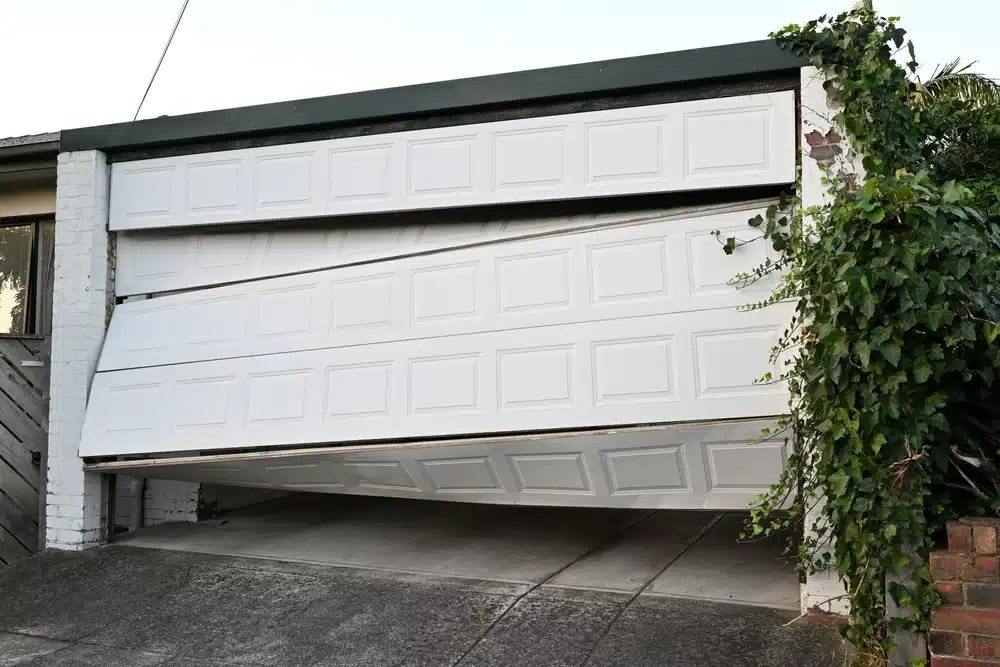
Damaged panels come in several forms. Any of the following qualify:
- Dents or dings from hail, vehicles, or debris
- Cracks or splits in the panel material
- Warping or bowing from prolonged heat exposure
- Rust or corrosion on steel panels
- Panel separation where sections have shifted apart
- Collision damage from a vehicle impact
Even damage that appears cosmetic can create hidden structural and mechanical problems below the surface.
Not sure whether your panel needs a fix or a full swap? Read this next: Can a Bent Garage Door Panel Be Fixed or Replaced?
9 Safety Issues a Damaged Garage Door Panel Can Cause
1. The Door Can Become Structurally Unstable
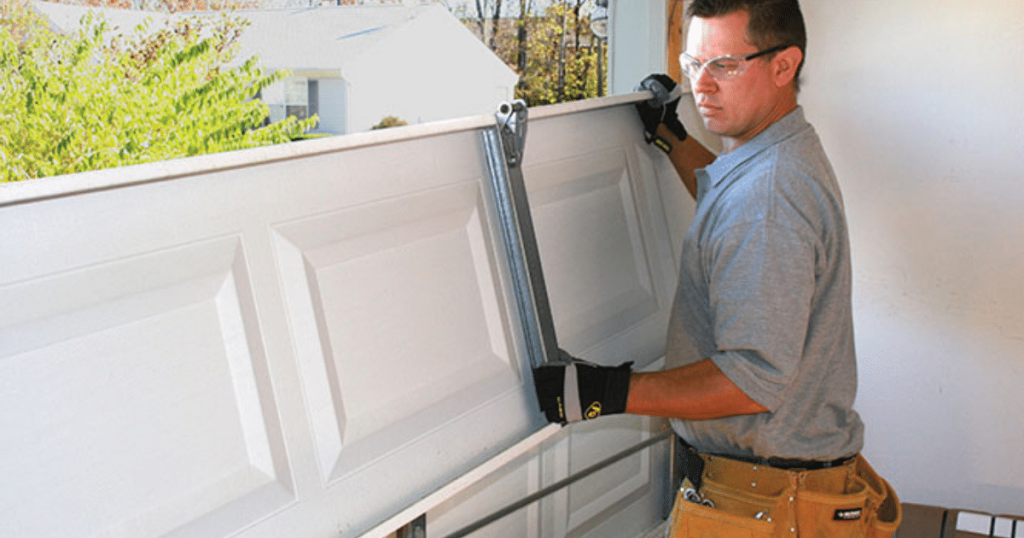
Garage door panels give the entire door its structural strength. Think of each panel as a support beam. When one is bent, cracked, or warped, it weakens the whole system.
A structurally compromised door can wobble during operation, come off its tracks without warning, or collapse under its own weight. Garage doors typically weigh between 130 and 400 pounds. That amount of weight falling unexpectedly is a serious danger to anyone nearby, including children and pets.
What to check: Watch the door while it opens and closes. Any shaking, tilting, or uneven movement is a red flag worth taking seriously.
Wondering how bad the damage has to get before it becomes a real problem? This article breaks it down: How Damaged Does a Garage Door Panel Have to Be?
2. It Puts Extra Stress on Springs and Cables
Every component in a garage door system depends on the others working properly. When a panel is bent or misaligned, it changes how weight is distributed across the door. This forces the torsion springs and lift cables to work harder than they were designed to handle.
Over time, this extra stress causes premature wear and increases the risk of a spring or cable snapping. A broken spring releases a massive amount of stored tension instantly. It can cause the door to crash down suddenly or send metal hardware flying at dangerous speed.
What to check: Popping, snapping, or grinding sounds during operation often signal that mechanical components are under abnormal stress.
Curious how a single damaged panel can throw off the entire door system? Find out here: Does One Bent Garage Door Panel Affect the Whole Door?
3. It Creates a Home Security Vulnerability
A damaged panel is a structural weak point, and experienced burglars know exactly how to spot one. A cracked or bowed panel is significantly easier to force open than an intact door. In San Antonio, where garage break-ins do occur, visible panel damage can also signal to opportunistic thieves that the home may be an easier target.
Tip: If the damage is visible from the street, prioritize getting it inspected quickly. Beyond the safety risk, it can also affect your home’s curb appeal and resale value.
4. It Worsens Heat and Weather Exposure
San Antonio summers regularly push past 100 degrees Fahrenheit. A damaged panel with cracks, gaps, or warping allows that extreme heat to pour directly into the garage. For homes where flammable items like gasoline, paint, or propane are stored, excessive heat exposure creates a genuine fire hazard.
Warped or cracked panels also let in rain, wind, and moisture during storm season. Water intrusion leads to mold growth, damage to stored belongings, and over time, damage to the garage floor and walls.
What to check: After a heavy rainstorm, inspect the inside of the garage near the damaged panel for signs of water entry. Even small gaps allow significant moisture buildup over time.
5. It Can Cause Track Misalignment
Garage door panels connect directly to the track system that guides the door up and down. A bent or warped panel pushes against the track, throws off the door’s alignment, and forces it to sit unevenly inside the guides.
When a track becomes misaligned, the door can get stuck mid-operation or derail entirely. A door that derails while someone is standing underneath it is one of the most dangerous situations a homeowner can face.
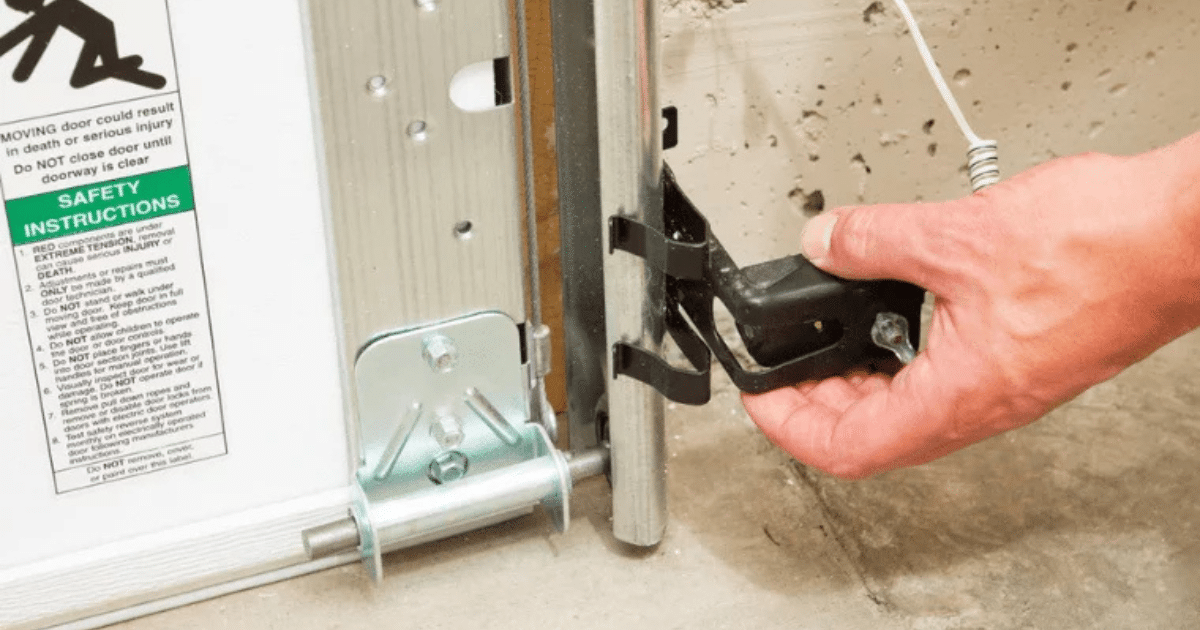
What to check: Inspect the metal tracks on both sides of the door. Gaps between the rollers and the track, or one side sitting higher than the other, are clear warning signs.
6. It Overworks the Garage Door Opener
Garage door openers are engineered to operate a properly balanced door. When a damaged panel makes the door heavier on one side or harder to move, the opener motor has to exert more force than it was designed for.
This shortens the life of the opener, causes the safety reverse mechanism to trigger at unexpected times, and can leave the garage door partially open and unsecured. If the opener sounds like it is straining or the door moves noticeably slower than usual, panel damage is a common culprit.
Tip: Ignoring opener strain rarely ends well. What starts as a motor working overtime typically leads to a full opener replacement sooner than expected.
7. Pinch and Crush Injury Risk Increases
Garage door panels are manufactured with specific clearances between sections to prevent dangerous pinch points during operation. When panels are bent or misaligned, those clearances change. Gaps shift, sharp edges form, and the door no longer moves the way it was designed to.
This creates real injury risk, particularly for children who may be near the door while it is moving, pets, and adults who are not paying close attention. Catching fingers, hands, or clothing in a shifting panel section can cause serious injury.
Tip: No one should stand close to a garage door while it is in motion. Children should never play near a garage door without adult supervision.
8. It Can Affect Homeowner’s Insurance Claims
Most San Antonio homeowners do not think about this one until it is too late. If a damaged garage door panel contributes to an injury, break-in, or property damage event, an insurance company may reduce or deny the claim on the grounds that the damage was a known issue that went unaddressed.
Texas homeowners who document storm damage promptly and take reasonable steps to address it protect themselves legally and financially. Waiting too long, or ignoring documented damage, gives insurers grounds to argue negligence.
Tip: After any hailstorm or major weather event, photograph all garage door damage and contact your insurance provider before scheduling repairs to understand your coverage options.
9. Small Damage Gets Much Worse Over Time
This may be the most important point of all: damaged garage door panels do not heal on their own. In San Antonio’s climate, with its intense UV exposure, extreme heat cycles, and active storm season, existing damage accelerates quickly.
A small dent today can crack by next month. A crack can warp an entire panel section by summer.
The general rule: If more than one panel is damaged, or if the top or bottom panel (which carry the heaviest structural load) are affected, full door replacement is often the smarter financial decision over piecemeal repairs.
How to Tell If the Damage Is an Urgent Problem
Situation | Urgency Level |
Small cosmetic dent, door works normally | Low: Schedule an inspection soon |
Panel cracked or split | Medium: Book a repair this week |
Door is noisy, shaking, or slow | High: Call a professional soon |
Door will not open or close fully | Urgent: Stop using the door |
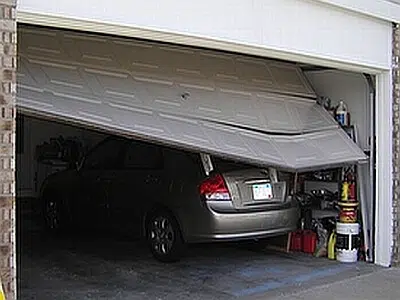
Panel collapsed or caved inward | Emergency: Do not use the garage |
Vehicle hit the door while it was closed | Emergency: Structural damage is likely |
What San Antonio Homeowners Should Do Next
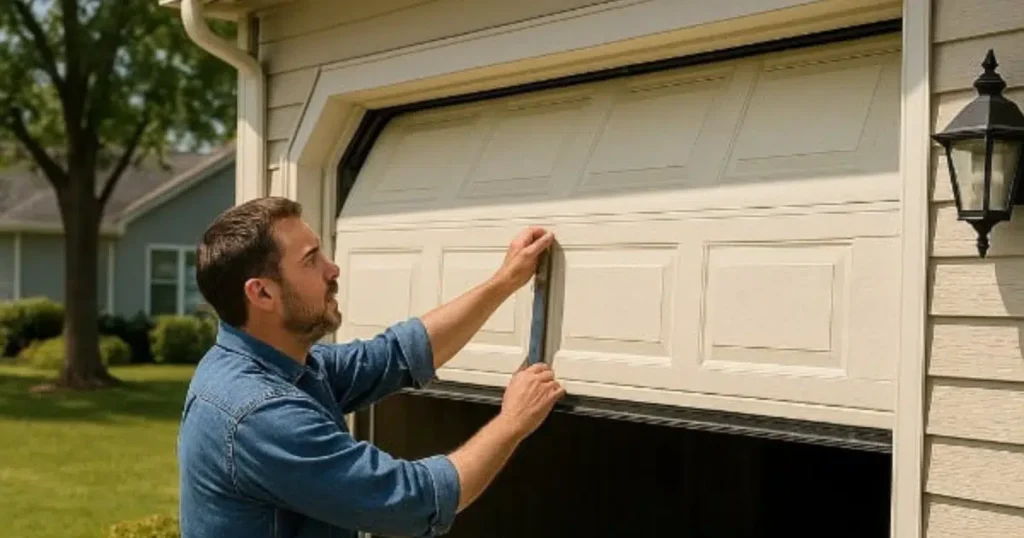
Garage door panel repair is not a safe DIY project for most homeowners. The springs, cables, and structural components involved carry serious injury risk when handled without proper training and tools.
Here is what to do:
- Stop using the door if it is showing instability, unusual noise, or movement issues.
- Do a visual inspection from a safe distance. Look for visible bends, gaps, rust, warping, or separation between panels.
- Take photos of any damage, especially after a storm, for insurance documentation.
- Contact a licensed garage door technician in San Antonio for a professional inspection.
- Ask about panel repair versus full door replacement. A trustworthy technician will give an honest recommendation based on the extent of the damage, including whether investing in new garage doors makes more financial sense than repairing multiple damaged sections.
Serving San Antonio Homeowners With Honest, Reliable Garage Door Service
When panel damage puts your home and family at risk, working with a trusted local professional makes all the difference. Lincoln Garage Doors LLC proudly serves San Antonio and the surrounding areas with quality repairs, panel replacements, and full door installations. With hands-on expertise and honest assessments, our team is committed to getting the job done right the first time. Do not wait for a small problem to become a costly one. Contact us today or give us a call to schedule a professional inspection.