If your LiftMaster remote is not working, you are not alone. This is one of the most common garage door opener issues homeowners in San Antonio, TX deal with, especially during extreme heat, storm season, or after power outages.
As a garage door professional servicing areas like Stone Oak, Alamo Ranch, Helotes, and other parts of Bexar County, most remote issues I see are not major mechanical failures within the garage door opener system. In fact, many are small problems that can be identified quickly with the right checks.
This guide walks you through the most common causes, what to look for, how to avoid future issues, and when to call for professional garage door repair. The goal is to help you understand what may be affecting your LiftMaster garage door opener without attempting unsafe repairs.
Dead or Weak Remote Batteries
The simplest and most common reason a LiftMaster remote stops working is a weak battery.
Signs of a Battery Problem
- The LED light on the remote does not turn on
- The LED is dim or flickers
- The wall control works, but the remote does not
- The door responds only when you are very close
San Antonio summers can easily push garage temperatures above 100 degrees. Heat drains coin cell batteries much faster than most people expect.
What to Check
Open the remote and confirm the battery type. Most LiftMaster remotes use CR2032 or similar coin batteries.
Prevention Tips
- Replace remote batteries once a year
- Avoid leaving remotes inside hot vehicles
- Keep spare batteries stored indoors
Battery replacement is typically a simple and affordable maintenance task that helps prevent unexpected keypad failure.
For a deeper explanation of unexpected remote failures, read our related guide Why Is My LiftMaster Remote Not Working Suddenly? where we break down sudden signal loss, power surges, and hidden opener issues common in San Antonio homes.

Remote Lost Programming After Power Outage
San Antonio storms often cause brief power interruptions. After a power surge or outage, the remote may lose its connection to the opener.
LiftMaster openers use rolling code technology for security. If the memory resets, the remote must be reprogrammed.
Signs of a Programming Issue
- The remote light turns on, but the door does not respond
- The wall button works normally
- The issue started after a storm or outage
What to Check
Look for the Learn button on the opener motor unit. If you are unsure about the programming steps, it is best to have a technician handle it to avoid clearing all remotes accidentally.
How to Prevent This
- Install a surge protector for your garage door opener
- Avoid frequently unplugging the unit
- Schedule routine garage door maintenance
To better understand one of the most common and overlooked causes, read our related guide Can a Dead Battery Cause a LiftMaster Remote Not Working? for a detailed breakdown of how a simple battery failure can interrupt your entire garage door system.
Signal Interference in Growing San Antonio Neighborhoods
Signal interference is becoming more common in newer developments across San Antonio.
Homes today have:
- WiFi routers
- Smart home hubs
- Security cameras
- LED lighting
- Military or airport radio signals in some areas
These can interfere with the remote frequency.
Signs of Signal Interference
- Remote work only works when you are very close
- The door responds outside, but not inside the garage
- The problem started after installing new LED bulbs
Certain LED bulbs are known to block radio frequencies.
What to Check
Try temporarily removing LED bulbs in the opener to see if the remote range improves.
Prevention Tips
- Use LiftMaster-approved LED bulbs
- Keep WiFi routers away from the opener
- Avoid placing smart devices directly beside the motor unit
For a deeper look at what can happen after resetting your opener, read our related guide Why Does My LiftMaster Remote Not Working After Reset? where we explain common post-reset programming and signal issues homeowners often overlook.
Wall Control Lock Feature Is Activated
Many homeowners do not realize that LiftMaster wall consoles often have a lock button.
When activated, all remotes stop working.
This feature is common in family homes where children may press buttons without knowing what they do.
Signs the Lock Is On
- The wall button opens and closes the door
- All remotes suddenly stop working
- No mechanical noises from the opener
What to Check
Inspect the wall control for a lock symbol or indicator light.
Prevention
Educate family members about the lock feature and keep remotes stored properly.
Safety Sensors Are Misaligned or Dirty
Garage door safety sensors are designed to stop the door from closing if something blocks the beam.
In San Antonio, dust, wind, and debris can easily affect sensor alignment.
Even if the remote works, the door may not close due to sensor problems.
Signs of Sensor Issues
- The door starts to close, then reverses
- Sensor lights blinking
- The door opens normally, but will not close
What to Check
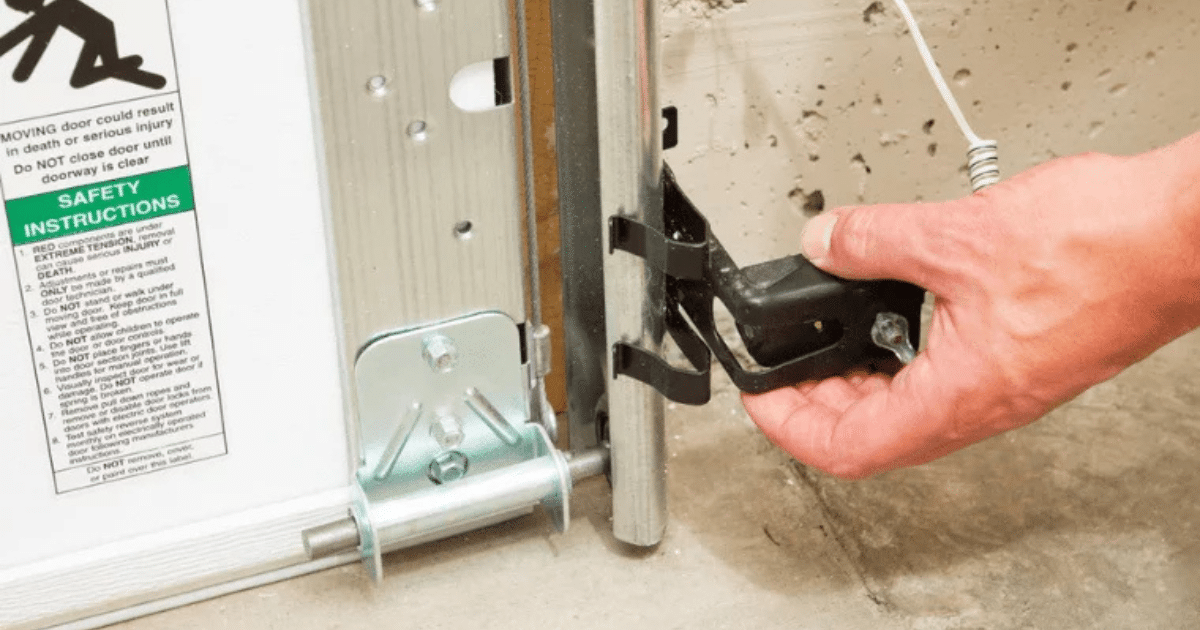
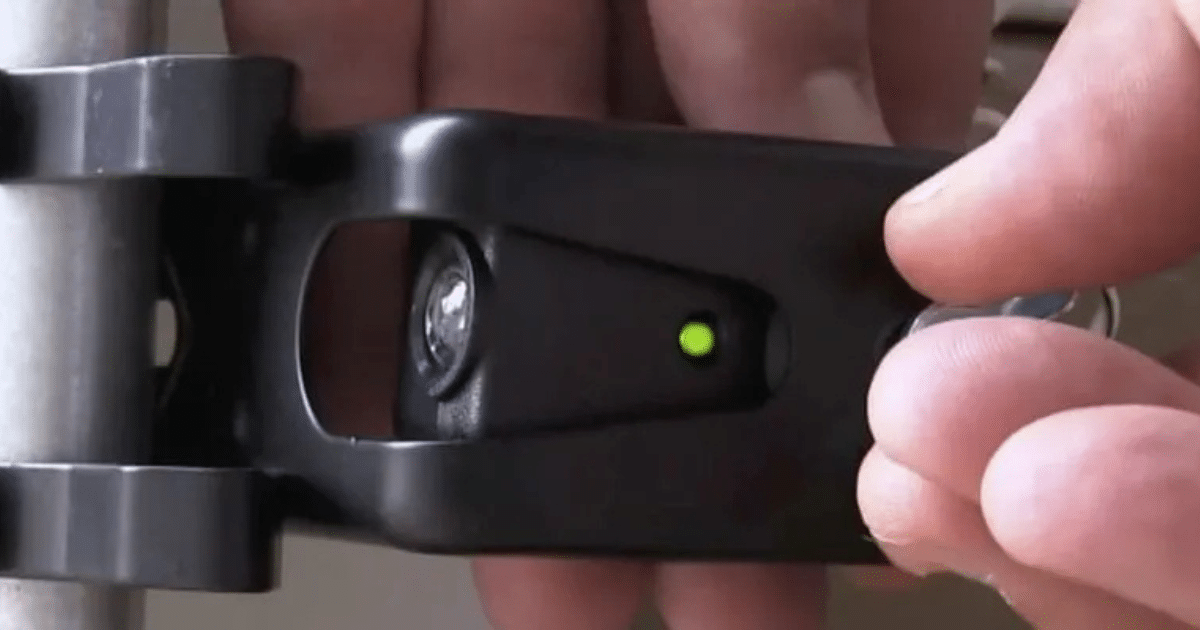
- Make sure both sensor lights are solid
- Wipe dust from lenses
- Ensure nothing blocks the beam
If wiring appears loose or damaged, avoid handling it yourself.
Antenna Wire Is Damaged or Tucked Away
The opener motor unit has a hanging antenna wire. If it becomes tucked inside the housing or damaged, the signal range drops significantly.
Signs of Antenna Issues
- Remote only works when very close
- Antenna wire is missing or wrapped around the motor
- Range suddenly shortened
Prevention
Avoid storing items that could bump the opener. Include antenna inspection during annual maintenance.
Extreme Texas Heat Affecting Electronics
High heat in San Antonio garages can affect both remotes and openers.
Heat can:
- Drain batteries
- Expand internal components
- Affect circuit boards
- Impact logic board performance
If the remote works in the morning but fails mid-afternoon, the temperature may be contributing.
Prevention Tips
- Insulate the garage door
- Improve ventilation
- Avoid leaving remotes in direct sunlight
- Schedule annual garage door inspections
Physical Damage to the Remote
Remotes get dropped, stepped on, or exposed to moisture.
Even if the outside looks fine, internal boards may crack.
Signs of Damage
- Rattling inside the remote
- Intermittent response
- LED works, but the door does not
If damaged, replacement is often more reliable than repair.
Replacement costs in San Antonio vary depending on the keypad model and compatibility with your garage door opener system.
Opener Logic Board Failure
If multiple remotes stop working at the same time, the issue may not be the remote at all.
The garage door opener logic board may be failing.
San Antonio lightning storms and electrical fluctuations can shorten the lifespan of internal components, especially in systems that have not received regular garage door maintenance or had surge protection installed.
Warning Signs
- Remotes not responding
- Wall control unreliable
- Random flashing lights
- Clicking sounds without door movement
This is not a DIY repair due to electrical risk, and routine garage door maintenance can help detect early electrical wear before a full board failure occurs.
When to Call for Garage Door Repair in San Antonio, TX
Professional help is recommended if your garage door system shows any of the following warning signs:
- Breaker trips repeatedly
- Burning smell from the motor
- Safety sensors continue blinking
- Reprogramming does not solve the issue
- Multiple garage door or opener components malfunction
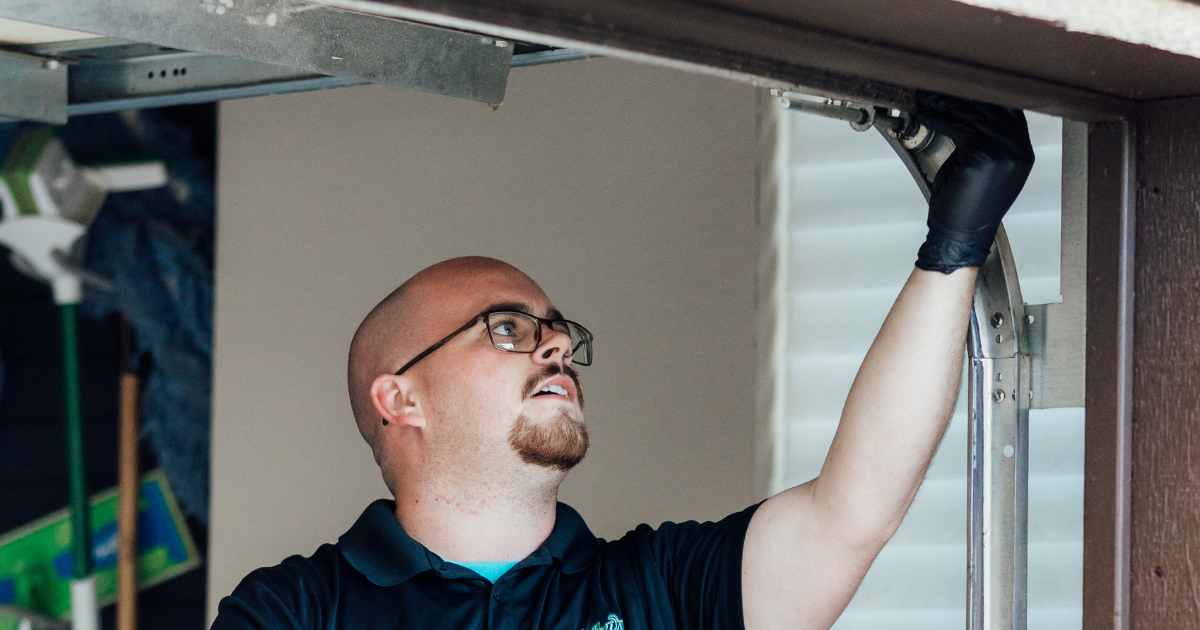
A trained garage door technician can diagnose whether the issue involves the remote, garage door opener, wiring, springs, tracks, or mechanical imbalance within the garage door system.
Local professionals understand how Texas heat, humidity, and storm patterns affect garage door performance and can provide safe, accurate solutions to restore reliable operation.
How to Avoid Future LiftMaster Remote Problems
Preventive maintenance is the best way to reduce unexpected failures.
Annual Maintenance Checklist for San Antonio Homeowners
- Replace remote batteries once per year
- Test safety sensors monthly
- Inspect antenna wire
- Clean dust from the opener unit
- Confirm the wall control lock is off
- Install surge protection
- Inspect garage door panels for cracks, warping, or storm damage that may require garage door panel replacement
- Schedule a professional inspection
Routine garage door maintenance in San Antonio helps extend the life of your opener system and reduces the risk of unexpected breakdowns.
Smart Next Steps for LiftMaster Remote Issues
If your LiftMaster remote is not working in San Antonio, TX, start with simple checks like replacing the battery, verifying the wall lock feature, and inspecting the safety sensors.
Many issues are minor and affordable to resolve. However, electrical problems and internal opener failures should always be handled by a trained professional.
Regular garage door maintenance protects your investment, improves safety, and helps prevent emergency repair situations, especially in Texas weather conditions.
When in doubt, a professional inspection provides peace of mind and ensures your garage door system operates safely and reliably year-round.
Expert Diagnostics and Honest Garage Door Solutions
For homeowners who want dependable service backed by real industry experience, Lincoln Garage Doors LLC is a trusted name in San Antonio. Our team understands how local heat, storms, and daily wear impact LiftMaster systems and provides thorough diagnostics with honest recommendations. If your remote continues to give you trouble, contact us today or give us a call to schedule a professional inspection and restore safe, reliable operation to your garage door system.