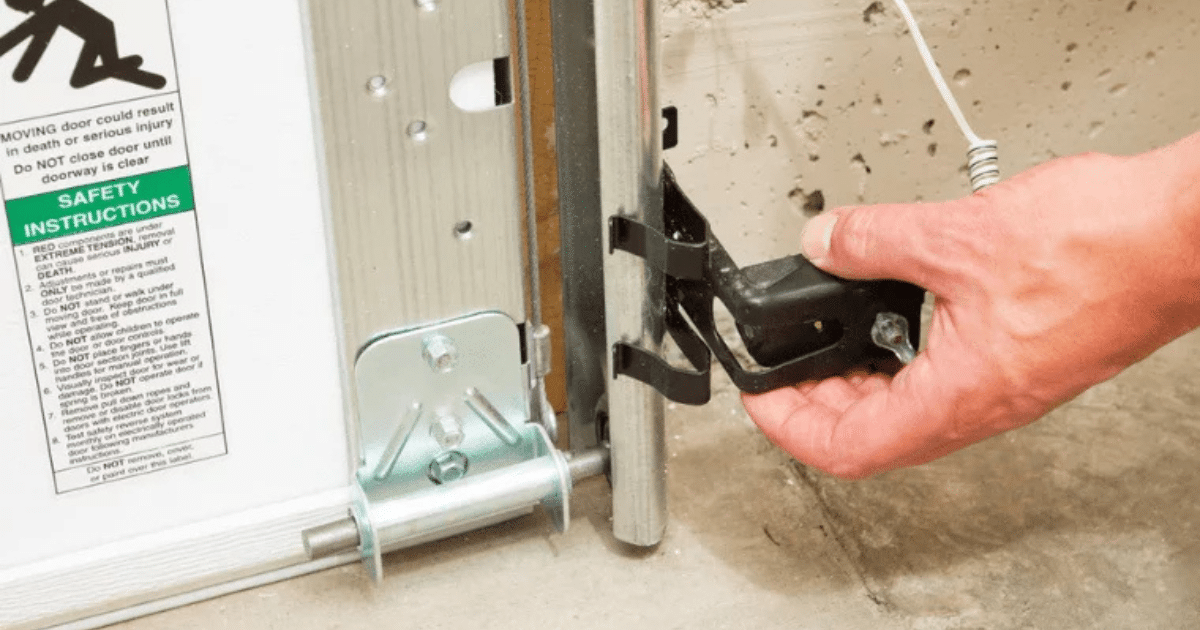
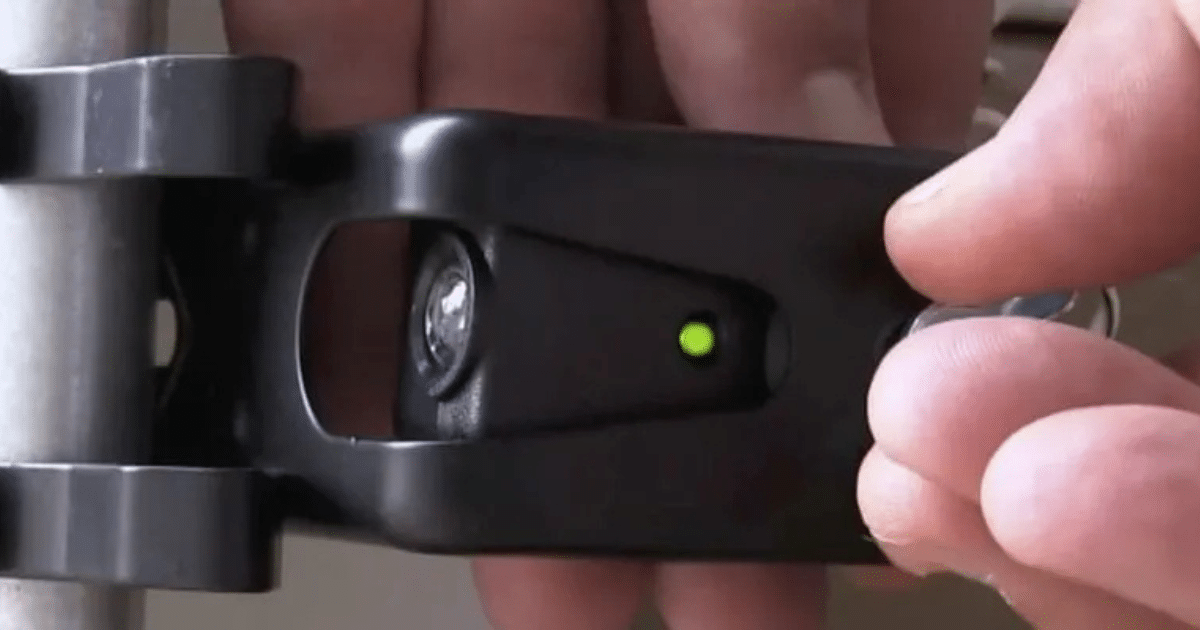
Hiring a commercial or residential garage door company in San Antonio, TX, is not only about getting the job done. It is also about safety, protection for your property, and clear responsibility if something goes wrong. A garage door is a heavy, built-in door section that runs through an overhead track system with moving rollers. Many homes also rely on an opener and safety sensors, so the system needs to work correctly every day for strong functionality.
Licensing and insurance are two of the biggest signs a company is legitimate. This guide breaks down what they mean, what paperwork matters, and why it affects safety, warranty support, and the installation process.
Why Licensing And Insurance Matter When Hiring A Garage Door Company
When you search for a garage door company near me, many options can sound the same. Licensing and insurance help show whether a provider can take responsibility if something goes wrong during service.
A garage door is a heavy overhead system with door sections, rollers, and often a garage door opener, so the risks are real. Licensing and insurance help protect homeowners from:
- Property damage during service or door installation
- On-site injuries involving an installer or helper
- Opener or safety sensor problems that affect functionality
- Confusion about what work was approved and completed
What “Licensed” And “Insured” Usually Mean
“Licensed” can mean the company meets a legal requirement for certain work, depending on the scope of the work. “Insured” means the company carries coverage that may apply to damage, injuries, or other covered incidents during the job. These should match the exact work being performed, especially when opener-related tasks may involve electrical components.
Why Written Documentation Matters
Before work begins, a professional provider should be able to provide clear written documentation, such as:
- A written scope of work that explains what will be done
- Proof of insurance that matches the company name
- Warranty terms that explain parts and labor coverage
- A plan for final testing to confirm safe operation
If you are comparing providers overall, see our blog on How Do You Choose a Garage Door Company in San Antonio, TX? for the full selection framework before you schedule service.
Are Garage Door Companies Required To Be Licensed In San Antonio, TX?
Requirements can vary depending on the type of work being performed and the rules that apply at the city, county, or state level. A garage door company may need specific licensing for electrical-related tasks, while other services may rely on business registration and insurance.
Because expectations can change by service type, it helps to confirm credentials for the exact scope, especially when opener-related work may involve electrical components. For example, licensing expectations may differ between:
- Minor adjustments and tune-ups
- Replacing major hardware
- Changing door sections
- A full door installation
- Opener work involving wiring or control changes
The more complex the work, the more important it becomes to confirm credentials and coverage in writing, since the average cost may depend on labor, testing, and documentation needs.
For projects where local rules or permits may apply, the City of San Antonio Development Services Department provides homeowner-facing information to help confirm which requirements apply to the service you are requesting.
When a company says it is licensed, that claim should connect to a specific credential that can be checked through an official source, and the details should match the business name and the work being performed.
The Insurance Types You Should Expect From Garage Door Services Providers
Insurance is one of the clearest signs that a provider is prepared to take responsibility. A professional company should be able to show proof of coverage and explain what it protects.
General Liability Insurance And What It Typically Covers
General liability insurance may help cover certain property damage connected to work performed, depending on the policy. This can include damage near the track, surrounding surfaces, or other areas affected during service.
Workers’ Compensation And Why It Matters To Homeowners
Workers’ compensation covers crew injuries, which matters because garage door work involves heavy door sections, tensioned parts, and physical labor. The Insurance Information Institute explains workers’ compensation basics, including what it covers and why it matters for injury-related risks during service.
Commercial Auto Coverage For Service Vehicles And On-Site Risk
Commercial auto coverage may apply if a service vehicle incident becomes connected to the job in certain situations. It also supports accountability when tools, equipment, or parts are being transported for service.
Bonding Vs Insurance And How They Differ In Customer Protection
Bonding and insurance are not the same thing, even though they are often mentioned together. Insurance usually covers losses and liability, while bonding is tied to specific financial protections associated with agreements.
Many homeowners schedule garage door services for inspections, part replacements, and final testing to confirm safe operation.
To confirm documentation the right way, review our guide on What Should You Ask Before Hiring a Garage Door Company? before signing off on a work order or scope.
What To Verify In Writing Before Garage Door Repair Company Work Begins
Repairs can change after inspection, so written verification helps protect your home and prevent misunderstandings.
Certificate Of Insurance Details That Should Match The Company Name And Dates
A Certificate of Insurance should match the business name on your quote or invoice and show active dates and coverage type. If the names do not match, request clarification before work begins.
Key details to check:
- Business name
- Coverage type and active dates
- Insurer information
Scope Alignment And Coverage Matching The Work Being Performed
Coverage should match the approved work. A written scope should state:
- What parts will be serviced or replaced
- Whether the opener will be tested or adjusted
- What final checks are included
- What may change if hidden wear is found
Subcontractors And Why Coverage Must Apply To Everyone On-Site
If subcontractors are used, the company should explain who is on-site and how coverage applies to them. Coverage should apply to everyone working on your property.
Warranty Language Vs Insurance Coverage, And How They Relate
A warranty covers parts or workmanship issues after service, while insurance covers damage or injuries during the job. You may need one, the other, or both, depending on what happens, so clear documentation helps define responsibility.
How Documentation Reduces Disputes When Unexpected Damage Occurs
If the plan changes after inspection, the scope should be updated in writing before moving forward. A professional garage door repair company should document changes clearly and confirm final testing supports safe functionality.
Licensing And Insurance Considerations For Garage Door Installation Projects
Installation has a higher risk because it changes the full system and requires more testing. A new garage door can affect balance, door travel, and how the opener is configured.
Why Installation Risk Is Different From Minor Adjustments Or Part Swaps
Installation can include track setup, panel alignment, and hardware changes that affect how door sections move. Because the system is overhead-heavy, small errors can create safety problems or poor functionality.
Structural And Safety Considerations That Increase Liability Exposure
Some jobs involve framing, track placement, or reinforcement changes. These can affect:
- How smoothly the new garage door moves
- Whether the system stays aligned
- How safely does the door stop and reverses
- How durable the setup is over time
Opener Integration, Wiring, And When Specialized Credentials Matter
The garage door opener must match the door’s weight and travel limits. The opener should be tested at the end of the job, and safety sensors should be confirmed to respond properly.
Permits, Inspections, And Documentation Expectations When Applicable
Depending on what is being changed, permits or inspections may apply. Even if they do not, the provider should still give a written scope, warranty details, and proof that the system was tested.
Why Average Cost May Depend On Scope, Door Type, Site Conditions, And Required Documentation
Average cost may depend on door size, materials, insulation, opener compatibility, and site conditions. It may also depend on required documentation, approvals, or inspections for the project.
A full garage door installation often includes alignment, opener configuration, and final safety checks to ensure smooth operation.
How Insurance And Licensing Affect What You Pay Without Quoting Exact Pricing
Insurance and licensing can affect pricing by supporting accountability, documentation, and trained staffing. A provider with proper coverage often includes time for inspection, a written scope, and final testing.
Why Legitimate Coverage Can Change Overhead And Service Accountability
Coverage helps define responsibility if damage or an injury happens during service. It also reduces disputes because the company has a clearer process for handling issues.
How Documentation And Warranty Support Factor Into Overall Value
Value includes what happens after the job is finished, not just the day of service. It also depends on:
- Whether the system operates smoothly after the installer leaves
- Whether warranty terms are clear and enforceable
- Whether documentation exists for future service needs
- Whether the system remains durable with normal daily use
What Causes Scope Changes After An On-Site Evaluation
Scope can change when inspection reveals hidden issues like worn rollers, track alignment problems, hardware fatigue, or opener compatibility concerns. When that happens, the company should document the change and explain what it affects before moving forward.
Why The Average Cost May Depend On Door Size, Materials, Opener Compatibility, And Safety Requirements
Average cost may depend on door size, materials, the condition of the existing part, opener compatibility, and safety testing requirements. It may also depend on how complex the installation process is and what additional steps are required for safe functionality.
Red Flags That Signal Weak Coverage Or Unclear Credentials
Some problems only show up once a homeowner starts asking questions or reviewing paperwork. These red flags can signal unclear credentials or weak coverage.
- Vague answers about policy details or refusal to share documentation
- Mismatched business names across invoices and insurance documents
- Coverage that excludes the work being requested
- High-pressure authorization without written scope confirmation
If you notice any of these, pause before approving work and request clear documentation that matches the service being performed.
How To Connect Credential Checks To Smarter Comparisons Across Providers
Credentials and coverage affect more than paperwork. They shape how clearly a provider explains the work, documents what is included, and confirms safe operation at the end.
When comparing providers, look for clarity on:
- What will be serviced or replaced
- How will door installation be handled if replacement is involved
- How the opener will be tested and configured
- What documentation will you receive afterward
- What warranty coverage applies, and how claims are handled
A final walkthrough should include:
- Smooth door travel through the full range
- Opener testing and proper reversal behavior
- Sensor confirmation
- A summary of what was completed
- Documentation for your records
If you’re also comparing how quotes are structured, read our guide on How Much Does a Garage Door Company Typically Charge? to understand what can change the scope and the final invoice.
Licensing And Insurance Help Confirm You Chose The Right Garage Door Company
In San Antonio, TX, not every garage door company is required to hold the same type of license, but legitimate providers should be properly registered, carry active insurance, and be transparent about how coverage applies to the work being performed.
Lincoln Garage Doors LLC keeps documentation clear and explains how coverage connects to your project so you can move forward with fewer surprises. If you want help confirming licensing expectations and insurance coverage for your specific project, contact us or give us a call to discuss your scope, review documentation, and schedule service with clarity and confidence today.
Frequently Asked Questions
What documents should a garage door company provide to confirm active insurance coverage?
A garage door company should provide a current Certificate of Insurance that shows the business name, policy type, and active dates. This document helps confirm the company carries coverage that applies while work is being performed on your property.
Does a Certificate of Insurance guarantee the policy covers the exact work being performed?
No. A Certificate of Insurance only shows that a policy exists and is active at the time it was issued. It does not guarantee that the policy covers every task on your project. We should confirm that the coverage applies to the specific work being performed and that no exclusions affect the scope.
Should the homeowner be listed as an additional insured for certain larger projects?
In some cases, yes. For larger projects, such as a new garage door or major system changes, listing the homeowner as an additional insured can provide added protection. This depends on the scope of work and the company’s insurance policy.
What happens if a company uses subcontractors and their coverage is different?
If subcontractors are involved, coverage should still apply to everyone working on the job. The garage door company should explain who will be performing the work and provide documentation confirming that all on-site installers are properly covered.
Can warranty promises replace insurance protection if property damage occurs?
No. A warranty usually covers parts or workmanship under specific terms. Insurance protection applies to covered losses and liability. Both are important, but a warranty cannot replace insurance if property damage or injury occurs.
Are garage door opener electrical tasks handled under different licensing expectations?
They can be. Garage door opener work may involve wiring, sensors, and control systems. Depending on the scope, different licensing or credentials may apply, which is why it is important to verify the requirements for the specific service being performed.
What should match across invoices, insurance documents, and business registrations?
The business name should match across all documents, and insurance dates should show active coverage. Matching information helps prevent confusion and makes it easier to confirm responsibility if questions come up after service is completed.
How long should a company keep records of insurance and completed job documentation?
Companies typically keep these records for several years, but homeowners should also keep copies as long as they own the home. Documentation can be useful for warranty claims, future service, or questions about the garage door’s installation or repair history.
What should you expect in a final handoff packet after service is completed?
A final handoff packet should include a summary of completed work, warranty information, and confirmation that the garage door and opener were tested for safe functionality. This helps homeowners understand what was done and what to monitor going forward.
If a company is insured, does that automatically mean you are protected from all liability?
No. Insurance does not automatically protect you from all liability in every situation. Coverage depends on the policy type, limits, and any exclusions that apply. You should confirm the garage door company’s coverage is active and that it matches the exact scope of work being performed, including who is doing the work.