As a homeowner in San Antonio, it’s essential to stay on top of routine home maintenance, including garage door repairs. Common garage door issues, such as malfunctioning sensors, broken springs, or noisy operation, can not only disrupt your daily activities but also compromise the security of your home.
Identifying and addressing these common garage door problems early can save you from expensive repairs down the road. Taking proactive measures to repair or replace damaged components ensures that your garage door continues to operate smoothly, safely, and efficiently for many years. By staying on top of garage door maintenance, you not only extend the lifespan of the door but also improve the overall safety and comfort of your home.
Frequent Causes of Garage Door Malfunctions in San Antonio
Several factors can lead to a malfunctioning garage door, with some issues being more common than others. The most frequent problems involve the garage door tracks, cables, springs, and openers. These parts work together to allow the door to open and close properly. If one component fails, the entire system can stop working.
Ignoring early signs of trouble can lead to further damage, resulting in more extensive repairs later. Problems with safety sensors or cables can create safety risks. Understanding the common causes of garage door issues is crucial for identifying the right solution and ensuring a safe and effective repair.
For a deeper look at how professional expertise keeps your system running smoothly, check out our blog “Garage Door Services in San Antonio, TX: What Homeowners Should Know.”
Power and Electrical Issues Affecting Garage Doors
Power issues are a common reason a garage door won’t work. Problems like a tripped circuit breaker, blown fuse, or loose plug can cut the power to your garage door opener. If both the wall switch and remote control don’t work and the opener light is off, it’s time to check the electrical connection.
Electrical problems are easy to spot; if the motor doesn’t make any sound or movement, it’s an electrical issue. Mechanical issues, like broken springs or cables, often cause the motor to run, but the door won’t open or close.
If a simple power reset doesn’t fix the issue, it’s best to call a professional. A technician will inspect the wiring and internal parts to safely resolve the problem and restore your garage door’s function.
Worn-Out or Broken Garage Door Springs
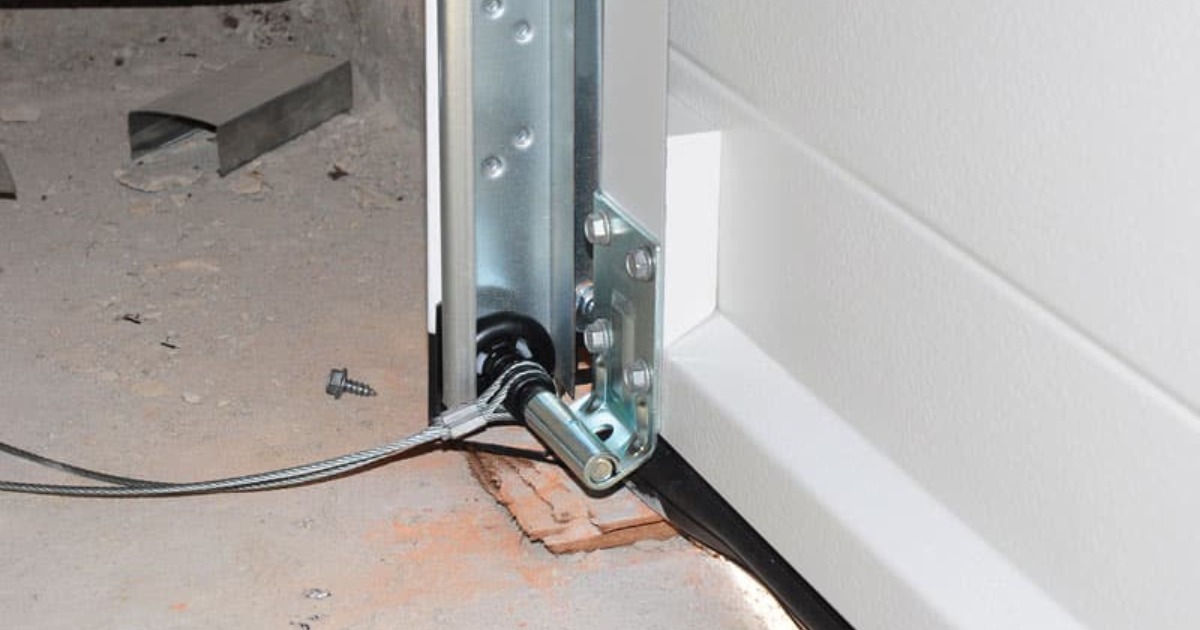
Garage door springs help balance the weight of the door. When they break or wear out, the door becomes heavy, making it difficult to open. A loud noise often indicates a broken spring. Torsion springs are under high tension, and attempting to repair them without the right tools can be dangerous. If a spring breaks, the entire system becomes unsafe.
For safety, always hire a professional to replace broken springs. If your garage door feels heavier or you hear a loud noise, contact a technician immediately. They will safely replace the springs and restore your door’s operation.
Track Misalignment and Obstructions
Garage door tracks allow the rollers to move the door smoothly. If the tracks become blocked or misaligned, the door may jam or appear uneven, and it could get stuck altogether. Damage can result from accidental impacts or from hardware loosening over time.
If your garage door is jammed or stuck, check for visible damage or obstructions in the tracks. Do not force the door to move. Signs of track issues include:
- Grinding or loud noises when the door opens or closes.
- Visible gaps between the tracks and rollers.
- The door is moving unevenly or appearing crooked.
- The door stops or slows down at a specific spot.
Misaligned tracks not only cause inconvenience but can also strain other parts of the system, leading to further damage. A professional can realign the tracks, replace damaged parts, and restore safe operation.
Sensor Problems and Safety Features
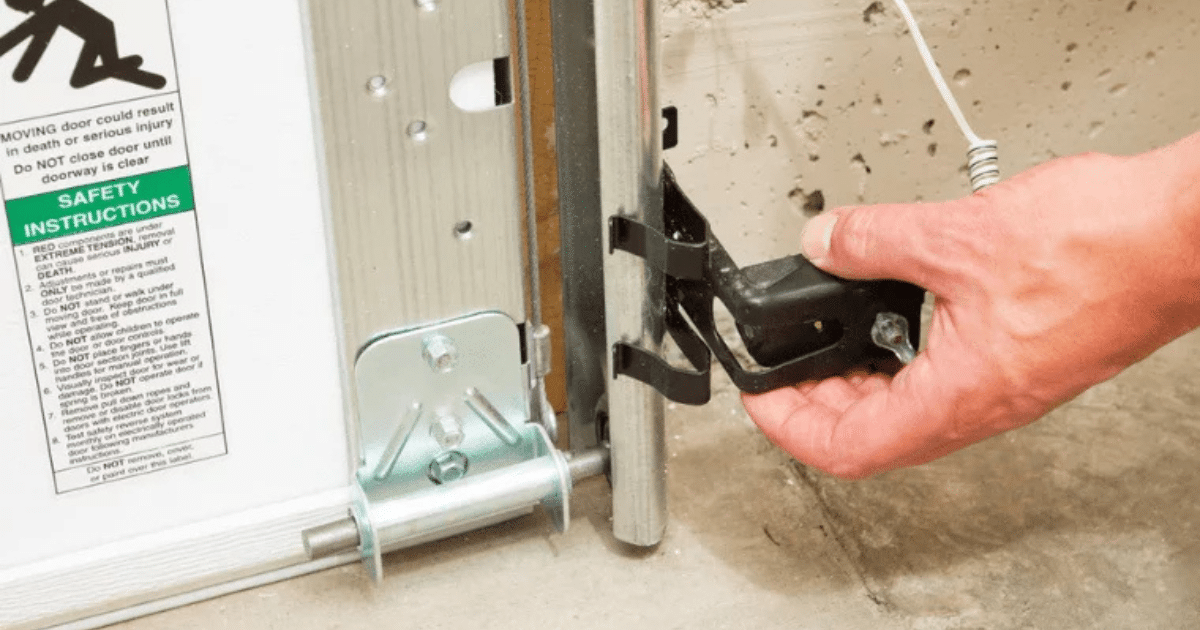
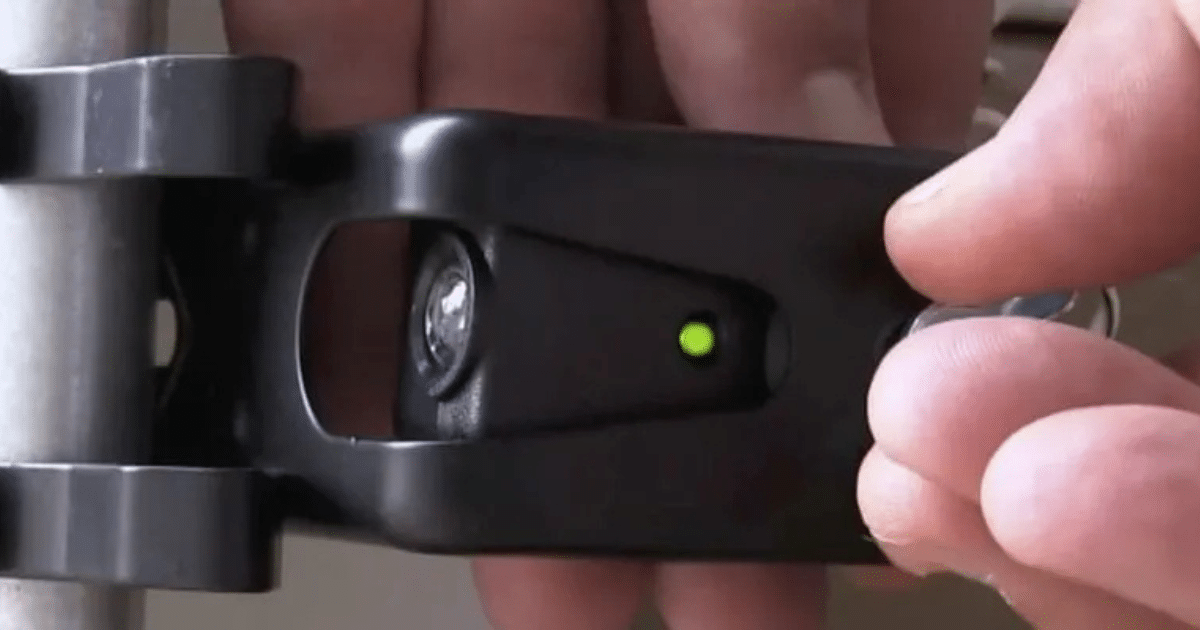
Modern garage doors are equipped with safety sensors that prevent the door from closing if an object is in its path. If the door won’t close, the sensors may be misaligned or blocked. Check the LED lights on the sensors. If the light is blinking or off, it’s likely that the sensors need realignment or cleaning. Dirt or sunlight can also interfere with the sensors.
If cleaning the lenses doesn’t help, call a professional to inspect and align the sensors. They’ll ensure your safety features are working properly, keeping your family safe.
Weather-Related Garage Door Challenges in Texas
San Antonio’s weather can affect garage doors. Cold temperatures cause metal parts to shrink, and thickened grease can strain the opener and springs. Moisture from rain or humidity can rust the tracks, hinges, and springs, weakening the door’s function over time.
To prevent issues, use durable materials and ensure proper installation to handle local weather conditions. A regular maintenance routine is essential for avoiding weather-related issues and ensuring your garage door functions properly year-round.
Problems with Garage Door Openers
The garage door opener is the heart of your garage door system. When it fails, your automatic garage door will only open and close manually. Problems can range from minor issues, such as an unresponsive remote, to more significant ones, like a motor running without moving the door. These issues can be frustrating, especially when they appear and then disappear.
1. Unresponsive Remote Controls
If your remote control stops working, the common issues include:
- Dead Batteries.
- Signal Interference
- Programming Issues
2. Garage Door Opener Repair for Motor Failures
The motor is a crucial component of your garage door opener. If the motor runs but the door doesn’t move, the issue could be a stripped gear or a loose trolley. If the motor doesn’t run at all, the problem may be electrical or due to overheating. These are significant issues that can render your garage door system inoperable.
- Wear and Tear: Years of use can cause the motor and other components, like gears and belts, to wear down, affecting the opener’s performance.
- Motor Failures: Attempting to fix these issues without proper knowledge can worsen the problem.
It’s essential to call a professional garage door technician if you suspect a motor issue. They will thoroughly inspect the unit, identify the root cause, and carry out the necessary repairs to restore the system.
3. Intermittent Operation and Connectivity Issues
Intermittent garage door problems, where the door works fine one moment and fails the next, are particularly frustrating. Common causes include:
- Loose wires.
- Faulty control boards.
- There are weak signals between the remote and the opener.
Diagnosing and fixing the underlying cause can be difficult, and attempting repairs yourself might not be safe. A technician can efficiently identify and address the problem using specialized tools, ensuring your garage door operates reliably and consistently.
To learn more about how timely professional service can prevent costly or unsafe situations, visit our blog “The Hidden Dangers of Delaying Garage Door Repairs in San Antonio.”
Noisy and Squeaky Garage Doors: What They Mean
If your garage door is making loud noises, like grinding, squeaking, or rattling, it’s more than just an annoyance. These sounds usually indicate that something is wrong with your garage door. While it could be as simple as needing lubrication, often, the noises signal a more significant mechanical issue. Ignoring these noises can lead to more important issues down the line.
For more expert advice on keeping your system in top condition, visit our blog “Maximize Lifespan with Effective Garage Door Maintenance.”
Here’s what you need to know:
1. Identifying Noises Linked to Rollers and Hinges
Rollers and hinges are key components of your garage door, moving frequently as the door opens and closes. Over time, these parts can wear out or become damaged, causing noises like screeching or grinding as the door moves along its tracks. Here’s what to look for:
- Signs of Wear:
- Cracked or flat rollers.
- Hinges with visible rust or damage.
- Persistent squealing that doesn’t go away after lubrication.
- A jerking or shaking motion as the door moves.
While adding lubrication may temporarily reduce noise, it’s not a permanent solution if the parts are worn out. Regular maintenance can help extend the life of your rollers and hinges; however, when they are beyond repair, professional replacement is necessary to restore smooth and quiet operation.
2. Loose Hardware and Vibrations
As your garage door moves, parts can become loose over time, leading to rattling sounds. Loose bolts, nuts, or other hardware on the tracks, hinges, or opener brackets can cause these vibrations. While it may seem like a minor issue at first, if left unaddressed, loose hardware can lead to more severe problems:
- Tracks may get misaligned.
- The opener motor could wear out prematurely.
- Parts may fall off, creating safety hazards.
To prevent these issues, it’s essential to address rattling sounds early. A qualified technician can tighten all loose components during a routine service, helping to avoid further damage and ensuring your garage door system remains safe and functional.
3. Absence of Regular Garage Door Maintenance
Many garage door issues, including loud noises, arise from a lack of regular maintenance. Like any machine, your garage door requires routine upkeep to ensure it operates smoothly. Neglecting maintenance can lead to:
- Drying up of grease on moving parts.
- Rapid wear and tear on components.
- Accumulation of minor issues that eventually lead to breakdowns.
Regular maintenance helps extend the life of your garage door and keeps it running efficiently. During a maintenance check, a technician will lubricate moving parts, tighten loose components, inspect spring tension, and test safety features to ensure the equipment is functioning correctly. This proactive care helps prevent unexpected repairs and ensures the door operates smoothly year after year.
Issues With Door Movement: Stuck, Uneven, or Reversing Doors
If your garage door is stuck, moves unevenly, or reverses unexpectedly, there’s likely an issue with the system. Common causes include track blockages or sensor issues. These issues not only worsen door function but can also pose safety risks. While it’s essential to determine the cause of the problem, it’s often best to consult a garage door technician for assistance.
Diagnosing and Addressing Stuck or Jammed Roll-Up Garage Doors
A stuck or jammed roll-up garage door can be caused by simple obstructions in the tracks or more complex issues, such as a broken torsion spring. If your door is stuck, avoid using the opener, as it may cause further damage. You can begin with a visual inspection to check for any visible blockages or damage; however, many issues require professional attention. A technician can identify the exact cause and safely repair the door, whether it’s the tracks, springs, or opener.
Potential Cause of Stuck Door | Common Symptoms |
Obstruction in Tracks | The door stops abruptly at a specific point. |
Broken Torsion Spring | A loud bang is heard; the door is extremely heavy. |
Misaligned Tracks | The door appears crooked and binds in the tracks. |
Damaged or Snapped Cables | One side of the door hangs lower than the other. |
Reasons Behind Unexpected Door Reversal
A garage door that unexpectedly reverses when issues with the safety sensors usually causes the door to close. If the sensors are misaligned or dirty, they can falsely detect an obstruction, causing the door to reverse for safety. Another common reason is the setting that controls the amount of force the door should use to close. If this setting is too low, the opener might think it’s hitting something when it’s just the normal resistance from the tracks, causing it to reverse. This problem can be more frequent in extreme temperatures, which affect the door’s movement by changing the friction levels. For more information on garage door maintenance, visit Wikipedia.
Most of these issues are related to the safety sensors or the force settings. These should be checked and adjusted by a professional. A skilled technician can realign the sensors, change the closing force, and inspect the tracks for any other issues that may cause the door to reverse unnecessarily.
Preventive Maintenance Tips for San Antonio Homeowners
Preventive maintenance is the best way to avoid garage door problems. Regular check-ups from a technician can catch minor issues early, saving you money and reducing the chances of breakdowns. During these visits, the technician will check for wear, lubricate moving parts, tighten loose components, test the door’s balance, and inspect the cables and springs. For additional safety tips, you can refer to resources like those found at The National Association of REALTORS®.
If you’re unsure when to call a professional, booking an annual visit is a great way to stay proactive and maintain your property’s health. Being proactive with regular maintenance ensures your garage door runs smoothly, lasts longer, and helps prevent issues.
Regular maintenance also makes your garage door safer. A trusted technician can spot problems you might miss, like faulty springs or fraying cables. By keeping up with maintenance, you help protect your home’s entryway and maintain the value of your garage door.
Lincoln Garage Doors is committed to helping homeowners maintain their garage doors in optimal condition. Our experienced technicians provide expert repair, installation, and maintenance services designed to enhance safety, reliability, and performance. Whether you’re dealing with noisy operation, broken springs, or want to upgrade to a modern garage door system, our team delivers prompt, professional service you can trust. Contact us today to schedule your garage door service or request a free estimate, and let our team keep your home secure and your door running like new.
Frequently Asked Questions
How do I know if my garage door problem is electrical or mechanical?
If your garage door opener does not light up or make any sound, the issue is most likely with the power supply, which suggests an electrical problem may be present. If the motor works but the door does not open or shut, then this is a mechanical issue in your garage door system. You should hire a garage door technician to inspect the issue. They will identify the issue with your door opener and make the necessary repairs, allowing you to use your garage door without any problems.
When should I contact a professional for garage door spring repair or opener issues?
You should call a garage door technician if you have trouble with the torsion springs. These springs are under high tension and can cause serious injury if you try to fix them on your own. If your garage door opener is not working and simple troubleshooting does not resolve the issue, a professional can assist you with a safe garage door repair. They can also handle emergency garage door repairs.
What risks are involved with delaying garage door repair or maintenance?
Delaying repairs can cause further damage to the garage door system. It will also increase safety hazards for everyone. Even if the problem seems small, it can escalate into a serious issue. The garage door might come off its tracks, or a spring could snap all of a sudden. You need prompt repairs to keep your garage door safe and secure.
What are some common garage door repair problems?
Common garage door problems include malfunctioning openers, misaligned tracks, broken springs, and worn-out cables. Additionally, sensors may fail or become obstructed, causing doors to reverse unexpectedly. Regular maintenance can help prevent these issues and ensure your garage door operates smoothly and safely for years to come.
Why does my garage door stop halfway when opening or closing?
Your garage door may stop halfway if something is blocking the garage door tracks. Sometimes, the travel limits on the garage door opener are not set correctly and can cause this issue. There might also be an issue with the garage door cables becoming stuck. According to the International Door Association, the springs may be losing tension, causing the door opener to work harder than usual.
What steps should I take to repair a garage door that experiences intermittent issues?
For minor problems that occur intermittently, it’s helpful first to check the batteries in your garage door remotes. Some issues may be complex to identify or result from faulty electrical components. Because of that, it is a good idea to call a garage door technician. They can identify any issues and ensure your door’s operation is safe and reliable.
What should I do if my roll-up garage door is stuck or jammed?
If you find that the garage door is stuck, start by inspecting the door tracks for any visible damage or obstructions that may be blocking it. Do not try to force the garage door open or closed. The best course of action is to call a garage door technician. They know how to identify the issue and can fix it safely for you.
Why does my garage door close a little, then go back up?
The safety sensors are usually the cause of this common issue with a garage door not closing correctly. Sometimes, the sensors are blocked, dirty, or misaligned. You may also need to adjust the close-force settings to ensure the door operates smoothly.
What’s the average lifespan of a garage door?
The lifespan of your garage door is typically 15 to 30 years. It depends on the material and your location. The amount of regular maintenance you do also matters. By staying on top of garage door maintenance, you can make it last longer. If it gets damaged, you may need to replace the garage door or install a new panel sooner.
What are the common causes of garage door problems?
Common garage door problems often occur due to signs of wear on parts, such as springs or rollers. The garage door system can also malfunction if the garage door installation was not done correctly or if there is any damage. Sometimes, cold weather makes things worse. Sensor misalignment is another potential issue that can occur. Many of these problems may require garage door repair from someone who knows how to do it properly.