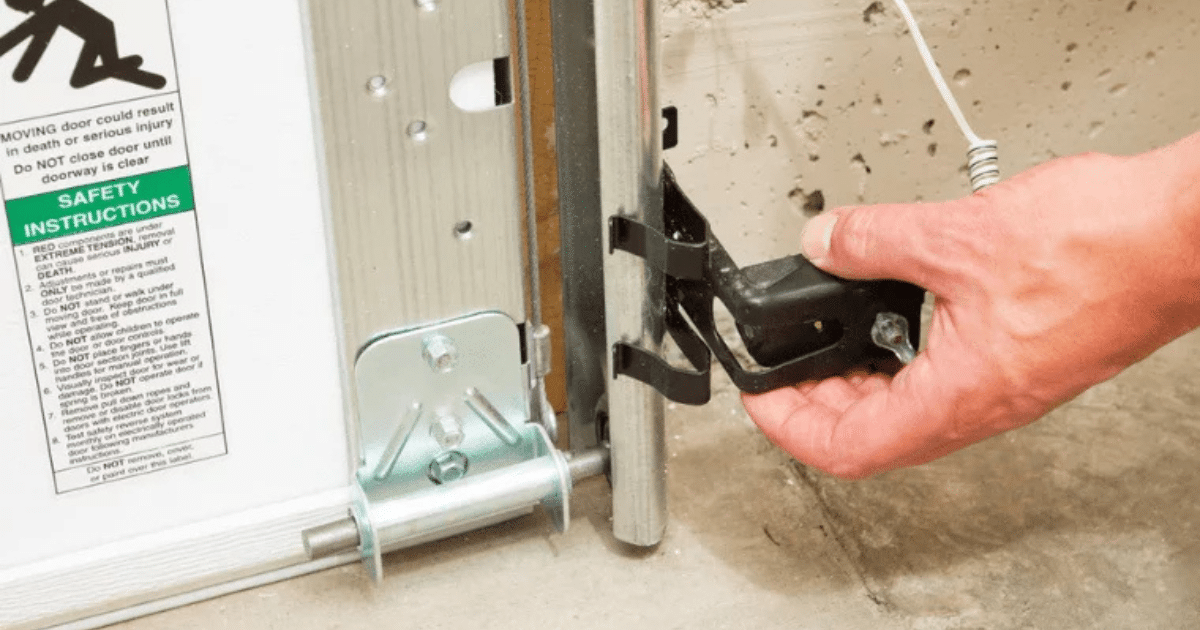
Replacing garage door seal is a crucial step in preserving the integrity of your garage. It not only protects your garage from outside elements like rain and pests but also helps maintain energy efficiency by preventing air leaks. An old or broken seal may lead to increased energy bills and avoidable repair expenses.

When you see gaps, wear, or obvious damage on your garage door seal, it’s time to act. Replacing the garage door seal is a simple yet effective DIY project that can immediately improve your garage’s functionality and appearance. Using a few simple tools and some time, you can improve your garage’s insulation and protection.
Why Replacing the Garage Door Seal is Crucial
Replacing the garage door seal is essential for several reasons. A proper seal helps enhance energy efficiency, security, and the overall look of your garage. Let’s explore why it’s so important.
Energy Efficiency
A damaged garage door seal allows air to leak in and out, causing your heating and cooling systems to work harder. By replacing the seal, you will improve insulation and reduce energy costs, keeping your garage and home comfortable year-round.
Security
Old or damaged seals create openings that let pests, water, and debris into your garage. Replacing the garage door seal ensures your garage stays secure by preventing unwanted intruders and moisture from causing damage.
Enhanced Curb Appeal
A new, properly installed seal gives your garage a polished, well-maintained appearance. This simple fix not only improves the look of your garage door but also boosts your home’s curb appeal, making it look more inviting.
Understanding the Different Types of Garage Door Seals
It’s important to understand the various types of garage door seals to make the best choice for your home. Let’s explore the different options to help you make an informed decision.
Vinyl Seals
Vinyl seals are flexible and durable, offering a tight fit that prevents drafts, moisture, and debris. They are perfect for standard garage doors and provide long-lasting protection while being cost-effective and easy to install.
Rubber Seals
Rubber seals are ideal for harsh climates and offer excellent weather resistance. They endure extreme temperatures, making them perfect for areas with heavy rain, snow, or freezing conditions, ensuring your garage stays protected year-round.
Foam Seals
Foam seals are an affordable option for boosting your garage’s energy efficiency. Though not as durable as vinyl or rubber, foam provides excellent insulation, preventing drafts and saving energy, making it a great choice for budget-conscious homeowners.
T-Style vs. J-Style Seals
The choice between T-style and J-style seals depends on your garage door’s design. T-style seals are best for doors with a built-in track, while J-style seals work for standard doors without tracks, both providing solid protection against the elements.
What You Need to Replace the Garage Door Seal
Replacing garage door seals can be a simple DIY task when you have the right tools and materials. Here’s a guide on what you will need to get started.
Tools Required
- Hammer
- Utility knife
- Measuring tape
- Adhesive (optional)
- Gloves (for hand protection)|
Materials
- Vinyl, rubber, or foam garage door seal (based on your choice)
- Correct size seal, measured according to your garage door dimensions
Step-by-Step Guide to Replacing Your Garage Door Seal
Replacing garage door seals is a straightforward process that can boost energy efficiency and protect your garage. Here’s a step-by-step guide to help you complete the task.
Step 1: Measure the Existing Seal
Measure the length of the old seal using a tape measure. This ensures you purchase the correct size of the new seal material, which is essential for a proper fit and secure installation.
Step 2: Remove the Old Seal
Use a utility knife to gently slice and take off the old seal. Take your time to avoid damaging the door frame and ensure all debris and adhesive are cleaned off for a smooth installation.
Step 3: Prepare the Surface
Clean the door frame with a damp cloth to remove dirt, dust, and old adhesive. This step is essential to ensure the new seal adheres properly and fits snugly against the frame.
Step 4: Install the New Seal
Install the new seal by clipping, gluing, or sliding it into place, depending on the type of seal. Ensure it’s properly aligned and securely attached to avoid gaps or loose sections.
Step 5: Test the Seal
Close the garage door and check for gaps or uneven areas. Make any necessary adjustments to ensure a tight, effective seal that maximizes energy efficiency and security.
Tips for Maintaining Your Garage Door Seal

Maintaining your garage door seal is key to ensuring it lasts longer and performs effectively. Use these easy tips to maintain your seal and prevent expensive repairs down the line.
Regular Inspections
Inspect your garage door seal regularly for any damage, such as cracks, tears, or gaps. Identifying and fixing small issues early can prevent larger, more expensive problems, ensuring your garage stays secure and energy-efficient.
Cleaning and Care
Clean your garage door seal every few months using a mild soap solution and a soft cloth. Avoid harsh chemicals, as they can break down the material and shorten the lifespan of your seal.
Preventing Damage
To extend the life of your seal, protect it from extreme weather, moisture, and heavy impacts. Keep the garage door functioning properly to prevent unnecessary strain on the seal, ensuring long-lasting protection for your garage.
Common Problems and Troubleshooting
Garage door seals are vital for maintaining energy efficiency and security. Still, problems may develop either during setup or as time goes on. Here’s how to troubleshoot and fix common problems.
Seal Is Not Fitting Properly
If the seal isn’t fitting properly, try adjusting it or reapplying it. Sometimes, seals can become misshapen during installation. If the problem persists, ensure that the seal you bought is the correct size and material for your door.
Gaps in the Seal
If you notice small gaps in the seal, you can use additional material to fill them in. Use weatherstripping or foam to create a better fit and ensure the seal is tight against the door.
Damage After Installation
If the seal gets damaged soon after installation, it may be due to improper installation or the wrong type of material. Double-check the installation instructions or consider using a more durable material to prevent further damage.
By following these troubleshooting tips, you can ensure your garage door seal remains in top condition, offering protection and energy efficiency. Don’t hesitate to replace or adjust the seal as needed to maintain your garage’s security and comfort.
FAQs About Replacing Garage Door Seal
What’s the best way to measure my garage door when getting a new seal?
Measure the bottom edge and both sides of your garage door. This will give you the exact dimensions needed to purchase the correct size seal that fits properly and ensures an airtight seal.
Can a damaged seal cause water to enter my garage?
Yes, a damaged seal can allow water to seep in, especially during heavy rain or snow. Replacing the garage door seal will prevent water from entering, protecting your garage and belongings from water damage.
Can a new garage door seal help keep pests out?
Installing a new garage door seal helps keep out pests like rodents, insects, and other small creatures. It is an effective solution to maintain a pest-free garage by sealing any gaps or openings.
Is it possible to replace the seal on a tilt-up style garage door?
Yes, you can replace the seal on a tilt-up garage door. Simply follow the same steps as with any other door, remove the old seal, and install a new one to ensure a proper fit and seal.
Conclusion
Replacing garage door seal is an essential step in maintaining your home’s energy efficiency and security. By following the simple steps outlined in this guide, you can ensure your garage stays well-protected from pests, moisture, and drafts. Installing a new garage door seal helps maintain the comfort level inside your home.
When you replace your garage door seal, you not only improve your garage’s functionality but also boost its curb appeal. A new seal provides a fresh, clean look, adding value to your home while preventing energy loss. If you’re unsure about doing it yourself, professionals can assist with garage door repair and installation in San Antonio, TX.
For those who prefer professional assistance, Lincoln Garage Doors is here to help. Our team of experts is ready to offer reliable and efficient service. Don’t wait until your seal becomes a bigger problem, contact us today and enjoy a more secure, energy-efficient garage!
End Note
At Lincoln Garage Doors, we offer a wide range of garage door services designed to improve the efficiency and security of your home or business. Whether you need a residential or commercial garage door solution, we’re ready to help. Explore our services to find the perfect fit for your needs, from installations to replacements.
Our team is skilled in garage door repair, garage door spring repair, and garage door openers. We also provide expert panel replacement, new garage doors, and maintenance services. If you need help outside regular hours, we are available with 24/7 emergency garage door services.
For more information about us, visit our About Us page and check the cities we serve. Don’t forget to explore our gallery and before-and-after photos to see our work in action. Ready to get started? Visit our Contact Us page to book an appointment online today!
Lincoln Garage Doors LLC
6335 Camp Bullis Rd Ste 18, San Antonio, TX 78257, United States
+12104058225