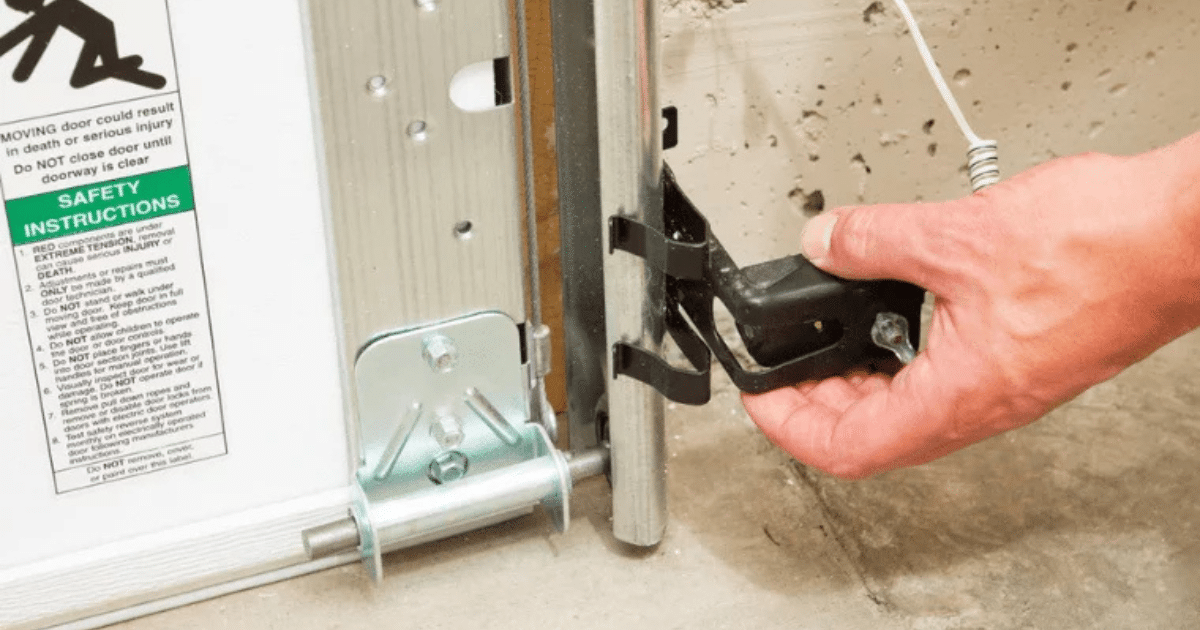
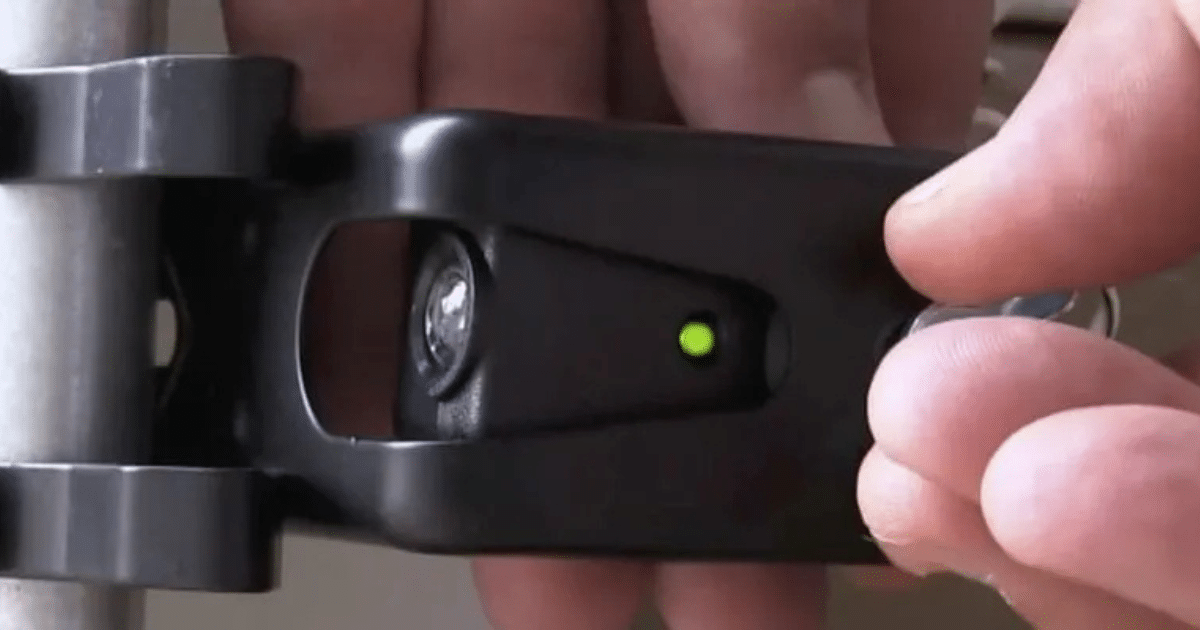
Learn how to change garage door springs safely and effectively with expert tips every homeowner should know.
A broken spring is often the root cause of your garage door’s inability to function smoothly. Understanding how to change garage door springs is essential for restoring access and safety. However, garage door springs are under extreme tension, and attempting a DIY fix without proper knowledge can lead to serious injury or property damage. That’s why assessing whether you’re truly prepared for such a complex repair is crucial.
This guide covers everything you need to know, from identifying the spring type to step-by-step instructions and safety precautions. If you’re a confident DIYer, the process outlined here can help you tackle the job carefully. But if you’re unsure or want expert help, Lincoln Garage Doors offers reliable, professional service for spring replacements. Their team ensures your repair is handled quickly, safely, and with long-lasting results.

Understanding Garage Door Springs
Garage door springs are critical in counterbalancing the door’s weight, making it easy to lift manually or with an opener. There are two primary types of springs: torsion springs and extension springs.
Torsion springs are mounted above the garage door and twist to provide lifting force. Extension springs run along each door side and stretch to lift it as it opens. How Springs Work in Your Garage Door System.
Lifting the Weight of the Door
Garage door springs do the heavy lifting, effortlessly raising and lowering the door. Without them, the opener would struggle to move the door independently.
Balancing Tension
Correct tension keeps your garage door balanced during movement. It prevents the door from slamming shut or jerking open too quickly, protecting the mechanism and anyone nearby.
Preventing Sudden Drops
Working springs slow the door’s descent, reducing the risk of dangerous, sudden falls. This helps protect your vehicle, your family, and the door from serious injury or damage.
Warning: Why Changing Garage Door Springs Can Be Dangerous
Garage door springs are tightly wound and under significant pressure. Mishandling them can result in serious injuries, including hand lacerations, broken fingers, or worse. This is especially true for torsion springs requiring precise unwinding and winding using the correct tools.
Only attempt to replace your springs if you’re experienced in mechanical garage door repairs and understand the risks. Otherwise, calling in professionals like Lincoln Garage Doors is not only smart but also the safest option.
Signs Your Springs May Need Replacing
Loud Snapping or Popping Noises
Snapping or popping sounds can signal a broken spring. These noises often happen when the spring suddenly gives out, releasing built-up tension that supports your garage door’s lifting mechanism.
The Door Won’t Open or Close Too Quickly
The spring may have failed if your garage door slams shut or won’t open properly. Springs balance the door’s weight, and a broken one removes the tension needed for smooth movement.
Visible Gaps in the Spring Coil
A gap between coils means the spring has snapped. Torsion springs are tightly wound, and any space in the coil is a sign of failure and should be addressed immediately for safety.
Loose Safety Cables or Drooping Side Mechanisms
Slack or drooping safety cables usually indicate a problem with the extension springs. These cables prevent injury if the spring breaks, so visible looseness signals it’s time for inspection or replacement.
Step-by-Step: How to Change Garage Door Springs
Whether you’re troubleshooting or ready to get hands-on, here’s a comprehensive breakdown of changing garage door springs. Proceed only if you’re confident in your skills and equipped with the right tools.
Tools You’ll Need
- Winding bars (for torsion springs)
- Vice grips
- Safety glasses and gloves
- Socket wrench set
- Ladder
- Replacement springs (matched to your garage door’s size and type)
Safety First: Prep Before You Start
- Disconnect the power to your garage door opener.
- Clap the door in place to prevent movement.
- Wear proper protective gear, especially gloves and safety glasses.
- Double-check that your new springs match the existing type.
Step 1 – Remove the Broken Spring
- Insert winding bars into the spring cone.
- Slowly loosen set screws while holding tension with the bars.
- Carefully unwind the spring.
- Detach it from the center bracket and obliterate it.
Step 2 – Install the New Spring
- Mount the spring to the center bracket.
- Use winding bars to apply the correct number of turns.
- Tighten the set screws securely.
- If your system uses them, reconnect the safety cables.
Step 3 – Test the Door
- Remove clamps and ensure the door is clear of obstructions.
- Open and close the door manually to check the balance and tension.
- Reconnect the garage door opener.
- Perform several test runs to verify smooth, consistent operation.
When to Call Lincoln Garage Doors Instead
Some situations simply aren’t worth the risk. Here’s when you should stop and call the experts at Lincoln Garage Doors:
- You’re unsure about your spring type or size
- The garage door feels unusually heavy
- You observe additional damage to cables or hardware
- You’ve attempted a DIY repair, but the door still won’t function
Incorrect spring installation or tension calibration can reduce the lifespan of your garage door system and pose long-term safety issues. In these cases, Lincoln Garage Doors offers professional service backed by local trust.
How Lincoln Garage Doors Ensures Safe, Lasting Repairs
Choosing Lincoln Garage Doors means choosing peace of mind. Here’s what sets their service apart:
- Licensed Technicians trained in safe spring replacement methods
- Access to high-quality, warrantied parts suited for your door mode.
- Precision calibration of tension to ensure smooth, balanced door motion
- Fast response times and personalized, local service
Whether it’s a simple spring replacement or a full system inspection, Lincoln Garage Doors delivers reliable repairs that last. With their professional touch, you won’t have to worry about your garage door causing issues again anytime soon.

FAQ: How to Change Garage Door Springs
How Do I Know if My Garage Door Springs Need Replacing?
Signs that your garage door springs need replacing include difficulty opening the door, a loud bang from the garage, visible gaps in the spring coil, or an unbalanced door. If your door feels heavy or doesn’t open smoothly, it’s likely time to inspect and replace the springs for safety and function.
Which Direction to Wind Garage Door Spring?
The winding direction depends on the spring type. Torsion springs are wound upward, clockwise for left-hand springs and counterclockwise for right-hand springs. Always ensure you use the correct method based on your door’s configuration. Improper winding can damage the system or lead to personal injury.
What Happens If You Put the Wrong Spring on a Garage Door?
Using the wrong spring can unbalance the new garage door, making it unsafe and more complicated. The door may not stay open, slam shut unexpectedly, or strain the opener. Mismatched spring strength or size can cause long-term damage to the entire door system and should be corrected immediately.
How do you tell if garage door springs are adjusted properly?
Properly adjusted springs allow the door to open halfway without rising or falling. If the door is balanced, it should open and close smoothly without jerking or struggling. Unusual noises or difficulty operating the door indicate your springs may be improperly tensioned and need adjustment.
Conclusion
Learning how to change garage door springs can empower homeowners to understand their garage system better. While this guide offers a clear path for those with experience, it’s essential to recognize the risks. Springs are under high tension, and even minor mistakes can lead to injury or system failure. If you’re unsure or lack the proper tools, contacting a qualified technician is always the safer option.
For reliable results and long-term peace of mind, trust Lincoln Garage Doors. Their experienced team handles every detail—from spring calibration to safe installation—with expert care. Whether you’re facing worn-out torsion springs or just want it done right the first time, their professional services ensure safety and efficiency. Regarding how to change garage door springs, Lincoln Garage Doors offers the dependable support homeowners need most.
End Note
Lincoln Garage Doors is your trusted partner for spring replacements, expert inspections, and safe garage door repairs. Whether you need residential or commercial solutions, their experienced technicians are here to help. Explore their full range of services and view their project gallery to see the quality of their work firsthand.
For a smooth, hassle-free experience, visit their homepage or learn more about the team. Read real customer reviews, explore their residential and commercial options, or contact Lincoln Garage Doors today to schedule your service. You can also follow them on X (Twitter) for updates, tips, and support.
Lincoln Garage Doors LLC
6335 Camp Bullis Rd Ste 18, San Antonio, TX 78257, United States
+12104058225