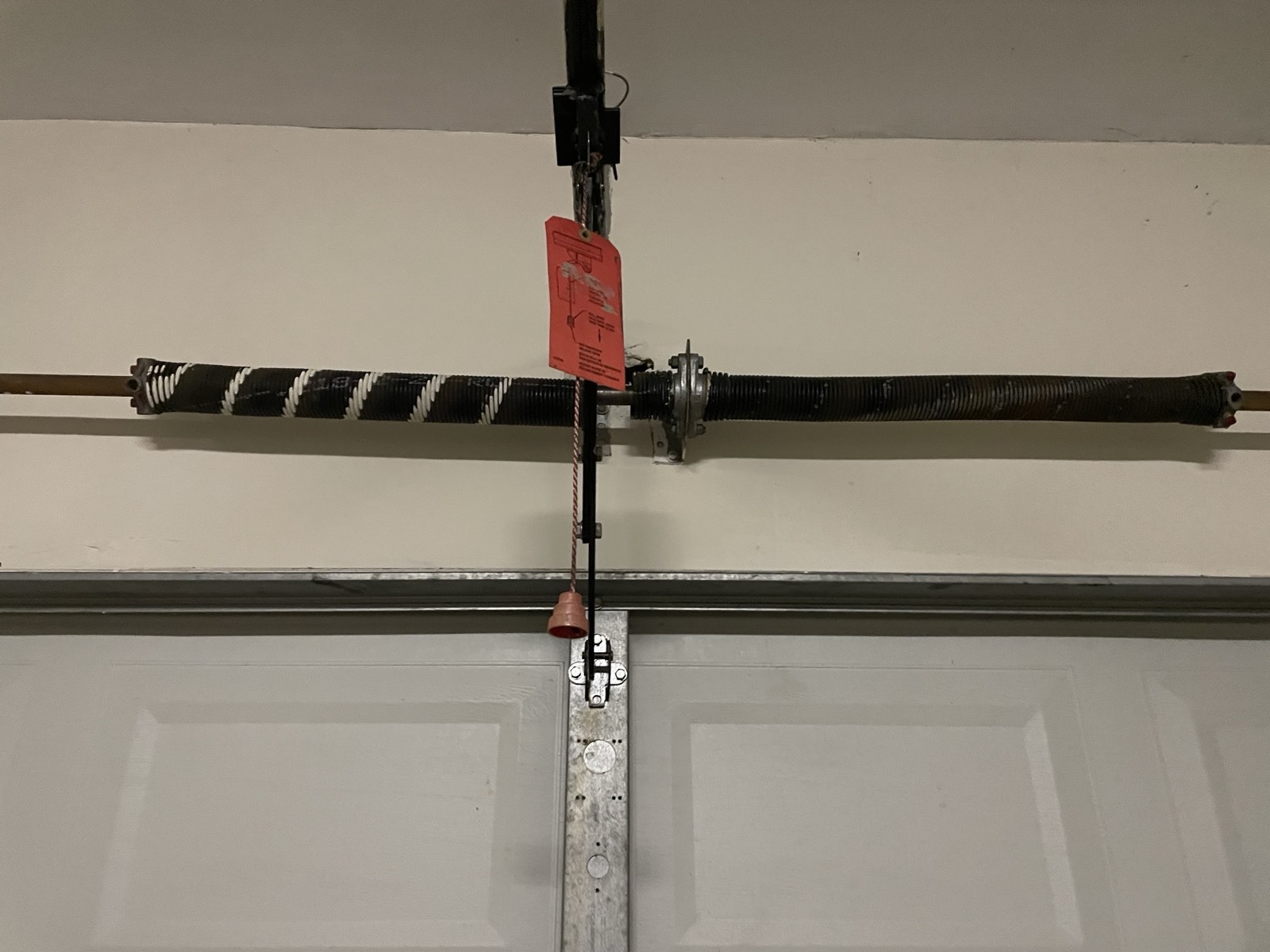
Garage door springs are the backbone of the entire door system, and when they begin to wear down, the door will start showing signs that something is wrong. These warning signs are direct indicators that the spring system needs immediate attention from a professional before the problem affects other components.
A broken or failing spring puts stress on every connected part of the garage door, from the cables to the opener to the tracks. Knowing what these signs look like and what they mean is the first step toward getting the right garage door spring repair before the damage spreads to the rest of the system.
Why Is It Important to Know the Signs of a Failing Garage Door Spring?
Garage door springs operate under constant tension, and when that tension shifts, the entire door system feels the impact across every connected component that depends on them for proper functioning.
Here is why knowing the signs of a failing garage door spring is important:
- Early detection prevents a spring issue from turning into a full system breakdown.
- It gives homeowners time to schedule a repair before the door becomes completely inoperable.
- A failing spring shortens the service life of the opener, cables, rollers, and tracks.
- Acting on the signs early reduces the overall garage door spring repair cost.
- A door with a failing spring is unpredictable and poses a real risk to anyone nearby.
To understand what happens when these warning signs go ignored, read our guide on Can a Garage Door Be Lifted With a Broken Spring?, which covers the real risks of operating a door with a compromised spring system.
Warning Signs That Your Garage Door Spring Needs Repair
Sudden Loud Bang or Pop Coming From the Garage
Torsion springs store an enormous amount of tension, and when one snaps, the release of that energy produces a sound that stops everything.
Watch for these indicators:
- Sound is sudden and comes directly from the garage ceiling area
- The door stops working immediately after the noise occurs
- No visible obstruction is present when the opener fails to respond
- Manually lifting the door feels extremely heavy right after the sound
- Spring coils show a visible gap or separation above the closed door
Garage door spring repair becomes necessary the moment that sound occurs, and continuing to operate the door afterward puts the entire system at risk.
Unusually Heavy Door That Refuses to Open
Spring tension is what makes a garage door feel manageable during operation, and without it, the full dead weight of the door falls on every other component.
Look out for these signs:
- The door feels significantly heavier than normal when lifted manually
- Opener motor strains, hums loudly, or fails to complete the opening cycle
- Emergency release cord disengages, but the door still will not budge
- Cables appear slack or loose on one or both sides of the door
- The door moves only a few inches before stopping completely
An unusually heavy door is a direct indicator that broken garage door spring repair is needed immediately.
Uneven or Crooked Movement During Operation
Balanced spring tension keeps both sides of the door moving in sync, and when that balance is disrupted, the door will visibly show it during every cycle.
Notice these patterns:
- One side of the door rises higher or faster than the other
- The door appears tilted or crooked at the halfway point of operation
- Tracks show signs of scraping or unusual friction during movement
- Rollers jump or skip along the track instead of moving smoothly
- Opener struggles to complete the cycle and reverses automatically
A professional garage door repair technician can determine whether one or both springs are causing the uneven movement.
Visible Gap or Separation in the Coiled Spring
A snapped torsion spring will always leave physical evidence, and a visible gap in the coil is the clearest confirmation that the spring has fully failed.
Look for these specific details:
- A gap of one inch or more appears in the coiled section above the closed door
- Coils on either side of the break look uneven or misaligned
- Spring sits along the torsion tube but appears separated in the middle
- Both sides of the broken spring may sag slightly away from the center bracket
- Surrounding hardware, such as cables and drums, may also appear displaced
Professional assessment is the only way to confirm the full extent of the damage once a visible gap appears in the spring.
Door Closing Too Fast or Dropping Heavily
Without spring tension to absorb the door’s weight during descent, the door drops at a speed that puts everything beneath it at risk.
Watch for these warning patterns:
- The door descends much faster than its normal closing speed
- Bottom panel hits the ground with a heavy impact instead of settling gently
- Opener struggles to slow the door during the closing cycle
- Cables go slack immediately as the door drops
- Bottom weatherstripping or panels show signs of impact damage
Dropping doors places extreme stress on the bottom panel, the opener drive system, and the cables, making prompt broken garage door spring repair critical.
Loose, Slack, or Detached Cables
Garage door cables and springs function as a connected system, and a broken spring immediately removes the tension that keeps the cables properly wound and taut.
Identify these cable-related signs:
- Cables hang loosely along the sides of the door instead of sitting taut
- One or both cables have completely unwound from the drum
- Cable pile-up is visible on the floor near the bottom corners of the door
- Fraying or kinking appears along the cable length due to sudden tension loss
- The door sits unevenly at the bottom because one cable has fully detached
Slack cables are a direct result of spring failure, and a professional technician needs to address both the spring and the cables together during the repair.
Unexpected Reversal or Stopping Mid-Operation
A failing spring creates mechanical drag that pushes the opener beyond its designed load range, triggering an automatic stop or reversal.
Notice these opener behavior patterns:
- The door begins opening, but stops abruptly without completing the cycle
- The garage door opener reverses the door back down immediately after activating
- No physical obstruction is present when the reversal occurs
- Opener light flashes repeatedly, signaling a detected resistance error
- Manual operation confirms the door is far heavier than it should be
Repeated auto-reversals without an obvious cause point directly to a spring tension problem that requires assessment by a professional technician.
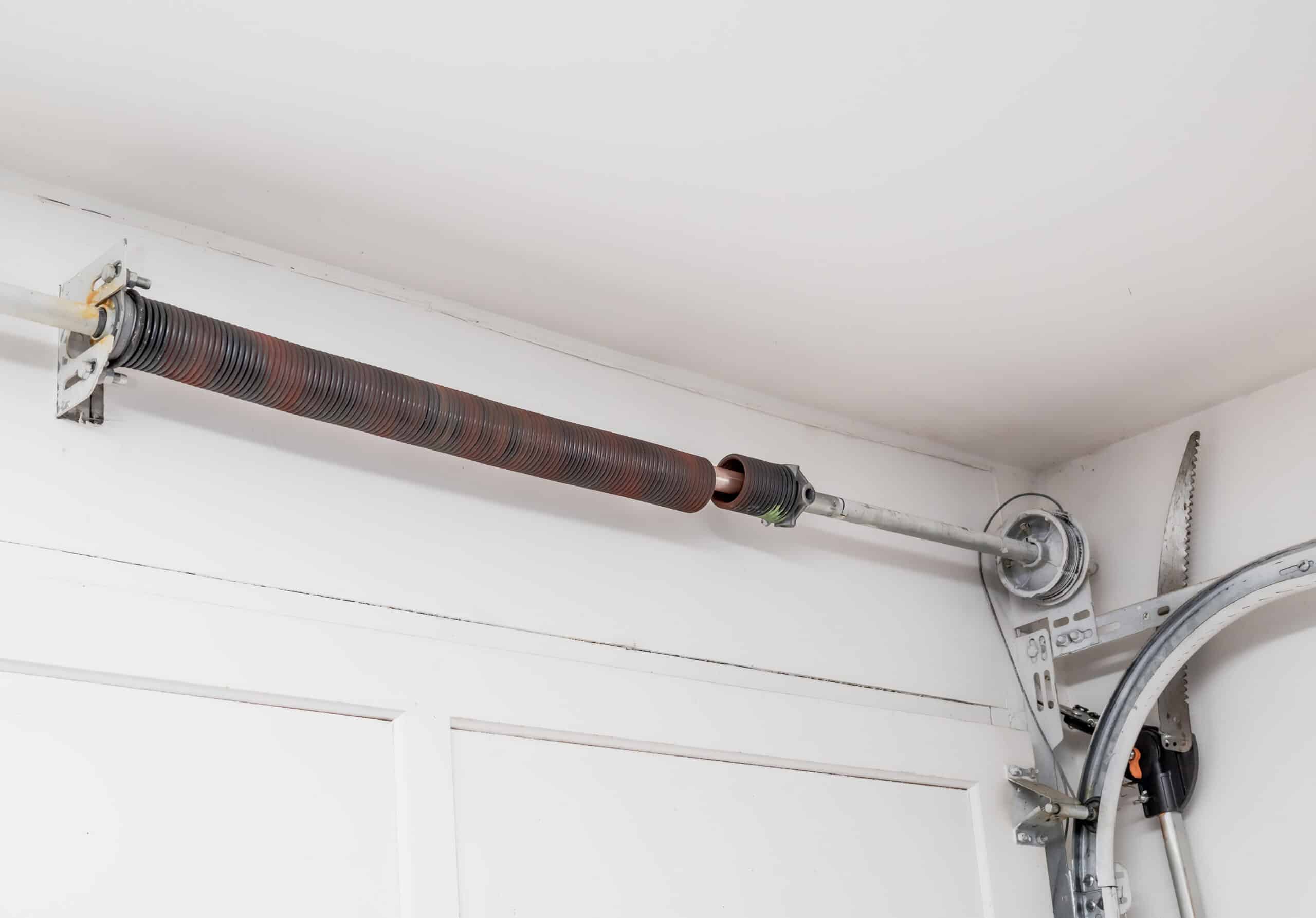
Rust, Corrosion, or Visibly Worn-Out Springs
Heat and humidity accelerate rust and corrosion on garage door springs, and San Antonio homeowners deal with those conditions year-round.
Watch for these visual indicators:
- Reddish-brown rust coating appears along the coils of the spring
- Coils look stretched, thinned, or unevenly spaced compared to a new spring
- Extension springs show visible elongation beyond their original length
- Surface corrosion has caused the spring to lose its original metallic finish
- Rust flakes or residue appear on the floor directly beneath the spring
Rust weakens both torsion and extension springs over time, and garage door repair spring replacement becomes necessary before the coils snap.

What Happens When These Warning Signs Go Unaddressed
Warning signs that go unaddressed stop being minor issues and start affecting parts of the garage door system that were never part of the original problem.
Here is what happens when these signs are left unaddressed:
- Opener carries the full door weight, leading to motor burnout and premature failure.
- Cables lose tension, fray, and increase the risk of a sudden snap during operation.
- Rollers and tracks wear down faster due to uneven loads across the system.
- Panels crack or warp from repeated impacts, and in severe cases, a new garage door may be required.
- The door becomes unpredictable and poses a real danger to anyone nearby.
To find out what drives these mechanical failures in the first place, read our guide on What Causes Garage Door Spring Repair Issues?, which explains how daily wear, environmental conditions, and improper use break down the spring system over time.
How to Check Your Garage Door Springs for Early Warning Signs
Knowing what to look for during a basic check helps homeowners identify spring problems before the door stops working entirely.
Here is what to check:
- Look above the closed door for visible gaps, rust, or uneven coils on the torsion spring.
- Check both door tracks for extension springs that appear stretched or disconnected.
- Pull the emergency release cord and lift the door to waist height to test the balance.
- Listen for grinding, squeaking, or popping sounds during each cycle.
- Watch the opener for signs of strain, hesitation, or repeated auto-reversals.
Consistent issues during any of these checks are a strong signal that professional garage door spring repair is needed.
When It’s Time to Call a Garage Door Spring Repair Professional in San Antonio
Knowing when to call a professional keeps a spring problem from escalating into a full garage door system failure.
Here is when to call a professional:
- The door shows multiple warning signs, but still partially operates.
- Spring has completely snapped, and the door is stuck or immovable.
- The manual balance test confirms that the door drops without spring support.
- Cables are visibly slack, detached, or unwound from the drum.
- Opener repeatedly strains, reverses, or fails to complete a full cycle.
To learn why this repair should never be handled alone, read our guide on Why Garage Door Spring Repair Should Never Be a DIY Job, which covers the real dangers of dealing with a compromised spring system.
Visible Warning Signs Mean Garage Door Spring Repair Is Overdue
Garage door springs give clear signals when they are failing, and ignoring them allows the problem to spread to other connected components. Addressing these indicators early gives homeowners the upper hand in getting the right garage door spring repair before the door becomes completely inoperable.
Lincoln Garage Doors LLC serves San Antonio homeowners with accurate diagnostics, honest assessments, and quality garage door spring replacement services they can count on. Contact us or give us a call today, and let our team inspect your spring system and restore your garage door to proper working condition.