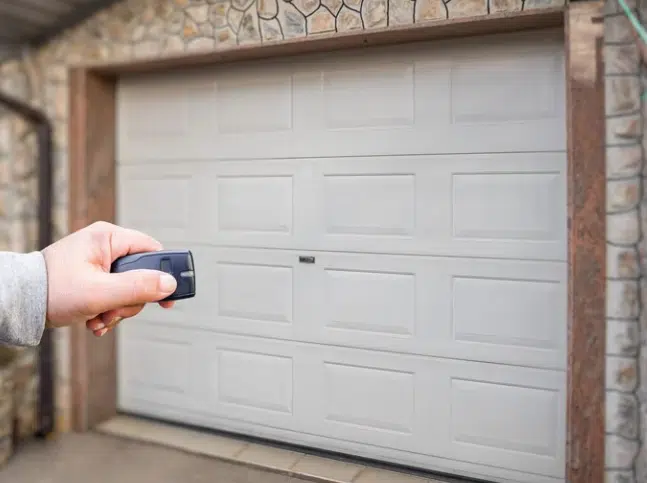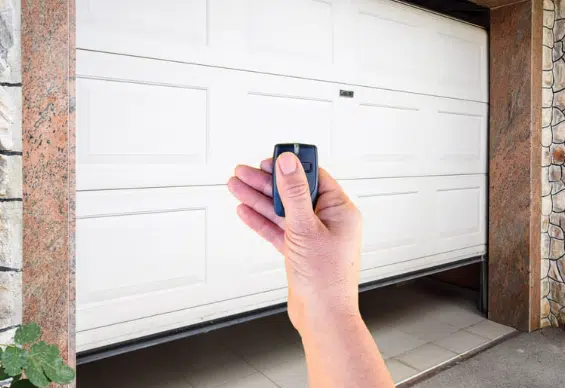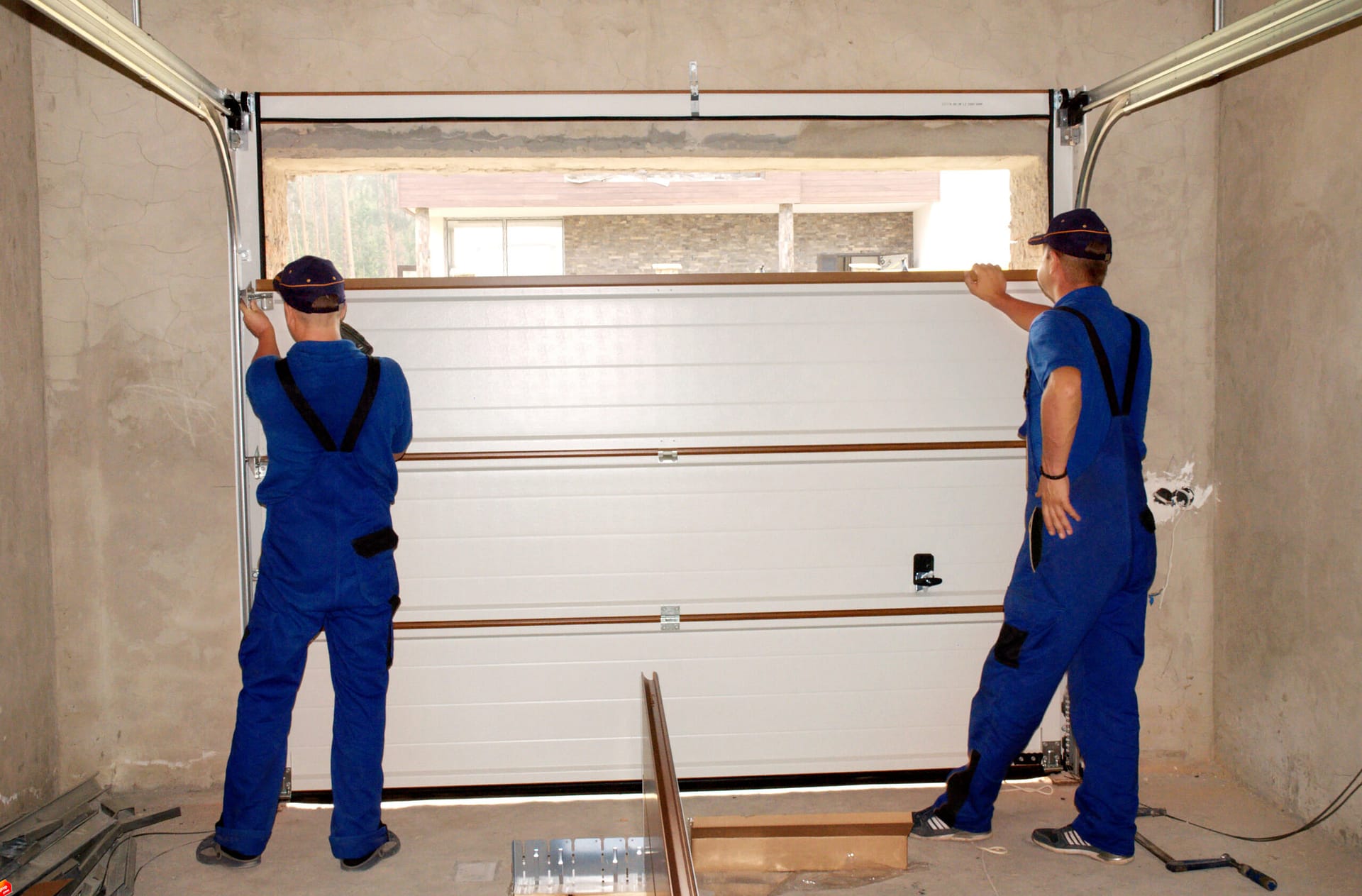
A LiftMaster garage door remote that suddenly stops working can disrupt daily routines and create security concerns. In San Antonio, TX, this issue becomes even more common during peak summer heat, lightning season, and sudden power fluctuations that affect both the remote and the garage door opener system.
Most remote problems are not random. They usually trace back to battery failure, signal interference, electrical stress, garage door opener malfunctions, or mechanical imbalance within the garage door system. Understanding the root cause helps prevent further damage and unnecessary repairs.
This guide explains the most common reasons a LiftMaster remote stops working, what can be safely checked, how to prevent recurring problems, and when professional garage door repair or garage door opener service may be necessary.
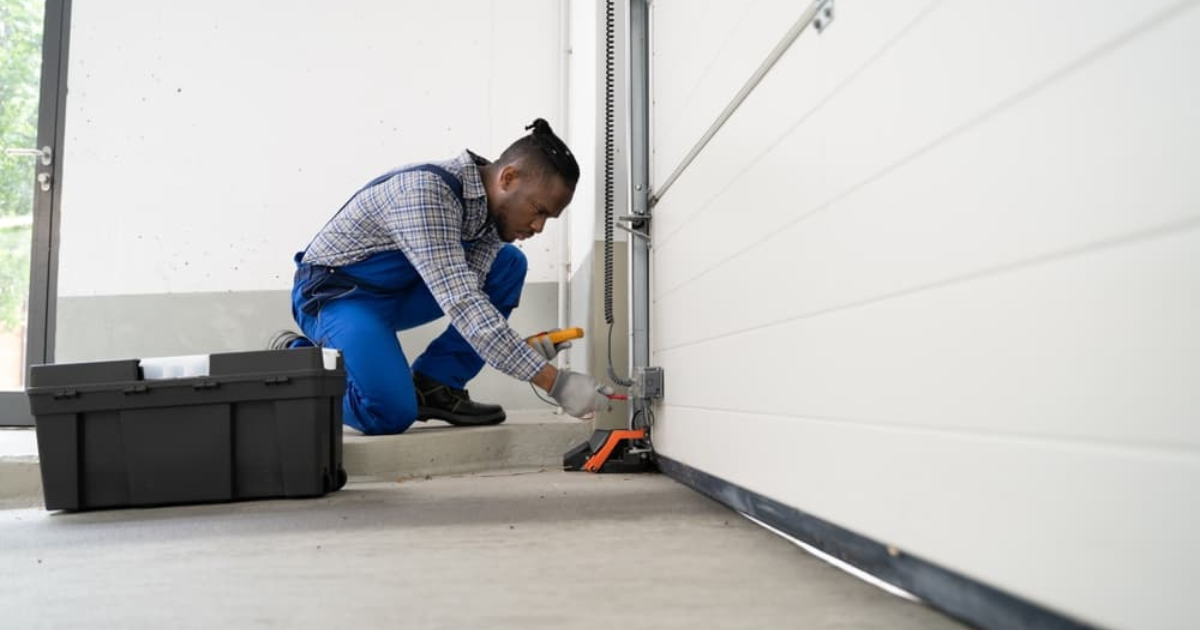
Dead or Weak Remote Batteries
The most common reason a LiftMaster remote stops working suddenly is a weak or dead battery.
Garage door remotes typically use coin-cell batteries such as CR2032 or AAA batteries. In San Antonio’s extreme temperatures, especially when remotes are stored inside vehicles, battery life can shorten significantly.
Signs of Battery Failure:
- No LED light when pressing the button
- Dim or flickering LED light
- The door only responds at a very close range
- The battery has not been replaced in over a year
What to Check:
Replace the battery with the correct model and test the remote again.
Prevention Tip:
Replace remote batteries once per year, particularly before peak summer heat.
If a new battery does not solve the problem, continue reviewing the next possible causes.
For a deeper look at simple troubleshooting steps, read LiftMaster Remote Not Working? Common Fixes and Quick Checks for additional guidance.
Remote Lost Programming After Power Interruption
LiftMaster garage door openers can lose memory after:
- Lightning storms
- Electrical surges
- Power outages
- Breaker trips
San Antonio frequently experiences brief power disruptions during storm season. These interruptions can erase programmed remotes from the opener’s memory.
Signs This Is the Issue:
- Wall control operates normally
- The motor unit has power
- Multiple remotes stopped working at the same time
What to Check:
Reprogram the remote using the “Learn” button on the motor unit according to the manufacturer’s instructions.
If the opener does not accept programming, the issue may involve the receiver board or opener logic board.
For more insight into simple power-related issues, review Can a Dead Battery Cause a LiftMaster Remote Not Working? to better understand how battery failure can affect remote performance.
Radio Frequency Interference
LiftMaster remotes operate on radio frequency signals. Nearby electronics can interfere with communication between the remote and opener.
Common interference sources in San Antonio neighborhoods include:
- Non-compatible LED light bulbs
- Wi-Fi routers
- Smart home systems
- Home security equipment
- Military radio activity
- Backup generators
Symptoms:
- Remote only works when very close
- Door responds inconsistently
- The issue started after installing the new lighting
One overlooked cause is installing standard LED bulbs in the opener unit. These can disrupt the signal.
Prevention Tip:
Use LiftMaster-approved LED bulbs and keep electronic devices away from the opener motor.
If interference persists, signal testing by a trained technician may be required.
For additional troubleshooting guidance after power interruptions, explore Why Does My LiftMaster Remote Not Working After Reset? for more detailed insight.
Damaged or Improperly Positioned Antenna Wire
The antenna wire hanging from the opener motor receives the remote’s signal.
If the antenna is:
- Tucked inside the housing
- Broken or cut
- Bent
- Covered in heavy dust
The remote may not respond.
What to Check:
Visually inspect the motor unit from the ground. Confirm the antenna wire hangs freely and is not damaged.
Avoid handling internal components without proper training.
Extreme San Antonio Heat Damaging Electronics
Garage temperatures in San Antonio often exceed 120°F during summer. Prolonged heat exposure can affect both the remote and the opener’s internal components.
Heat may damage:
- Remote circuit boards
- Capacitors
- Solder connections
- Opener logic boards
Signs of Heat-Related Damage:
- Remote work in the morning, but fails in the afternoon
- Random light flashing
- Clicking sound without door movement
- Intermittent operation
In many cases, the remote appears to be the problem when the opener’s logic board is failing.
Logic board replacement varies depending on the opener model and system configuration. Because this repair involves sensitive electrical components, it should be handled by a qualified professional.
Worn-Out Remote Buttons
Daily use causes internal button contacts to wear down over time.
Indicators:
- Must press hard for activation
- One button works while another does not
- The button feels loose or stuck
Replacing the remote is often the most efficient solution in this case.
Prevention Tip:
Avoid placing the remote where pressure is constantly applied, such as under heavy objects in a vehicle.
Lock Mode Activated on Wall Control
LiftMaster wall controls include a lock feature that disables remote operation for security purposes.
When lock mode is activated:
- Wall control works normally
- All remotes stop functioning
- No mechanical issues are present
What to Check:
Look for a lock symbol or flashing LED on the wall control. Holding the lock button for several seconds typically restores remote access.
Misaligned or Dirty Safety Sensors
If the remote responds, but the door will not close, safety sensors may be the cause.
Garage door safety sensors prevent the door from closing when the beam is interrupted. In San Antonio, dust accumulation and debris frequently affect alignment.
Warning Signs:
- Blinking sensor lights
- The door reverses immediately
- The door opens normally, but will not close
What to Check:
Gently clean sensor lenses with a soft cloth. Confirm both sensor lights are solid and aligned.
If blinking continues, professional sensor adjustment may be necessary.
Mechanical Issues, such as a Broken Spring
In some cases, the remote is functioning properly, but the garage door cannot lift due to mechanical failure.
Possible mechanical causes include:
- Bent tracks
- Worn rollers
- Loose cables
- Door off track
- Broken torsion spring
If the motor hums but the door does not move, discontinue use immediately.
Continuing operation can lead to:
- Stripped gears
- Motor burnout
- Additional structural damage
Broken spring replacement must be performed by trained professionals due to high tension and serious injury risk.
Opener Logic Board Failure
When multiple remotes fail, and the wall control behaves unpredictably, internal circuit board failure may be present.
This is more common after:
- Lightning strikes
- Electrical surges
- Aging systems (10+ years)
Warning Signs:
- Random flashing lights
- Clicking noises without movement
- The door is operating on its own
- Inconsistent remote response
Replacement needs vary depending on the opener model and extent of damage. Because this repair involves electrical components, professional service is recommended.
What to Check Before Calling for Garage Door Repair in San Antonio
Before scheduling service, safely inspect:
- Remote batteries
- Lock mode on the wall control
- Safety sensor alignment
- Antenna wire positioning
- Breaker panel
- Visible spring gaps (do not touch)
- Track obstructions
- Signs of overdue garage door maintenance, such as dry rollers, loose hardware, or unusual noises
Regular garage door maintenance can prevent many remote and opener issues before they become major repairs.
If the door feels unusually heavy or slams shut, stop using the system immediately.

How to Prevent LiftMaster Remote Problems in San Antonio, TX
Preventive garage door maintenance reduces unexpected failures.
Schedule Annual Garage Door Maintenance
Professional inspections can identify:
- Spring wear
- Track misalignment
- Electrical stress
- Sensor calibration issues
- Signal interference
Install Surge Protection
Lightning storms in South Texas frequently damage opener components.
Keep the Garage Clean
Dust and debris affect sensors and electronics.
Replace Batteries Annually
Extreme heat shortens battery life.
Use Compatible Lighting
Avoid generic LED bulbs that interfere with remote signals.
Address Small Warning Signs Early
Strange noises, delayed response, or inconsistent operation often indicate early mechanical or electrical stress.
When Professional Service Is Necessary
Professional garage door repair is recommended if:
- Breakers trip repeatedly
- A burning smell is present
- Multiple components malfunction
- Door reverses without obstruction
- Wiring appears melted
- A broken spring is suspected
- Visible panel damage affecting the door balance or alignment
In some cases, structural damage may require garage door panel replacement to restore proper operation and prevent additional strain on the garage door opener system.
Garage door systems operate under high tension and involve electrical components. Attempting advanced repairs without proper tools and training increases injury risk.
Local technicians familiar with San Antonio’s heat, humidity, and storm patterns understand how environmental conditions impact LiftMaster garage door openers and overall system performance.
Common Causes of LiftMaster Remote Failure
If a LiftMaster remote stops working suddenly, the cause typically involves:
- Battery failure
- Programming reset
- Signal interference
- Sensor misalignment
- Mechanical imbalance
- Logic board damage
Begin with simple checks. If the issue continues, a professional diagnosis helps prevent additional damage and extends the lifespan of the garage door system.
In San Antonio, TX, extreme weather conditions make routine garage door maintenance especially important. Early attention to small warning signs protects both the opener and the home’s overall safety.
Get Professional Help for Your LiftMaster Remote
For homeowners who prefer experienced, local support, Lincoln Garage Doors LLC is a trusted name in San Antonio for reliable garage door repair, remote troubleshooting, broken spring replacement, and complete opener diagnostics. With a strong focus on safety, long-term solutions, and honest recommendations, our team understands how South Texas heat and storm conditions impact garage door systems. If a LiftMaster remote continues to malfunction, contact us today or give us a call to ensure the system operates safely and efficiently.