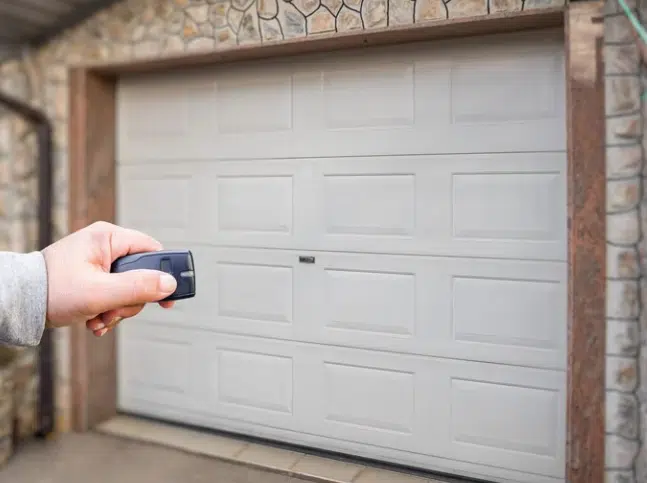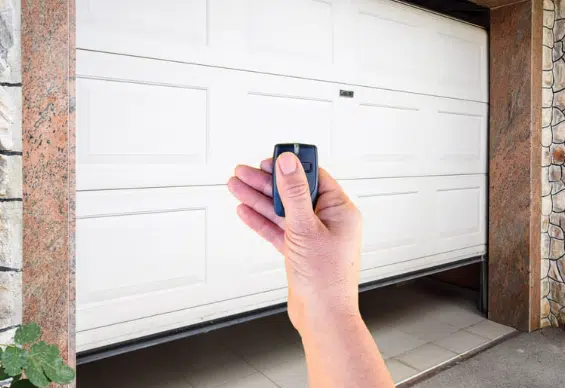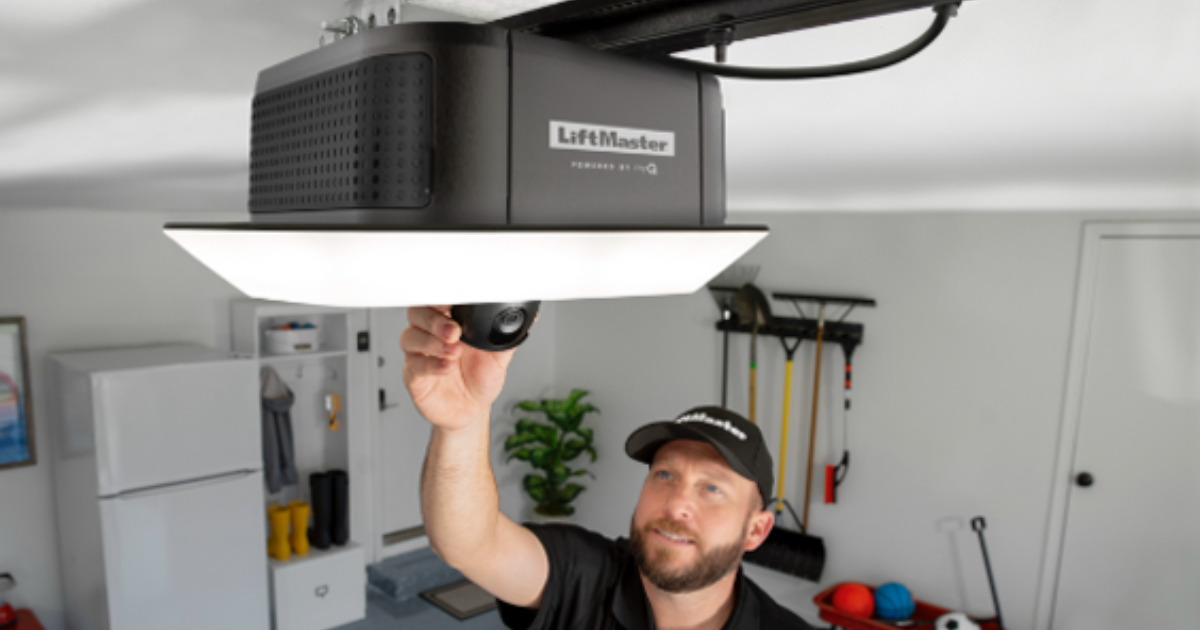
A LiftMaster remote that stops working after a reset can be frustrating, especially when trying to leave for work or return home during extreme San Antonio heat. When a LiftMaster garage door opener remote fails, it disrupts both convenience and home security. This issue is common and usually tied to programming errors, power interruptions, signal interference, or internal component wear within the garage door opener system.
Understanding what happens during a reset is key. When a LiftMaster garage door opener is reset, it often erases stored remote codes and clears paired devices. If reprogramming is incomplete, if the garage door opener memory was fully cleared, or if another internal component is affected, the remote will not respond.
This guide explains the most common causes, what to check safely, how to prevent future garage door opener remote issues, and when professional garage door service in San Antonio, TX, is recommended.

Quick Answer:
A LiftMaster garage door remote typically fails after a reset because of:
- Improper reprogramming
- Opener memory being cleared
- Weak or incorrectly installed battery
- Lock mode is activated on the wall control
- Antenna damage or obstruction
- Radio frequency interference
- Power surge affecting the logic board
- Misaligned safety sensors
- Worn-out remote hardware
- Heat-related electronic damage
Each of these causes is explained below in simple, clear terms.
For additional troubleshooting guidance, review LiftMaster Remote Not Working? Common Fixes and Quick Checks for step-by-step insights and practical solutions.
The Remote Was Not Reprogrammed Correctly
After a reset, a LiftMaster garage door opener erases all connected devices. This includes:
- Handheld remotes
- Wireless keypads
- Vehicle HomeLink systems
- Smart garage connections
The Learn button must be pressed, and the remote button must be activated within a short programming window. If the timing is missed, the opener will not store the signal.
What to Check
- Did the opener light blink during programming?
- Was the remote button pressed within 30 seconds?
- Was the correct button selected?
In San Antonio, this issue often appears after lightning storms or temporary power outages that partially reset the opener.
Prevention Tip
Program one remote at a time and test immediately before moving to another device.
For more sudden failure scenarios and deeper troubleshooting insights, review Why Is My LiftMaster Remote Not Working Suddenly? to better understand unexpected remote issues.
The Opener Memory Was Completely Cleared
Holding the Learn button too long (usually more than 6 seconds) clears all stored codes. This is one of the most common programming mistakes.
When memory is cleared:
- All remotes stop working
- Keypads disconnect
- Vehicle pairings are erased
This does not mean the remote is broken. It simply means every device must be reprogrammed.
For battery-related troubleshooting, review Can a Dead Battery Cause a LiftMaster Remote Not Working? to rule out one of the most common and overlooked causes.
Lock Mode Is Activated
LiftMaster wall controls include a security feature called Lock Mode, sometimes labeled Vacation Mode. When activated, remote signals are blocked.
Signs Lock Mode Is On
- Wall control opens and closes the door
- Remotes do not respond
- The LED indicator flashes on the wall panel
This is a common issue in homes with children or after button testing during troubleshooting.
Disabling Lock Mode often restores remote function immediately.
The Remote Battery Is Weak or Installed Incorrectly
San Antonio garages frequently reach temperatures above 100 degrees during the summer months. Extreme heat drains remote batteries quickly.
Even if the remote worked before the reset, a weak battery may not send a strong enough signal afterward.
What to Check
- Battery polarity
- Corrosion on battery contacts
- Battery age (over one year old)
Battery replacement is typically very low-cost and should be part of routine garage door maintenance.
Prevention Tip
Replace remote batteries once per year to prevent unexpected failure.
The Opener Antenna Is Damaged or Out of Position
The LiftMaster opener includes a small antenna wire that hangs from the motor housing. This wire receives the signal from the remote.
If the antenna is:
- Bent
- Tucked upward
- Cut
- Covered in dust
Signal reception may be reduced or blocked.
In San Antonio homes, antenna issues are often caused by attic insulation work, storage contact, or pest activity.
What to Check
- Is the antenna hanging straight down?
- Is the wire intact?
Internal antenna repairs should only be handled by trained professionals due to electrical risk.
Radio Frequency Interference Is Blocking the Signal
Garage door remotes use radio frequency signals. Certain devices can disrupt that signal.
Common interference sources in San Antonio neighborhoods include:
- LED light bulbs
- WiFi routers
- Home security systems
- Military communications
- Power lines
- Nearby construction equipment
If the remote works only when standing very close to the door, signal interference may be the cause.
Tip
Temporarily turn off nearby LED bulbs and test the remote again. Low-quality LED bulbs are a frequent source of interference.
A Power Surge Damaged the Logic Board
Lightning storms and electrical fluctuations are common in South Texas. Power surges can damage the logic board, which acts as the opener’s internal control system.
Warning Signs of Logic Board Issues
- Remotes stop responding
- Wall control behaves inconsistently
- Random flashing lights
- Clicking sounds without door movement
- Breakers trip repeatedly
Logic board replacement depends on the opener model and compatibility with the system and should be performed by a qualified technician.
This repair involves electrical components and should not be attempted without proper training.
Installing surge protection helps reduce the risk of future damage.
Safety Sensors Are Preventing Door Movement
Sometimes the remote is working, but the garage door will not close because the safety sensors detect an obstruction or alignment issue.
If sensors are:
- Misaligned
- Dirty
- Blocked
- Loose
The door will not close as a safety precaution.
San Antonio dust and debris can easily affect sensor performance.
What to Check
- Are both sensor lights solid?
- Is anything blocking the beam?
- Are the lenses clean?
Safety sensors should never be bypassed, as they prevent serious injury.
The Remote Hardware Is Failing
LiftMaster remotes typically last many years, but internal components eventually wear out.
Common signs of remote failure include:
- Sticky or unresponsive buttons
- Intermittent operation
- Cracked casing
- Internal circuit wear
If the remote is more than 8 to 10 years old and troubleshooting steps do not help, replacement may be the most reliable option.
Remote replacement generally averages a moderate cost compared to major opener repairs.
Extreme Heat Has Damaged Internal Electronics
San Antonio’s climate places significant stress on garage door systems. Prolonged exposure to extreme heat can affect:
- Remote signal strength
- Battery life
- Opener circuit boards
- Internal wiring connections
If the remote works during cooler morning hours but fails in the afternoon, heat may be contributing to the issue.
Improving ventilation and insulating the garage can extend equipment lifespan.
What to Check Before Scheduling Garage Door Service
Before contacting a professional, safely review the following checklist as part of basic garage door maintenance:
- Replace the remote battery
- Confirm Lock Mode is off
- Reprogram the remote correctly
- Check antenna positioning
- Inspect safety sensors
- Test the wall control
- Observe any diagnostic light patterns
- Visually inspect the garage door system for loose hardware, worn rollers, or unusual movement.
If multiple remotes fail at the same time, the issue is likely within the opener rather than the remote itself. Regular garage door maintenance helps identify small problems early before they turn into larger mechanical or electrical failures.
How to Prevent LiftMaster Remote Problems in San Antonio
Preventive maintenance significantly reduces remote, garage door, and garage door opener failure.
Recommended preventive steps include:
- Replace remote batteries annually
- Install surge protection at the outlet
- Keep the antenna hanging straight
- Clean dust from the opener housing
- Test safety sensors monthly
- Avoid holding the Learn button longer than necessary
- Schedule yearly garage door maintenance
Regular garage door maintenance is especially important in South Texas due to heat, dust accumulation, and seasonal storms. Consistent inspection of the entire garage door system, including springs, rollers, tracks, panels, cables, and the garage door opener, helps ensure smooth, safe, and reliable garage door operation year-round.
Routine inspection can also identify early signs of spring tension issues, track misalignment, panel wear, and opener strain before larger and more expensive repairs are needed.
When Professional Garage Door Repair Is Recommended in San Antonio, TX
Professional service is advised if:
- Breakers trip repeatedly
- A burning smell comes from the motor unit
- Wiring appears melted
- The opener clicks but does not move
- Multiple components malfunction at once
- The door reverses unexpectedly
- Visible panel damage or the need for garage door panel replacement
Garage door systems operate under high spring tension and contain electrical components. Damaged panels can also affect door balance, track alignment, and opener strain. Improper handling can lead to serious injury or additional structural damage.
A trained garage door technician can determine whether the issue involves programming failure, electrical damage, signal interference, logic board failure, garage door panel replacement, or full opener replacement.
Early inspection often prevents further damage and extends system lifespan.
When Basic Troubleshooting Is Not Enough
A LiftMaster remote not working after a reset is usually linked to programming, power disruption, environmental impact, or normal component wear.
San Antonio’s heat and storm activity increases stress on garage door opener systems. Addressing minor issues quickly helps prevent larger and more expensive problems.
Start with simple checks:
- Battery
- Programming
- Lock mode
- Antenna
- Sensors
If those steps do not resolve the issue, professional inspection provides a safe and reliable solution.
A properly functioning garage door remote supports daily convenience, home security, and long-term system performance.
Trusted Garage Door Opener Repair in San Antonio, TX
For homeowners in San Antonio, TX, Lincoln Garage Doors LLC provides experienced, reliable garage door diagnostics and opener repair services tailored to South Texas conditions. From programming issues to electrical failures and full opener replacements, trained technicians deliver thorough inspections and dependable solutions designed to restore safe operation quickly. Contact us today or give us a call to schedule a professional garage door inspection and get your LiftMaster system working properly again.