

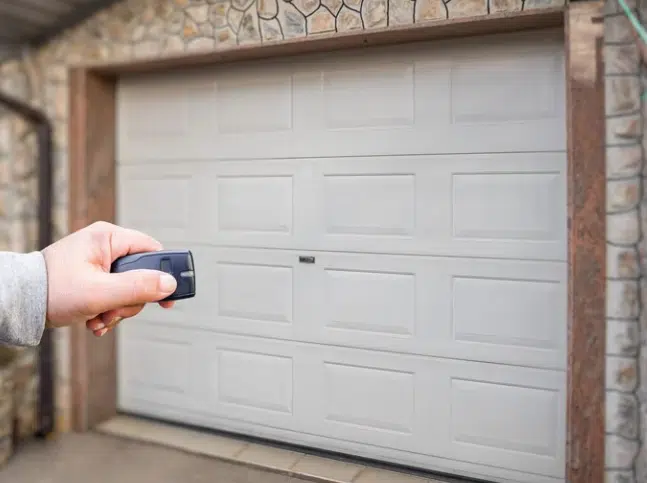
A garage door remote makes daily routines easier by allowing homeowners to open or close the door with the press of a button. When the garage door remote control stops responding, it can disrupt normal use of the garage door opener system.
Several factors may affect how the remote communicates with the opener, including weak batteries, signal interference, programming issues, or internal opener components.
In areas like San Antonio, TX, where garage doors are used frequently, heat, dust, and regular operation can affect both the remote and opener over time. Understanding the common causes can help homeowners identify potential issues and know when professional evaluation may be helpful.
Weak or Dead Garage Door Remote Batteries
One of the most common causes of a garage door remote not responding is a weak or depleted battery.
Garage door remotes use small batteries to transmit a radio signal to the garage door opener receiver. As the battery loses power over time, the signal strength becomes weaker and may not reach the opener consistently.
Signs the battery may be the issue
- The garage door remote works only when very close to the door
• The LED indicator on the remote appears dim or does not light up
• The remote work occasionally, but not every time
When the signal becomes too weak, the garage door opener system may not detect the remote command at all.
What to check
Replacing the remote battery is often the first step when troubleshooting this issue. Once the battery is replaced, testing the remote again can help determine whether the signal strength has improved.
Helpful prevention tip
Changing remote batteries periodically can help avoid unexpected problems. Many homeowners replace batteries once a year to maintain reliable performance from their garage door remote transmitter.
For more helpful insights, the blog How to Choose the Right Garage Door Remote for Your Opener explains how to select a compatible remote for reliable operation.
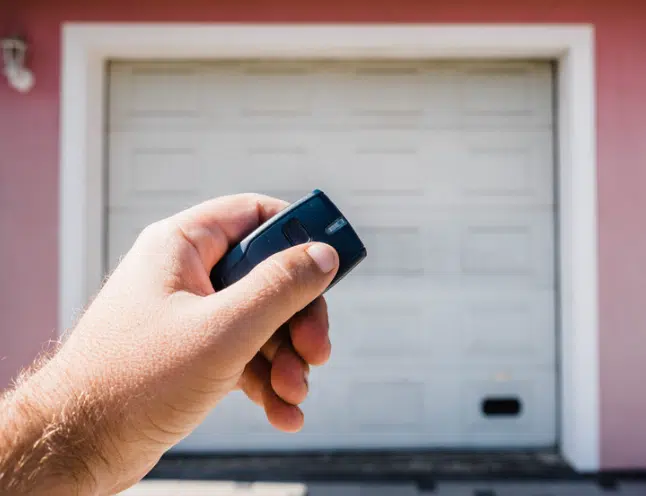
The Garage Door Opener Is Not Receiving the Signal
Sometimes the problem is not with the remote itself but with the garage door opener receiver.
Inside every garage door opener is a receiver that listens for signals from the remote. When the receiver cannot detect the signal properly, the door will not respond to the remote control.
Possible reasons the receiver may not detect the signal
- The antenna on the garage door opener is damaged
• Signal interference is present near the garage
• Internal receiver components are malfunctioning
What homeowners can observe
Testing the garage door wall control panel can help identify whether the opener is functioning properly. If the wall button opens and closes the door normally, while the remote does not work, the issue may involve the communication between the remote and the opener.
Professional evaluation
Garage door technicians often examine the garage door opener receiver, antenna, and signal strength to determine why the opener is not detecting remote signals.
For additional insight, the blog How Does a Garage Door Remote Work With an Opener? explains how the remote and opener communicate within the garage door system.
The Garage Door Remote May Need Reprogramming
Garage door remotes must be programmed to communicate with the garage door opener system. If that programming becomes disconnected or reset, the remote will no longer send the correct signal to the opener.
Situations that may cause a remote to lose programming
- Power outages in the home
• Resetting the garage door opener
• Replacement of the opener circuit board
• Changes to the opener’s rolling code security system
Modern garage door openers often use rolling code technology, which improves security by changing the access code each time the remote is used. If the remote loses synchronization with the opener, the door may stop responding.
What to check
Reviewing the garage door opener manual can help determine whether the remote needs to be reprogrammed.
When professional help may be needed
If multiple remotes suddenly stop working or the remote will not program successfully, a technician may need to inspect the garage door opener electronics and receiver settings.
For more helpful guidance, the blog Can Any Garage Door Remote Work With Your Opener? explains how remote compatibility works with different garage door opener systems.
Signal Interference Is Blocking the Remote
Garage door remotes send commands using radio frequency signals. Certain electronic devices or nearby equipment can interfere with those signals, preventing the remote from communicating with the opener.
Common sources of signal interference
- LED lighting near the garage door opener
• Wireless security cameras
• Home automation systems
• Radio frequency equipment in nearby homes
Signal interference can cause the garage door remote transmitter to work inconsistently. In some cases, the remote may only function when the vehicle is very close to the garage.
What homeowners may notice
The remote may work one moment and fail the next, or the operating range may suddenly become much shorter.
Professional inspection
Garage door technicians may evaluate the garage door opener frequency compatibility, antenna condition, and surrounding electronics to determine whether signal interference is affecting the system.
The Garage Door Opener Antenna Is Damaged or Misaligned
The garage door opener antenna is responsible for receiving the signal sent by the remote control.
If the antenna becomes bent, blocked, or disconnected, the opener may struggle to detect the remote signal.
Signs that the antenna may be causing the problem
- The remote only works when standing directly under the opener
• The antenna wire appears bent or tucked inside the opener housing
• The remote range suddenly becomes shorter than usual
What to check
The antenna should usually hang downward from the garage door opener. If the antenna is obstructed by storage items or other objects, the signal may not reach the receiver properly.
Garage door professionals often inspect the opener antenna and internal electronics during a system evaluation.
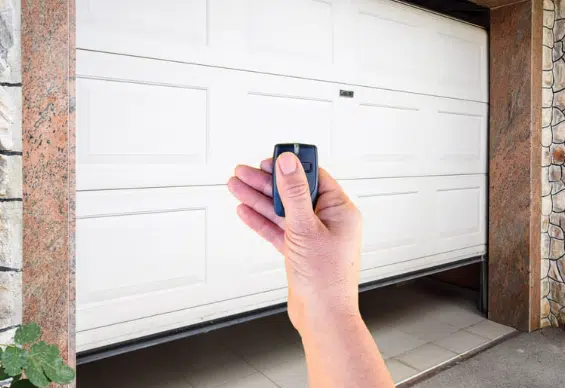
The Garage Door Remote May Be Damaged
Garage door remotes are small handheld devices that can experience wear over time.
Frequent use, accidental drops, and exposure to moisture can affect the internal components of the remote.
Signs the remote may be damaged
- Remote buttons feel loose or stuck
• The casing appears cracked or worn
• The LED indicator does not light up when pressed
A damaged garage door remote transmitter may not be able to send a proper signal to the opener.
In situations where the remote is no longer functioning correctly, the average cost of garage door remote replacement can vary depending on the type of remote and its compatibility with the garage door opener system.
The Garage Door Opener System May Need Inspection
If none of the common causes appear to be the issue, the problem may involve the garage door opener system itself.
Several internal components work together to allow the opener to communicate with remote devices. When one of these parts begins to malfunction, the garage door may stop responding to remote commands.
Components technicians may inspect
- Garage door opener receiver
• Control board electronics
• Wiring connections
• Remote frequency compatibility
• Safety sensors and system communication
A trained technician can safely evaluate the garage door opener electronics and control board to determine whether a deeper system issue is preventing the remote from operating the door.
Tips to Help Prevent Garage Door Remote Problems
A few simple maintenance habits can help keep a garage door remote and opener system working reliably.
Helpful practices include:
- Replacing remote batteries periodically
• Keeping the remote away from moisture or water
• Avoiding dropping or crushing the remote
• Checking the garage door opener antenna occasionally
• Watching for unusual garage door behavior
Regular observation of how the automatic garage door system responds to the remote can help identify small issues before they interrupt daily routines.
Including routine garage door maintenance, such as checking the opener system, sensors, and moving parts, can also help keep the garage door and remote operating smoothly.
Preventive care also helps reduce unnecessary strain on the garage door opener motor and receiver.
When to Consider Professional Garage Door Inspection
Some garage door remote issues involve internal components that may not be easy to identify without professional tools and experience.
Professional evaluation may be helpful when:
- The remote will not program with the opener
• Multiple remotes stop working at the same time
• The opener responds unpredictably
• The garage door reverses unexpectedly
During an inspection, technicians often evaluate several components within the garage door system, including the opener receiver, wiring connections, safety sensors, and internal electronics to ensure the entire garage door and opener system is functioning properly.
Homes in San Antonio, TX, may benefit from occasional garage door inspections because daily use, dust accumulation, and temperature changes can gradually affect both electronic and mechanical components of the garage door system.
Routine inspection helps maintain the safe and reliable operation of the automatic garage door system and supports the long-term performance of the entire garage door.
Understanding the Causes of Garage Door Remote Problems
A garage door remote that is not responding can occur for several reasons, ranging from simple battery issues to signal interference or internal opener concerns. Understanding these possible causes can help homeowners determine what may be affecting the system and what signs to observe.
Regular maintenance, battery replacement, and occasional system checks can help keep the garage door opener and remote system functioning properly. Keeping other parts of the door in good condition, including panels, tracks, and hardware, also supports the overall performance of the system and may help prevent issues that could eventually require garage door panel replacement.
When the cause of the issue remains unclear or the garage door continues to behave unpredictably, professional inspection can help ensure the garage door system operates safely and reliably for everyday use in homes throughout San Antonio, Texas.
Professional Garage Door Remote Inspection in San Antonio, TX
Homeowners who need professional guidance can consider contacting Lincoln Garage Doors LLC, a company known for providing dependable garage door inspections, remote evaluations, and overall garage door system support in the San Antonio area. Experienced technicians can carefully assess the opener, remote communication, and other components to help restore smooth and reliable operation. Contact us today or give us a call to schedule a professional inspection and help keep your garage door system working safely and efficiently.
