A garage door spring plays a crucial role in the overall operation of a home’s garage door system. It is designed to hold significant tension, allowing it to lift and lower a door that can weigh hundreds of pounds with controlled movement. Because this component works every time the garage door opens and closes, it is constantly under strain, which causes garage door springs to wear down and eventually fail. Understanding what causes a garage door spring to weaken makes it easier to recognize potential issues before they develop into more serious problems.
Forces such as gravity and daily door operation place ongoing stress on garage door springs, whether the system uses torsion springs or extension springs. Environmental conditions and usage patterns also contribute to how quickly that stress builds over time. In this guide, the key factors that place the most strain on garage door springs are explained, along with why long-term exposure to these conditions often leads to the need for professional attention as the system ages.
Understanding How a Garage Door Spring Handles Daily Stress
The primary role of a garage door spring is to support the full weight of the garage door and keep it properly balanced during operation. This balance allows the door to be lifted by hand or moved smoothly with the help of a garage door opener. While the opener plays an important role, it is not responsible for carrying the door’s weight. Its function is to guide and control movement, while the springs handle the heavy lifting. Whether a system uses torsion springs or extension springs, both types remain under constant and extreme tension as they counterbalance the door.
Garage door systems include different spring designs and hardware components, each engineered to manage stress in a specific way. Selecting the correct spring requires precise knowledge of the door’s weight, size, and track configuration. When a spring is not properly matched to the door, the system can become unbalanced. This imbalance increases strain on the spring itself and places added stress on the garage door opener, which can shorten the lifespan of both components.
For a deeper look into sudden failures and their causes, be sure to read our blog titled “Why Does a Garage Door Spring Break Unexpectedly?”
Different Garage Door Spring Types and Their Purpose
The two primary types of garage door springs are torsion springs and extension springs. Although both perform the same basic function, their placement, operation, and response to stress differ significantly. Understanding how each type works helps explain how they handle the constant load created by a moving garage door.
Torsion Springs
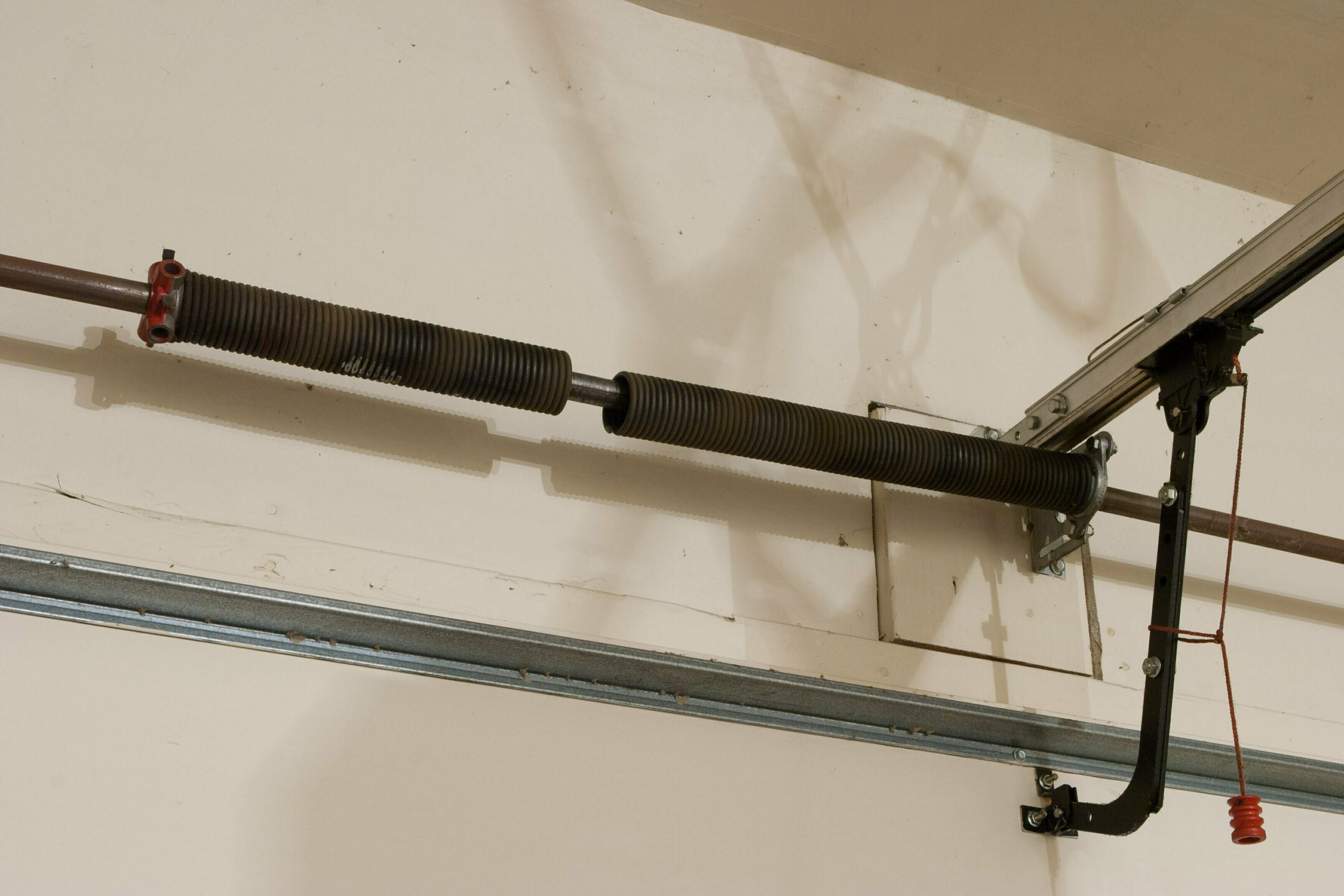
Torsion springs are mounted on a metal shaft positioned above the garage door opening. As the door opens, these springs twist and store energy, then gradually unwind to lift the door in a controlled manner. Most residential torsion systems use two springs, one wound in each direction, which helps distribute weight evenly and keeps the door moving smoothly on both sides. Because of their strength and stability, torsion springs are well-suited for heavier garage doors and provide greater control throughout the door’s movement.
Extension Springs
Extension springs are installed along each side of the garage door, running parallel to the horizontal tracks. These springs operate by stretching as the door closes and contracting as it opens. When the door is in the closed position, extension springs remain under constant tension. For safety, they are paired with containment cables designed to prevent sudden movement if a spring fails. While effective, extension springs can experience more abrupt motion under heavy loads.
Because both spring types operate under significant tension, adjustments or replacements require a deep understanding of how the system functions. This level of complexity is why professional involvement becomes important as springs wear or lose balance over time.
How Door Weight and Movement Affect a Garage Door Spring
Door weight is the single most significant source of stress placed on a garage door spring. Each spring is designed to lift a specific weight range, and when it is not properly matched to the door, problems quickly develop. Springs under excessive tension wear out faster, while springs that are too weak struggle to lift the door efficiently, increasing strain throughout the system. Heavier doors, including those made from solid wood or insulated steel, place far greater demands on the spring assembly.
For heavier garage doors, torsion springs are often favored because their design allows weight to be distributed more evenly across the system, which reduces strain on both the springs and the garage door opener. This results in smoother operation and better control during opening and closing. Extension springs can still be used, but they tend to experience higher stress under heavy loads and may respond less predictably if they fail. Proper calibration is essential so the spring system and garage door opener can manage the load without excessive strain.
The connection between door material and spring stress is direct. As door weight increases, the force required from the spring system rises with every operating cycle. The following comparison shows how different door materials typically affect spring requirements.
Door Material | Typical Weight Range (Single Door) | Required Spring Strength |
Aluminum | 80–150 lbs | Standard-duty |
Steel (Single Layer) | 100–175 lbs | Medium-duty |
Steel (Insulated) | 150–250 lbs | Heavy-duty |
Wood/Composite | 200–400+ lbs | Extra heavy-duty |
As the door opens and closes day after day, these forces accumulate, making door weight and movement central factors in how stress develops within a garage door spring system.
What Causes a Broken Garage Door Spring Over Time
A broken garage door spring rarely fails without warning. In most cases, the damage develops gradually after years of repeated use. Each time the garage door opens or closes, the springs engage to support the door’s weight, and that constant effort places ongoing stress on the metal. Over time, this repeated strain weakens the spring, especially when combined with the weight of the door and how often it is used throughout the year. Visible signs, such as a gap in the coil or a door that suddenly feels heavy when lifted, often indicate that the metal is breaking down and nearing failure.
While different types of garage door springs may show wear in slightly different ways, the underlying cause is usually excessive strain. An improperly balanced door, frequent daily operation, and even changing environmental conditions can accelerate the breakdown process. Each of these factors contributes to gradual fatigue in the spring, eventually leading to failure. The sections below explain how ongoing use and balance issues play a central role in creating a broken garage door spring.
For more insight into early warning signals, check out our blog titled “What Are Common Garage Door Spring Failure Signs?”
Ongoing Door Operation and Garage Door Spring Wear
One of the greatest sources of stress on a garage door spring is its regular workload. Every opening and closing counts as a single cycle, and springs are designed to withstand a limited number of these cycles over their lifespan. Standard residential springs are often built to handle around 10,000 cycles. When a garage door is used several times each day, those cycles add up quickly, steadily wearing down the steel until fatigue sets in.
As usage increases, the spring experiences constant stretching and unwinding, which gradually weakens its structure. This ongoing motion is the primary reason springs eventually fail. Some systems are designed for higher cycle ratings, allowing them to withstand more frequent use, which is important when the garage serves as the household’s main entry point.
It is also important to understand the relationship between the spring and the garage door motor. The motor is not designed to lift the full weight of the door on its own. Instead, it relies on the spring to counterbalance that weight. As the spring weakens from repeated use, it carries less of the load, forcing the motor to work harder. This added strain can shorten the lifespan of both components.
Imbalance Issues That Increase Garage Door Spring Stress
A properly balanced garage door should remain steady when lifted halfway with the opener disconnected. When the door drops downward or rises unexpectedly, it signals an imbalance within the system that may also point to issues requiring panel replacement. This imbalance places excessive stress on the garage door spring and forces both the spring and opener to manage weight that is unevenly distributed or greater than intended.
These issues become more severe in systems that use two springs. If one spring fails, the remaining spring must suddenly support the full weight of the door. That added burden often exceeds its capacity, increasing the risk of rapid failure and making continued operation unsafe.
Common signs of garage door imbalance include:
- The door appears crooked or tilted during opening or closing
- Loud or unusual noises from the opener as it struggles to lift the door
Heavier and wider garage doors naturally place more pressure on the spring system, which means proper balance becomes even more critical. When an imbalance occurs in these larger doors, the added stress increases the likelihood of spring damage and accelerates overall wear.
Environmental Factors That Lead to Garage Door Spring Repair or Replacement
Mechanical wear is only part of what causes garage door springs to fail. Environmental conditions also play a significant role in how quickly springs weaken and why a garage door spring replacement may become necessary sooner than expected. The metal coils in both torsion and extension springs are constantly exposed to the air and conditions inside the garage, and that exposure gradually alters the structure of the metal. Over time, even small changes in the material can reduce strength and make the springs more vulnerable to failure.
Humidity and frequent temperature changes are especially hard on garage door springs. Moisture in the air can encourage rust and corrosion, creating weak points along the coils that are more likely to crack when the spring is under tension. Springs affected by corrosion behave less predictably than those experiencing normal wear, which can influence both the timing and complexity of a garage door spring repair as the system ages.
To better understand durability expectations, explore our blog titled “How Long Can a Garage Door Spring Last?”
Temperature Changes in San Antonio, TX, and Garage Door Spring Performance
In San Antonio, TX, wide temperature swings are common throughout the year, and these shifts can gradually affect how garage door springs perform. Hot summers and cooler winter periods cause metal to expand and contract repeatedly. Although these movements are small, the constant cycle places additional stress on the steel and contributes to long-term metal fatigue beyond the strain created by everyday door operation.
Cold conditions can make steel slightly more brittle, increasing the risk of cracking or sudden failure when the door is opened. During periods of extreme heat, a spring’s ability to maintain consistent tension can also be affected. While a single hot or cold day is unlikely to cause immediate damage, repeated exposure to changing temperatures year after year accelerates wear in both torsion springs and extension springs.
When a garage door is used frequently, temperature-related stress compounds the effects of daily operation. Springs that are already approaching the end of their service life may fail during periods of extreme heat or cold, as even minor environmental stress can be enough to push weakened metal beyond its limits.
Moisture Exposure and Its Connection to Garage Door Spring Replacement Cost
Moisture is one of the most damaging environmental factors affecting a garage door spring, as ongoing exposure to humidity, rain, or condensation inside the garage can gradually lead to rust forming along the coils. This corrosion is more than a surface issue, since it weakens the steel itself and reduces the spring’s ability to handle tension, making failure far more likely and often without warning. As rust spreads, it can affect critical areas such as the inner diameter of the spring and the end cones that connect it to the rest of the system, leaving no safe option other than full replacement once the damage is present. When corrosion becomes severe, it can also influence the overall scope of the work involved, which may affect the garage door spring replacement cost. Recognizing rust early is important because visible corrosion is a sign that the spring has already lost strength, and continued operation under these conditions increases the risk of sudden breakage and potential safety concerns.
Understanding how stress affects garage door springs is essential for keeping them reliable and extending their lifespan. Daily operation, environmental conditions, and spring design all influence how well these components hold up over time. When you recognize early signs of wear and understand the reasons springs tend to fail, it becomes easier to address concerns before they turn into larger problems. Regular attention to the condition of the garage door and its springs helps reduce the risk of sudden issues and supports smooth, consistent operation. Keeping the system properly balanced ensures a safer and more convenient experience, and if questions come up or assistance is needed, reaching out for professional guidance is always an option.
When it comes to dependable garage door service, Lincoln Garage Doors is a trusted name known for experience, precision, and a strong focus on long-term performance. Their team understands how stress, wear, and environmental factors affect garage door springs and provides solutions designed to keep systems operating safely and smoothly. Whether you need expert insight, thorough inspection, or professional support, we are ready to help. Contact us today or give us a call to schedule a consultation and keep your garage door system working at its best.
Frequently Asked Questions
What indicators suggest a garage door spring has failed or become a broken garage door spring?
A failed spring often announces itself with a loud bang coming from the garage. You may also notice a visible gap in a torsion spring, a door that feels unusually heavy when lifted, or an opener that struggles to raise the door. In some cases, the door may only open partway before dropping back down. These signs point to a spring system that is no longer supporting the door properly and needs professional attention.
How is garage door spring repair connected to stress-related damage?
Garage door spring repair is typically required after prolonged stress weakens the metal. Springs support the full weight of the door and move with every opening and closing cycle, which places constant pressure on the steel. Over time, this repeated strain leads to fatigue, stretching, or breakage. Factors such as imbalance and corrosion can accelerate this damage, making repair or replacement necessary to restore safe operation.
Do different garage door spring designs affect long-term performance?
Spring design plays a major role in long-term performance. Torsion springs tend to provide smoother operation and often last longer because they manage tension more evenly. Extension springs rely on stretching and contracting, which can lead to faster wear over time. Regardless of the design, proper installation and correct sizing are essential for durability and safe performance.
What are the main types of garage door springs, and how do they function differently?
Garage door systems typically rely on torsion springs or extension springs to manage the door’s weight and movement. Torsion springs are installed above the door and operate by twisting to lift and balance the door in a smooth, controlled manner, while extension springs are placed along the sides of the door and work by stretching and contracting as the door opens and closes. Although both types serve the same overall purpose, they handle tension differently, which affects performance and wear over time. For a deeper explanation of how these systems work, this overview from Clopay Door offers helpful additional context.
How long does a garage door spring usually last under normal use?
Garage door spring lifespan is measured in cycles, with most standard springs rated for around 10,000 cycles. One cycle equals a full opening and closing of the door. For many households, this translates to roughly six to ten years of use, depending on daily operation, door balance, environmental conditions, and overall system maintenance.
Why might a garage door stop opening when the garage door spring looks damaged?
When a spring is broken or severely weakened, it can no longer support the weight of the door. The garage door opener is not designed to lift the door on its own, so the system may stop working entirely. Many openers are equipped with safety features that prevent operation when excessive resistance is detected, which is why the door may refuse to open.
Can a garage door spring fail without showing obvious damage?
A garage door spring can fail without visible warning signs. Metal fatigue can develop internally over time, especially in torsion springs, leading to sudden breakage without noticeable rust or deformation. Extension springs may lose tension gradually, making the door feel heavier before failure becomes obvious. These subtle changes are often difficult to detect without close inspection.
Does door size or weight increase stress on a garage door spring?
Door weight is one of the biggest contributors to spring stress. Heavier doors require stronger springs to remain properly balanced. Materials such as insulated steel or solid wood place significantly more tension on the spring system than lighter doors. When springs are not correctly matched to the door’s weight, they wear out faster and are more likely to fail.
How does frequent daily use impact the lifespan of a garage door spring?
Frequent use shortens a spring’s lifespan by consuming its rated cycles at a faster pace, since each opening and closing gradually weakens the metal through repeated tension and release. As daily usage increases, this wear accelerates, and once a spring nears or exceeds its cycle limit, the likelihood of sudden failure rises significantly. For additional perspective on how modern spring technology and usage patterns affect longevity, this resource from Serious Materials provides valuable insight.
How can environmental conditions influence garage door spring replacement cost over time?
Environmental factors such as humidity and temperature changes can speed up spring wear. Moisture encourages corrosion, which weakens the steel and may damage nearby components. When corrosion is extensive, replacement work can become more involved, which may increase the garage door spring replacement cost. Long-term exposure to harsh conditions often leads to earlier replacement compared to springs in more stable environments.