A garage door that operates smoothly is something most people rely on every day without giving it much thought. That effortless movement depends largely on a single component: the garage door spring. This essential piece of hardware supports the full weight of the door, allowing it and the opener to raise and lower it with ease. When the spring fails, daily routines can come to a sudden halt, leaving you unable to access your vehicle and creating potential safety risks for you and your family.
Understanding the warning signs of a weakening or garage door spring plays an important role in preventing larger issues. Recognizing these signs early can help avoid unexpected breakdowns and reduce the risk of damage to other parts of the system. By staying aware of these indicators, you help protect the garage door, the opener, and the people and belongings that matter most in your home.
Understanding How a Garage Door Spring Works
The primary role of a garage door spring is to make a heavy door feel manageable when it opens and closes. These springs are designed to operate under significant tension, either winding or stretching to counterbalance the weight of the door. By offsetting that weight, the system allows the door to move with minimal effort, whether it is lifted by hand or powered by an opener. When the spring is doing its job correctly, even a large garage door can feel surprisingly light. Without a functioning spring, however, the full weight of the door must be lifted directly, a task that most people and garage door openers are not built to handle.
Garage doors typically rely on one of two spring systems: torsion springs or extension springs. While both serve the same purpose of assisting with door movement, they operate differently and are installed in different locations. Knowing which type of spring your garage door uses can make it easier to recognize when something is not working as it should. Regardless of the system, springs must remain in good condition for the door to operate properly. When a spring fails, normal door movement is often disrupted, and the issue usually requires prompt attention.
For a deeper look into the causes behind sudden spring failure, you may also find our blog “Why Does a Garage Door Spring Break Unexpectedly?” helpful.
Types of Garage Door Springs Used in Door Systems
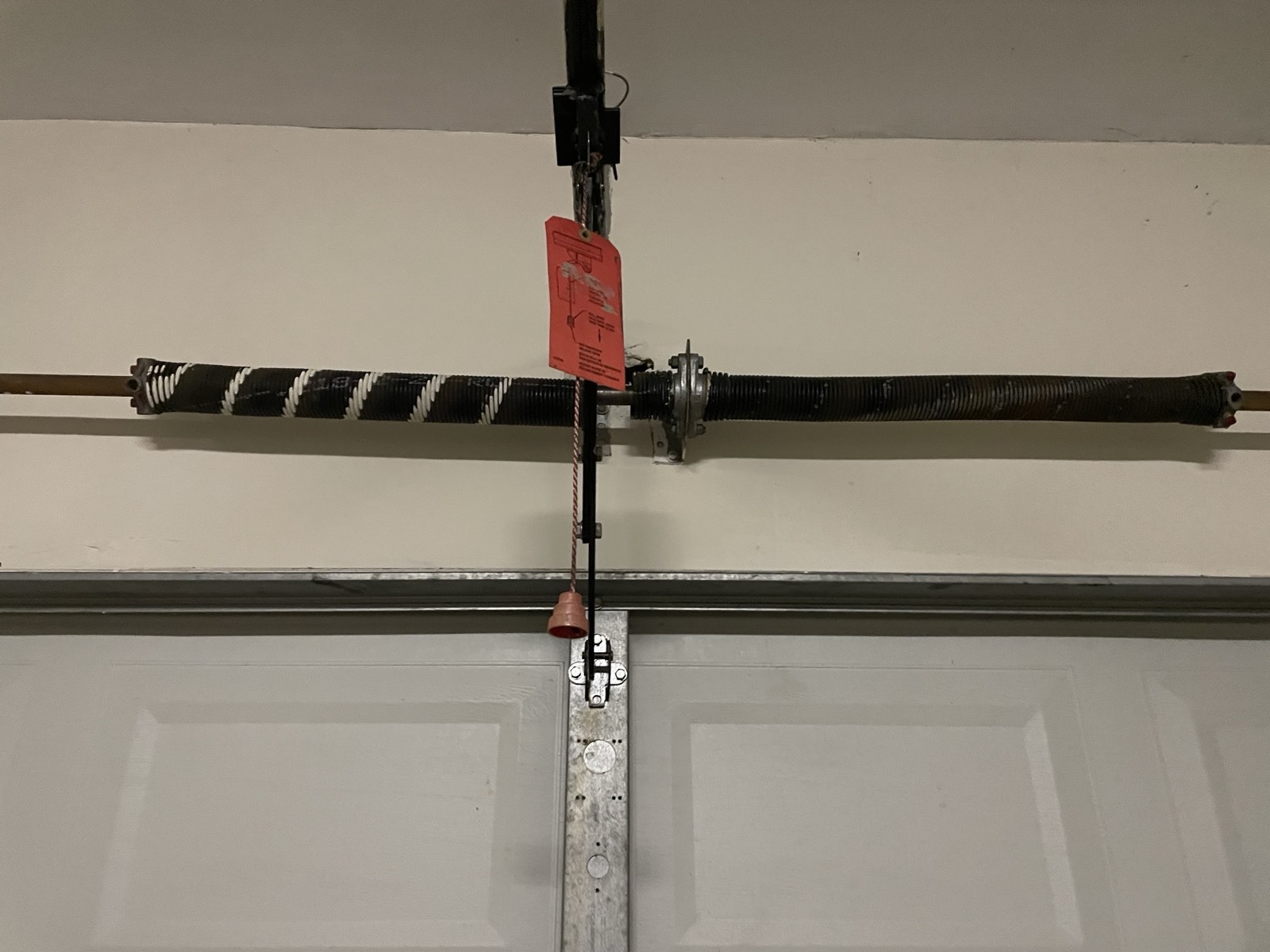
Most residential garage doors use either torsion springs or extension springs, each with a distinct design and method of operation. Torsion springs are commonly found in modern homes and are mounted on a metal shaft above the garage door opening. As the door closes, cables attached to the bottom corners rotate the shaft, tightening the springs and storing energy. When the door opens, the springs unwind and release that stored energy, helping lift the door in a controlled and balanced way.
Extension springs are more often seen on older or lighter garage doors. These springs are positioned along both sides of the door, running parallel to the horizontal tracks. Instead of twisting, they stretch as the door closes and store energy through tension. When the door opens, the springs contract and pull the door upward along the tracks. Because they are under high tension when fully extended, they are typically paired with safety cables to help contain the spring if it breaks.
To better understand how these systems differ, the table below highlights their key characteristics:
Feature | Torsion Springs | Extension Springs |
Location | Mounted on a shaft above the door | Run alongside the horizontal tracks |
Operation | Twist and unwind to lift the door | Stretch and contract to lift the door |
Common Usage | More common on modern, heavier doors | Often found on older or lighter doors |
Safety Behavior | Generally, they remain contained if they fail | Rely on safety cables to control breakage |
Recognizing these differences can help clarify how each system behaves and why certain issues may appear depending on the type of spring installed.
How a Garage Door Spring Affects Door Movement
The way a garage door moves is directly tied to the condition of its spring system. When the springs are working properly, they support most of the door’s weight, allowing it to open and close with steady, controlled motion. In a well-balanced system, the door feels easy to lift by hand because the springs are doing the majority of the work rather than the opener or the person operating it.
When a spring breaks or begins to lose tension, that balance is disrupted, and the door becomes noticeably heavier. The garage door opener is then forced to compensate for the missing support, which can cause strain on its internal components. Over time, this added stress may lead to operational problems or complete failure.
A weakened or damaged spring often causes noticeable changes in how the door behaves, including:
- The door feels unusually heavy when lifted by hand
- The garage door opener struggles or fails to open the door fully
- The door drops quickly or slams shut instead of closing smoothly
These changes usually indicate that the spring system is no longer providing the support it was designed to deliver, and the door is no longer operating as intended.
Visual Signs of a Broken Garage Door Spring
A visual inspection is often the first way to recognize a broken garage door spring. With torsion springs, one of the most obvious indicators is a visible gap in the coil. What was once a single, continuous spring may appear split into two sections, separated by several inches of space. This separation is one of the clearest signs that the spring has failed. In some cases, you may also notice loose lift cables or cables that have slipped off their drums, which can happen when the spring can no longer maintain proper tension.
Not all warning signs appear suddenly. In many situations, springs show visible wear before they break completely. Rust, peeling protective coating, or coils that appear stretched are all signs that the spring is weakening. These changes are especially common with extension springs, which tend to lengthen as they lose tension. Even if the garage door motor continues to run, these visual cues often point to a problem within the spring system itself. Ignoring them can lead to a sudden failure at an inconvenient or unsafe moment.
To better understand how long springs are designed to perform before wear becomes an issue, you may want to read “How Long Can a Garage Door Spring Last?”
Physical Indicators of a Broken Garage Door Spring
Beyond the condition of the spring itself, other physical changes in the garage door system can reveal a broken spring. When a spring fails, the stored tension is released abruptly, which can affect nearby hardware and alter the way the door sits in the opening. These changes are often noticeable once you know what to look for.
In a system with two springs, the failure of one can cause the door to lift unevenly. The garage door may appear crooked, tilt to one side, or bind as it moves because only one side is being supported. Loose or tangled lift cables are another common sign, as the loss of spring tension prevents the cables from staying properly aligned on their pulleys. In some cases, improperly sized or incorrectly measured springs can also contribute to premature failure by creating imbalance and added strain from the start.
Common physical signs of a broken garage door spring include:
- A visible gap of two to three inches in a torsion spring
- An extension spring that appears overstretched or hangs lower than normal
- A garage door that sits unevenly or tilts to one side in the opening
- Lift cables that look loose, damaged, or have slipped off their drums
Visible Wear or Damage Related to Garage Door Spring Repair
Not every spring problem results in a sudden break accompanied by a loud noise. Often, springs show gradual signs of wear that indicate they are nearing the end of their lifespan. Recognizing these changes early can help prevent unexpected door failures and reduce the risk of damage to other components in the system.
With torsion springs, rust on the coils or damage around the end cones can weaken the metal and increase the chance of failure. Extension springs may show signs of fatigue through elongated or unevenly spaced coils, even when the door is fully closed. Wear on related hardware, such as frayed cables or worn pulleys, can also signal that the spring system is no longer operating correctly and may eventually lead to the need for panel replacement if the door continues to operate under uneven stress.
Signs of wear or damage to watch for include:
- Rust or corrosion forming on the spring coils
- Coils that appear stretched or spaced farther apart than normal
- Visible wear or damage on the stationary or winding end cones of torsion springs
When these warning signs are present, it often means the spring can no longer support the door as intended. Having the system evaluated at this stage can help maintain smooth operation and prevent more serious problems from developing.
Performance Issues Caused by Garage Door Spring Failure
When a garage door spring fails, the change in how the door operates is usually immediate and noticeable. A door that once opened and closed smoothly may suddenly feel difficult or impossible to use. This happens because the spring is responsible for counterbalancing the door’s weight, and once that balance is lost, the full load shifts to the opener or anyone attempting to lift the door manually. That weight can be substantial, often far more than the system was designed to handle on its own.
As a result, the garage door may remain closed even though the opener motor continues to run. In these cases, the motor simply lacks the strength to lift the door without spring support. If the door does manage to move, it may rise slowly, shake during operation, or stop partway through the cycle. These behaviors indicate that the torsion or extension springs are no longer functioning properly. Continued use under these conditions places excessive strain on the opener, increasing the risk of permanent damage and turning a single failed spring into a more serious mechanical issue.
For additional insight into the forces that contribute to this kind of wear, you may find “What Stress Affects a Garage Door Spring Most?” worth exploring.
Changes in Door Movement That May Require Garage Door Spring Replacement
In many cases, a garage door spring does not fail without warning. As the spring begins to weaken, tension gradually decreases, and subtle changes in door movement start to appear. These early shifts can serve as indicators that the system is no longer balanced and that a spring replacement may be approaching. When the door loses proper balance, added stress is placed on the opener and surrounding hardware, which can accelerate wear throughout the system.
One of the first changes homeowners often notice with garage doors is a difference in speed. A door may take longer than usual to open, or it may close too quickly because the weakened springs are no longer able to control the descent. In some situations, the door may shake, jerk, or hesitate as it travels along the tracks, signaling that the spring is no longer providing a consistent force. These irregular movements often reflect uneven tension, which causes the door to move unpredictably rather than smoothly.
Common movement-related warning signs include:
- The door opens or closes noticeably slower or faster than normal
- The door moves with a jerky, uneven, or stuttering motion
- The door feels unusually heavy or fails to remain balanced during operation
These changes often indicate that the spring system is no longer supporting the door as intended, and continued operation under these conditions can lead to further mechanical strain.
Unusual Sounds Associated With Garage Door Spring Replacement Cost Factors
Your ears can often provide the first clue that something is wrong with a garage door. Unusual sounds, especially a sudden loud bang that many people compare to a firecracker, commonly occur when a garage door spring under extreme tension breaks all at once, and are often the clearest sign of a failed spring. Other noises may appear as the spring or torsion system begins to struggle, including squeaking, groaning, or grinding sounds that suggest tension loss, rust buildup, or components no longer moving smoothly. As the springs stop providing proper support, the garage door motor may also sound strained or overworked as it tries to compensate for the added weight. Recognizing these sounds early makes it easier to address spring-related issues before they lead to further damage, as continued operation under these conditions can place unnecessary stress on the entire system.
Recognizing the early signs of garage door spring failure plays an important role in keeping your garage door operating properly and maintaining a safe environment. Visible damage, unusual noises, or movement that feels out of the ordinary are all meaningful warning signals that should not be overlooked. Addressing these issues promptly can help prevent more serious problems from developing and support long-term, reliable operation of the door. Understanding how garage door springs function and what happens when they begin to wear makes it easier to identify concerns as they arise, allowing you to respond appropriately when professional evaluation is needed.
If you want experienced, reliable help with garage door spring concerns, Lincoln Garage Doors is a trusted choice for homeowners who value quality and dependable service. Our team understands how spring issues affect the entire garage door system and focuses on restoring safe, smooth operation with careful attention to detail. To protect your garage door and avoid unexpected problems, contact us today or give us a call and schedule a professional inspection.
Frequently Asked Questions
How can I tell if a garage door spring has failed?
A failed garage door spring is often marked by a sudden loud noise followed by a door that will no longer open. In torsion systems, a visible gap in the spring coils is a clear indicator, while other signs may include loose cables, an uneven door, or visible wear such as rust. Although symptoms can vary depending on the spring type, a door that stops operating normally is commonly linked to spring failure.
What factors influence the lifespan of a garage door spring?
The lifespan of a garage door spring is largely determined by how often the door is used, measured in open-and-close cycles. Material quality, wire thickness, and door weight also play a role, along with environmental conditions such as moisture that can cause rust. Heavier use and exposure to corrosion typically shorten spring life, while stable conditions can help extend it.
Why won’t a garage door work correctly when a garage door spring is damaged?
Garage door springs counterbalance the weight of the door, making it possible for the opener to move it smoothly. When a spring is damaged, that balance is lost, and the opener is forced to handle more weight than it was designed for. This often causes the door to stall, move unevenly, or stop opening altogether.
What are the main types of garage door springs, and how do they function differently?
The two primary types of garage door springs are torsion springs and extension springs, each designed to manage the door’s weight in a different way. Torsion springs are mounted above the door and function by twisting to store and release energy, while extension springs are positioned along the tracks and lift the door by stretching and contracting. Although both systems serve the same purpose, their placement and mechanical action set them apart, and a more detailed explanation of how they work can be found on Keneng Hardware.
What occurs inside the system when a garage door spring fails?
When a garage door spring fails, the tension it holds is released suddenly, often producing a loud bang. This release can affect nearby components, including lift cables and hardware that rely on spring tension to stay aligned. Once the spring breaks, the system loses its ability to support the door’s weight properly.
Is it safe to use a garage door with a broken garage door spring?
Using a garage door with a broken spring is unsafe because the door becomes extremely heavy and unbalanced. Continued operation can lead to sudden drops, strain on the opener, or damage to other components, all of which increase the risk of injury or property damage.
Why can a garage door become uneven after a garage door spring failure?
Many garage doors use paired springs, and when one fails, the remaining spring continues lifting only one side of the door. This imbalance causes the door to tilt, bind, or become stuck during operation, making the issue visible and disruptive to normal movement.
Can a garage door spring failure affect other door components?
Yes, a spring failure can place excess stress on the entire garage door system. The opener, cables, tracks, rollers, and hinges may all be affected as they attempt to compensate for the lost support, which can lead to additional mechanical damage over time.
When is garage door spring replacement considered necessary?
Garage door spring replacement becomes necessary when the spring is broken, severely worn, or no longer able to support the door’s weight, as visible damage, loss of tension, or difficulty maintaining balance all point to a system that can no longer function safely. Because failed springs can pose serious risks when they give way, it is helpful to understand the potential dangers involved, which are outlined in more detail by Shouse Law Group.
How does spring tension loss relate to garage door spring replacement cost factors?
Loss of spring tension signals that the spring has reached the end of its usable life and must be replaced to restore proper door function. The overall replacement cost is influenced by factors such as spring type and size, as these determine the components required to safely support the door.