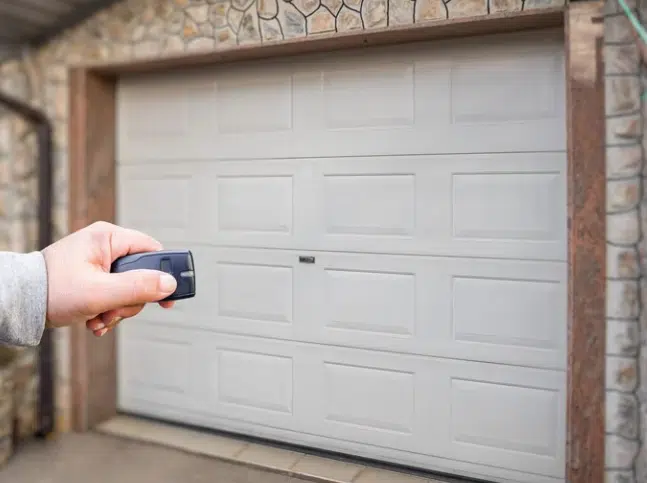
A garage door remote allows homeowners to open and close the garage door with a simple button press. When a remote is lost, damaged, or stops working, finding a replacement may seem simple, but compatibility can vary depending on the garage door opener system, frequency, and security features.
For homeowners in San Antonio, TX, where garage doors are used frequently, choosing the correct garage door opener remote helps ensure reliable operation, convenience, and secure access to the home.
Identify the Brand and Model of the Garage Door Opener
The first step in choosing the right garage door remote control is identifying the brand and model of the garage door opener.
Common garage door opener brands include:
- LiftMaster
- Chamberlain
- Genie
- Craftsman
- Linear
- Overhead Door
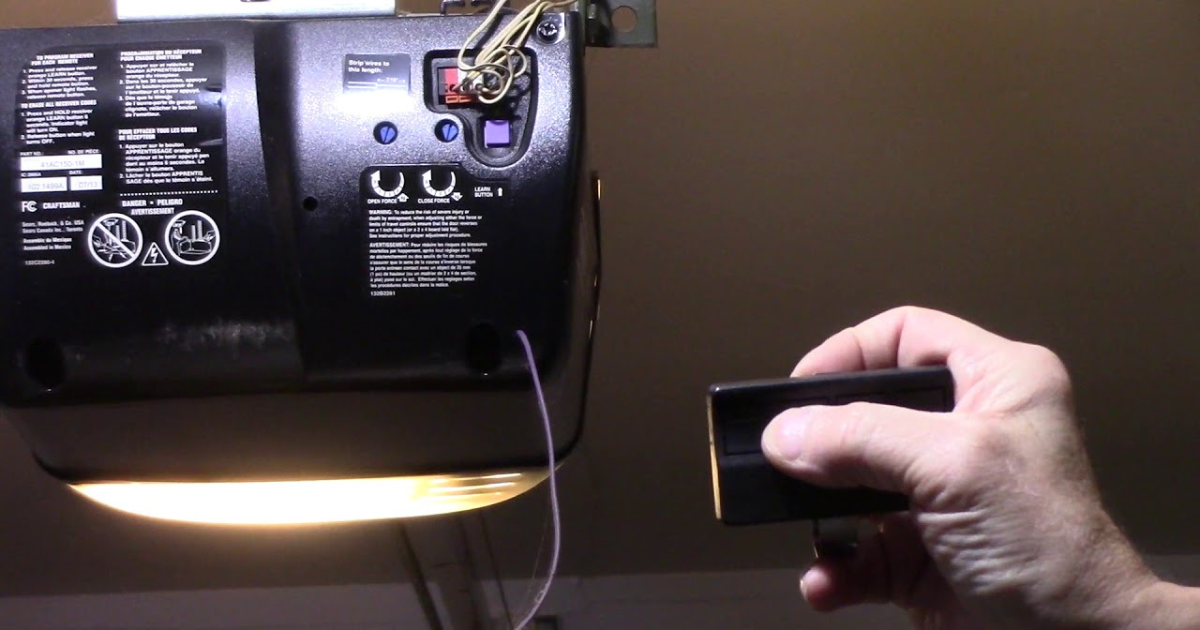
Most garage door openers have a label located on the motor unit mounted to the ceiling.
This label usually contains:
- The model number
- Manufacturing information
- Frequency details
- Compatibility specifications
Knowing this information helps ensure the replacement garage door remote will communicate properly with the opener.
Many homes in San Antonio neighborhoods have garage door openers that may be over ten years old. Older systems sometimes require specific remotes or upgraded receivers.
Helpful Tip
If the model number is difficult to locate, the color of the learn button on the opener can sometimes help determine compatible remotes. Different manufacturers use color-coded buttons to indicate frequency and technology.
Checking these details before purchasing a remote can help avoid compatibility problems later. For a deeper explanation of how remotes communicate with garage door systems, explore the related guide How Does a Garage Door Remote Work With an Opener?.
Check the Frequency of the Garage Door Remote
Garage door remotes communicate with the opener through radio frequency signals. The remote sends a signal to the opener’s receiver, allowing the door to open or close.
Common frequencies used by garage door systems include:
- 300 MHz
- 310 MHz
- 315 MHz
- 390 MHz
The garage door opener receiver and the remote must operate on the same frequency for the system to function properly.
If the frequency does not match, the remote may:
- Fail to activate the door
- Respond inconsistently
- Only works occasionally
Modern garage door systems typically use rolling code technology, which changes the signal every time the remote is used. This technology improves security and prevents signal interception.
Older garage door openers sometimes use fixed code remotes, which transmit the same signal each time.
What to Check
Before purchasing a garage door opener remote replacement, confirm:
- The frequency of the existing opener
- The type of coding system used
A compatible frequency ensures that the remote communicates effectively with the opener. For more insight into common signal issues, the guide Why Is a Garage Door Remote Not Responding? explains several possible causes and what to look for.
Decide Between an Original Remote or a Universal Remote
Two common options are available when selecting a garage door remote control: original manufacturer remotes and universal remotes.
Original Manufacturer Remotes
These remotes are designed specifically for the opener brand.
Benefits often include:
- Easier programming
- Reliable compatibility
- Stronger communication with the opener
Because these remotes are made for a specific brand, they typically require fewer setup steps.
Universal Garage Door Remotes
Universal remotes are designed to work with multiple garage door opener brands.
Advantages include:
- Compatibility with several brands
- Ability to control multiple doors
- Convenient availability in stores
However, universal remotes may require additional programming steps.
When Universal Remotes Work Best
Universal remotes can be helpful in homes with:
- Multiple garage doors
- Different opener brands
- Gate openers connected to the garage system
Before purchasing a universal remote, confirm that the device supports the brand and frequency of the garage door opener. For more details about compatibility, see the article Can Any Garage Door Remote Work With Your Opener? explains what homeowners should know before choosing a remote.
Consider the Number of Buttons Needed
Garage door remotes come with different button configurations.
Common options include:
- Single-button remotes
- Two-button remotes
- Three-button remotes
Each button can control a separate garage door or device.
Choosing the Right Button Configuration
A single-button remote may be sufficient for homes with one garage door.
A multi-button remote may be more convenient for homes with:
- Two-car garages
- Multiple garage doors
- Gate systems connected to the property
Many modern homes in San Antonio residential communities feature two or three garage bays. In these situations, a multi-button remote can simplify daily operation by controlling multiple doors from a single device.
Some remotes also allow additional functions, such as controlling garage lights or security accessories.
Check Compatibility With Rolling Code Security Technology
Garage door security is an important consideration when selecting a garage door opener remote.
Most modern systems use rolling code technology, also known as:
- Security+
- Intellicode
- CodeDodger
Rolling code systems generate a new signal every time the remote is used. This prevents unauthorized devices from capturing the signal and gaining access to the garage.
If the garage door opener was installed within the past 10 to 15 years, it likely uses this technology.
Why Compatibility Matters
If a replacement remote does not support the correct security system, the opener may not recognize the remote signal.
Before choosing a replacement garage door remote, verify that it supports the opener’s rolling code technology.
This helps maintain both security and reliable garage door operation.
Look for Strong Remote Range and Signal Performance
Signal range is another important factor when choosing a garage door remote control.
A quality remote should allow the door to open from a comfortable distance as the vehicle approaches the driveway.
Several factors affect remote signal range, including:
- The position of the opener antenna
- Electronic interference
- Battery strength
- The quality of the remote transmitter
In busy areas of San Antonio, radio signals from nearby homes, Wi-Fi networks, and electronics can occasionally interfere with garage door remotes.
Signs of Signal Problems
A remote may have signal issues if:
- The door only opens when it is very close to the garage
- The signal works inconsistently
- The opener responds slowly
Choosing a remote with a reliable signal strength helps ensure smooth operation in everyday situations.
Choose a Remote With Durable Construction
Garage door remotes are used frequently and are often carried in vehicles, pockets, or bags. Because of this, durability plays an important role in long-term performance.
A durable garage door remote control should include:
- Sturdy outer housing
- Responsive buttons
- Secure battery compartment
Keychain-style remotes are popular because they are small and easy to carry.
Some models include protective sliding covers that help prevent accidental button presses.
Durability is especially useful in households where garage doors are opened many times each day.
Homes in San Antonio often rely on garage access to avoid extreme summer temperatures, which increases daily remote usage.
Understand Basic Programming Requirements
Most garage door remotes must be programmed to the opener before they can operate the door.
Programming usually involves syncing the remote with the opener’s learn button located on the motor unit.
The process typically requires:
- Pressing the learn button on the opener
- Activating the remote to pair the signal
Many modern remotes can be programmed quickly, but some systems may require additional steps.
Situations That May Require Professional Assistance
Professional help may be useful when:
- The garage door opener is older
- Multiple doors must be programmed
- The receiver system has been upgraded
- The remote fails to sync with the opener
Technicians often verify that the remote, receiver, and opener system communicate properly after programming.
Check the Battery Type and Maintenance Needs
Garage door remotes rely on small batteries to transmit signals.
Common battery types include:
- CR2032
- CR2016
- A23 batteries
Weak batteries can cause several issues with the garage door opener remote.
Possible symptoms include:
- Reduced signal range
- Delayed door response
- Intermittent remote operation
Simple Maintenance Tips
Replacing remote batteries periodically can help maintain reliable operation.
Temperature changes may also affect battery life. In warm climates such as San Antonio, TX, batteries stored in vehicles may drain faster during hot summer months.
Checking battery condition regularly can help prevent unexpected remote failures.
Consider Professional Guidance When Compatibility Is Unclear
Selecting the correct garage door remote for an opener can sometimes be confusing, especially if the system is older or has been modified over time.
Garage door professionals often evaluate several components before recommending a replacement remote, including:
- Garage door opener model
- Receiver type
- Remote frequency
- Security technology compatibility
This inspection helps ensure that the new remote works properly with the entire garage door system.
The average cost of a garage door remote replacement can vary depending on the type of remote and system compatibility. Regular garage door maintenance can also help technicians identify compatibility issues early and keep the opener, remote, and other components operating smoothly.
Choosing the correct remote from the beginning can help avoid repeated replacements or programming issues.
Tips to Help Avoid Garage Door Remote Problems
A few simple habits can help extend the lifespan of a garage door remote control and support the smooth operation of the garage door system.
Helpful practices include:
- Replacing remote batteries periodically
- Avoiding exposure to moisture or water
- Preventing drops or heavy pressure on the remote
- Keeping remotes away from extreme heat
- Checking the garage door opener antenna occasionally
Observing how the garage door opener and garage door remote operate can help identify small issues before they interfere with daily use.
Regular inspection of the entire garage door system, including the opener, sensors, and remote devices, can also help maintain safe and reliable garage door operation.
Making the Right Choice for Your Garage Door Remote
Choosing the right garage door remote for an opener involves more than simply selecting a replacement from a store shelf. Compatibility with the opener model, frequency, security technology, and signal strength all play an important role in ensuring dependable performance.
By identifying the opener brand, checking remote compatibility, and understanding features such as button configuration and signal range, homeowners can make informed decisions when selecting a garage door opener remote control.
For households in San Antonio, TX, where garage doors are frequently used for vehicle access, storage, and protection from weather, a reliable garage door remote can greatly improve convenience and security. Keeping the entire garage door system in good condition is also important, including components like springs, tracks, and panels that may eventually require garage door panel replacement if they become damaged or worn.
If a garage door remote stops responding, works inconsistently, or cannot be programmed properly, having the system evaluated by a qualified garage door professional can help restore smooth and dependable operation.
Professional Garage Door Remote Assistance in San Antonio
For homeowners in the San Antonio area seeking dependable garage door support, Lincoln Garage Doors LLC is known for providing professional guidance, garage door inspections, and assistance with remote compatibility and programming. Our technicians understand how garage door opener systems function as a whole and focus on helping homeowners maintain safe and reliable operation. If a garage door remote begins showing signs of trouble or needs replacement, scheduling an inspection can help ensure the system continues working smoothly and securely. Contact us today or give us a call to schedule a professional garage door inspection.