Your garage door springs carry a heavy load every time the door opens or closes, quietly handling the force that makes smooth movement possible. While these components are built to be durable, they are constantly under tension, and that strain gradually takes its toll. Over time, even the strongest springs begin to wear down. Understanding how long garage door springs typically last makes it easier to anticipate when replacement may be needed, helping you avoid unexpected problems and reduce safety risks before they arise.
No matter whether a garage door uses torsion springs or extension springs, the garage door spring strength naturally declines with continued use. Several factors influence how quickly this wear occurs, causing springs to last longer in some situations and wear out sooner in others. Understanding how these elements affect garage door spring performance helps maintain reliable operation and supports a safer, more dependable garage door system in your home.
How a Garage Door Spring Works and What Affects Its Overall Lifespan
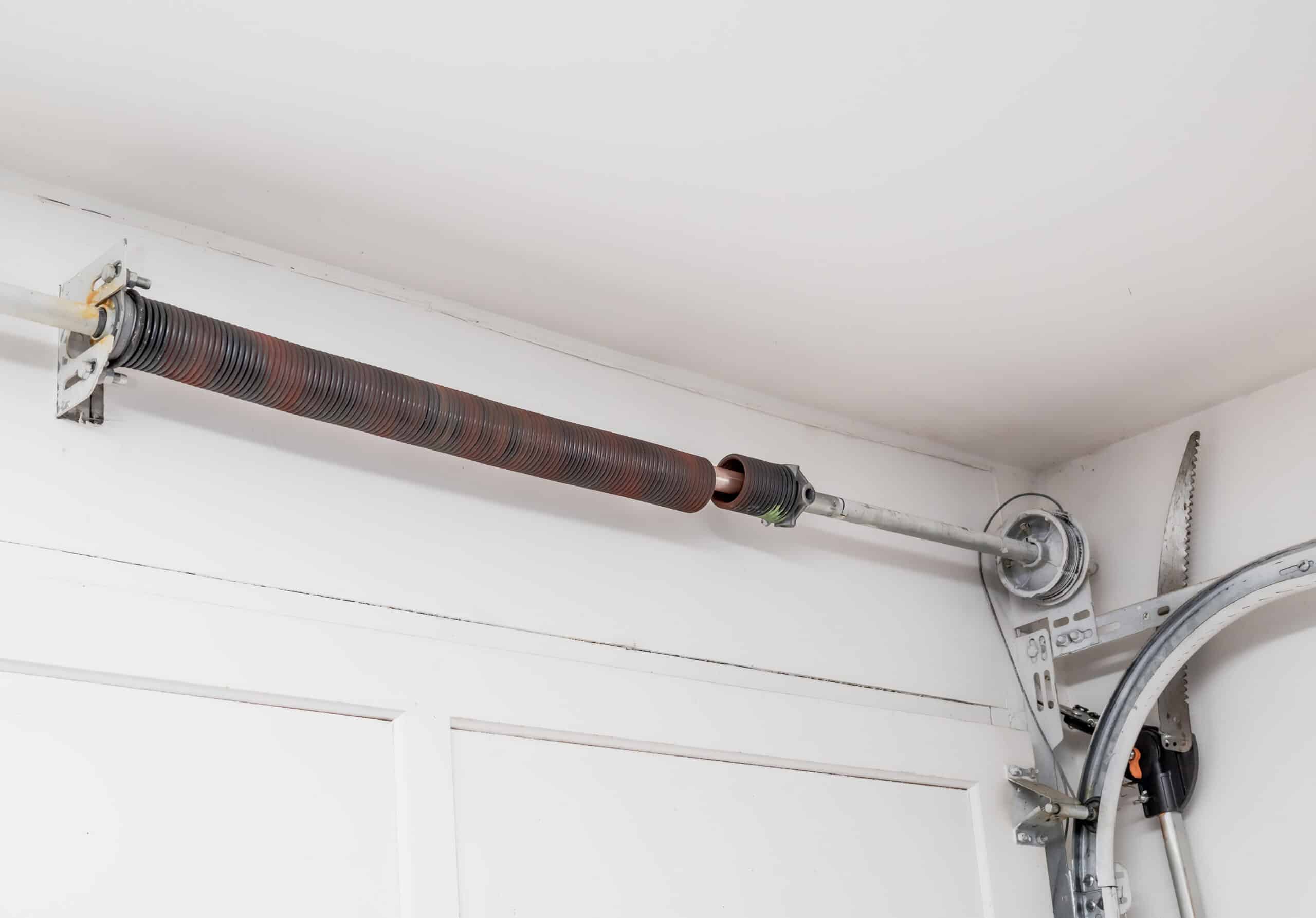
A garage door spring plays a critical role in balancing the weight of the door, allowing it to open smoothly either by hand or with the help of an opener. Torsion springs operate through controlled twisting, while extension springs rely on stretching and contracting to generate lifting force. In both cases, the springs remain under constant, intense tension so they can support the heavy load of the door. When a spring fails, that stored force is suddenly lost, leaving the door difficult and often unsafe to lift.
The lifespan of a garage door spring is determined less by the calendar and more by usage. Each time the door opens and closes counts as a cycle, and those cycles gradually wear the spring down. Factors such as the weight of the door, the thickness and diameter of the spring wire, and environmental conditions all influence how quickly that wear occurs. When springs are properly matched to the door and correctly installed, the system operates more efficiently and maintains reliable performance over a longer period.
For a deeper look at sudden failures, you may find the blog “Why Does a Garage Door Spring Break Unexpectedly?” helpful.
Common Garage Door Spring Types Used in San Antonio, TX
Most residential garage doors rely on one of two spring systems: torsion springs or extension springs. Torsion springs are mounted on a metal shaft above the door opening, where they lift the door by winding and unwinding with controlled torque. These systems commonly use two springs, each wound in opposite directions, to evenly balance the door’s weight and promote smooth operation.
Extension springs are installed along each side of the garage door, running parallel to the horizontal tracks. They work by stretching as the door closes and contracting as it opens, generating the force needed to lift the door. Because these springs store energy along their length, they are typically paired with safety cables that keep them contained if a failure occurs. While both spring types perform the same essential function, their design and behavior differ in several important ways.
Feature | Torsion Springs | Extension Springs |
Location | Mounted on a shaft above the door opening | Installed along each side above the horizontal tracks |
Mechanism | Twists and unwinds to raise and lower the door | Stretches and contracts to lift and lower the door |
Durability | Generally, it provides smoother operation and a longer service life | Often experience faster wear due to repeated stretching |
Safety | Remain secured on the shaft if a break occurs | Rely on safety cables to prevent uncontrolled movement |
How Texas Climate Conditions Influence Garage Door Spring Durability
Texas weather can have a noticeable impact on how long garage door springs remain effective. In many areas, prolonged heat combined with high humidity increases the likelihood of corrosion, which weakens the metal over time. Rust not only reduces the strength of the steel but also increases friction between the coils, causing springs to deteriorate more quickly than they would in drier environments.
Temperature fluctuations add another layer of stress that affects both the springs and the garage door opener. As springs repeatedly heat up and cool down, the metal expands and contracts, gradually reducing its structural integrity and placing added strain on the opener as it works harder to move the door. When corrosion is already present, these shifts can accelerate wear and increase the chance of failure. Because of these conditions, both torsion and extension springs in Texas may reach the end of their service life sooner than similar systems in milder climates, making regular monitoring especially important in regions where weather consistently places extra stress on the entire system.
Signs of a Broken Garage Door Spring or a Spring Nearing Failure
One of the clearest signs of a broken garage door spring is a sudden, loud bang coming from the garage, which occurs when the tightly wound coil finally snaps under extreme tension. After this happens, the garage door opener may still attempt to lift the door but will struggle or fail entirely because the spring is no longer supporting the weight. In systems that use torsion springs, a visible gap in the coil above the door often appears, indicating where the spring has separated.
Not all spring problems happen at once, and there are often warning signs before a complete failure. A garage door may begin to feel unusually heavy when lifted by hand, or its movement may become rough and uneven as it opens or closes. Some doors no longer open smoothly and instead drop faster than expected. In other cases, the lift cables connected to the springs may appear slack or worn. These changes suggest the springs are no longer balancing the door evenly, which places stress on the entire system and signals that attention is needed.
To learn more about early warning indicators, the blog “What Are Common Garage Door Spring Failure Signs?” offers additional insight.
Common Issues That Often Lead to Garage Door Spring Repair
Garage door springs are built to handle a limited number of cycles, with each opening and closing gradually adding stress to the metal. Over time, this repeated tension weakens the spring until it can no longer perform properly, which is why normal wear is one of the most common reasons for spring failure. This process tends to develop gradually, even though the final break may seem sudden.
In addition to regular use, several conditions can cause springs to wear out faster than expected. When a spring is not properly matched to the weight of the garage door, it must work harder during every cycle, accelerating fatigue. Environmental exposure and mechanical setup also play a role, particularly when combined over long periods. Common contributing factors include:
- Rust and corrosion, which weaken the steel and increase friction between the coils
- Poor maintenance, allowing hardware to bind or wear unevenly
- Improper tensioning, which places extra strain on both the spring and the opener
Any of these issues can affect how the entire garage door system functions. A weakened or broken spring also places added stress on other components, increasing the likelihood of further damage if the problem is not addressed.
Problems That Can Occur When a Garage Door Spring Is Damaged
A damaged garage door spring can cause a wide range of problems that extend beyond the spring itself, sometimes leading to issues that make panel replacement necessary. The most immediate concern is the loss of lifting support, since the springs are responsible for balancing the door’s weight. Without that assistance, the opener is forced to handle a load it was never designed to manage, which can quickly lead to mechanical strain and added stress on the door panels.
Safety concerns also increase when a spring is damaged, as the garage door may become unbalanced and unpredictable. The door can shift unevenly in the tracks or close with more force than intended, creating risks for people and property nearby. Additional issues that often appear include:
- The garage door is sitting crooked or misaligned in its tracks
- Lift cables are becoming tangled, frayed, or breaking under extra tension
- Rollers, hinges, and other hardware are wearing out faster due to added stress
- The door is becoming too heavy for most people to lift manually
Because these problems can escalate quickly, a damaged spring affects both the performance and stability of the entire system. Recognizing these signs early helps limit further strain and reduces the risk of more serious complications.
Causes of Garage Door Spring Wear That May Require Replacement
Garage door springs wear out primarily through repeated use, as they are engaged every time the door opens or closes. Torsion springs twist and unwind to manage the door’s weight, while extension springs stretch and retract to perform the same task, all while holding significant tension. Over thousands of cycles, this constant movement gradually fatigues the metal until it begins to weaken. Most springs are designed to handle a limited number of cycles, and once that threshold is reached, replacement becomes necessary to maintain proper door operation.
Additional factors can accelerate this natural wear. Exposure to moisture can lead to rust and corrosion, which compromise the strength of the metal and increase the likelihood of unexpected failure. Springs that are not properly matched to the door’s weight or that operate within an unbalanced system are also placed under excessive strain. That added stress affects not only the springs but the entire garage door assembly, including the opener and supporting hardware. Addressing spring wear at the right time helps preserve the performance and stability of the system as a whole.
For a closer look at the forces involved, the blog “What Stress Affects a Garage Door Spring Most?” explores this topic in more detail.
How Door Weight and Repeated Use Impact Garage Door Spring Performance
The performance and lifespan of a garage door spring are closely tied to the weight of the door and how frequently it is used. Heavier doors, such as those constructed from solid wood or insulated steel, require springs with greater strength to provide proper balance. When a spring is not suited to the door’s weight, it must work harder during every cycle, which can lead to reduced efficiency and faster wear.
Usage patterns play an equally important role. Because spring life is measured in cycles, a door that opens and closes many times each day will reach the end of its service life sooner than one used only occasionally. This makes proper sizing especially important, as springs that are correctly matched to the door’s weight and usage demands can maintain consistent performance for a longer period. When the balance is right, the door moves smoothly, strain on the system is minimized, and the spring is able to perform its job without unnecessary stress.
Ultimately, both door weight and daily use determine how a spring should perform within the system, especially in modern garage doors that rely on precise balance to function properly. A spring that is too strong can make the door difficult to close, while one that is too weak struggles to lift the load, placing added pressure on surrounding components. Maintaining the correct balance ensures smoother operation and supports the long-term reliability of garage doors over time.
Environmental Factors That Can Affect Garage Door Spring Replacement Cost Over Time
The cost of garage door spring replacement is closely tied to climate and location, as environmental conditions play a major role in how quickly springs wear out. In areas with high humidity or coastal exposure, moisture and salt in the air can lead to rust on both torsion and extension springs, weakening the steel and increasing friction as the coils move. Extreme temperature changes cause the metal to expand and contract repeatedly, while airborne salt and accumulated dust or debris further interfere with smooth operation, all of which accelerate wear. Because of these combined factors, garage door springs in harsher environments tend to fail much sooner than those in milder climates, often lasting only a few years instead of closer to a decade, which can lead to more frequent replacement over time.
Understanding how long a garage door spring is likely to last plays an important role in keeping your garage door operating smoothly and safely. Factors such as the type of spring in use, local weather conditions, and how frequently the door is opened and closed all influence its overall lifespan. Recognizing early signs of wear and knowing when attention may be needed helps maintain consistent performance while reducing the chance of unexpected issues. Addressing concerns early supports the long-term reliability of the entire garage door system and can help avoid larger problems over time.
For homeowners who want dependable service and clear guidance, Lincoln Garage Doors is known for delivering reliable solutions backed by experience and attention to detail. Our team focuses on keeping garage door systems operating safely and efficiently, whether the issue involves normal wear or unexpected spring concerns. If you want professional support you can trust, contact us today or give us a call to schedule an inspection or service appointment.
Frequently Asked Questions
How long does a garage door spring typically last before repair is required?
Most garage door springs are designed to last about 10,000 cycles, with one cycle defined as a full opening and closing of the door. For many households, this translates to roughly seven to ten years of use, although that range can shift depending on door weight, how often the door is used, and local weather conditions. Heavier doors or frequent daily operation place greater strain on the springs, which can shorten their usable lifespan.
Why won’t a garage door open when the garage door spring appears intact?
A garage door spring can lose tension over time without visibly breaking, leaving it unable to properly counterbalance the door’s weight. When this happens, the door becomes too heavy for the opener to lift. Other issues within the system, such as problems with the opener or safety components, can also prevent the door from opening, which is why a full inspection is often needed to identify the exact cause.
How do door size and weight affect garage door spring lifespan in San Antonio, TX?
Door size and weight have a direct impact on spring longevity. Heavier doors, including those made from solid wood or insulated materials, require stronger springs that must handle greater force during each cycle. In San Antonio, where garage doors are often used frequently, this added load can cause springs to wear out sooner if they are not properly matched to the door’s weight.
What are the main types of garage door springs, and how do they function differently?
Garage doors typically rely on either torsion springs or extension springs, each designed to manage the door’s weight in a different way. Torsion springs are mounted on a shaft above the door and lift it through controlled twisting as the door moves, while extension springs are positioned along the sides and generate force by stretching and contracting during operation. Although both systems perform the same essential function, their mechanics differ in how they store and release energy, which affects how the door moves and responds over time. For a more detailed explanation of how these spring systems work, this overview from Clopay Door provides helpful background.
What occurs within the door system when a garage door spring fails?
When a garage door spring fails, the system immediately loses its balance, and the full weight of the door shifts to other components. The opener is not designed to lift the door on its own, so the door may stop moving or suddenly drop if it is in motion. This loss of support makes the door unsafe to operate until the spring issue is addressed.
Can a garage door spring lose tension without becoming a broken garage door spring?
Yes, springs can gradually lose tension as the metal fatigues over time. Even without a visible break, this loss of strength reduces the spring’s ability to lift and balance the door. Common signs include a door that feels heavier than usual, does not stay open, or closes more quickly than expected, all of which indicate declining spring performance.
Is it safe to use a garage door when a broken garage door spring is present?
Using a garage door with a broken spring is not safe. Without proper spring support, the door can fall unexpectedly or place excessive strain on the opener, increasing the risk of injury or additional damage. Once a broken spring is suspected, the door should remain unused until the issue is resolved.
Why is garage door spring replacement sometimes performed on both springs at once?
On systems that use two torsion springs, both springs experience the same usage and wear. When one fails, the other is often close to the end of its service life as well. Replacing both at the same time helps maintain proper balance and reduces uneven strain on the door and opener.
How does garage door construction influence garage door spring performance?
Garage door construction plays a major role in determining how much weight the springs must support during daily operation. Lightweight, single-layer doors place far less demand on the spring system than multi-layer or insulated doors made from steel or wood, which require greater lifting force and place added strain on the components. When springs and supporting hardware are properly matched to the door’s construction, the system operates more smoothly and avoids unnecessary wear over time. For additional perspective on how door design and materials influence spring lifespan, this resource from Serious Materials offers useful insights.
How do environmental conditions affect long-term garage door spring wear?
Environmental factors such as humidity, salt in the air, and frequent temperature changes can accelerate spring wear. Moisture promotes rust, which weakens the metal, while repeated heating and cooling cause expansion and contraction that leads to fatigue. In harsher climates, these conditions often cause springs to wear out more quickly than in milder environments.