

Garage door remotes make everyday life more convenient by allowing homeowners to open or close the garage door with the press of a button. Although this process takes only seconds, it involves several components working together, including the remote transmitter, opener receiver, security coding, safety sensors, and the garage door opener motor.
When a remote sends a wireless signal, the garage door opener activates the motor that moves the door. Issues such as weak batteries, signal interference, or compatibility problems can sometimes affect how the system functions.
In places like San Antonio, TX, where garages are often the main home entry point, keeping the garage door opener system working properly is important for both convenience and safety. Below are several ways a garage door remote communicates with the opener and what homeowners can watch for to keep the system operating reliably.
The Remote Sends a Wireless Radio Signal
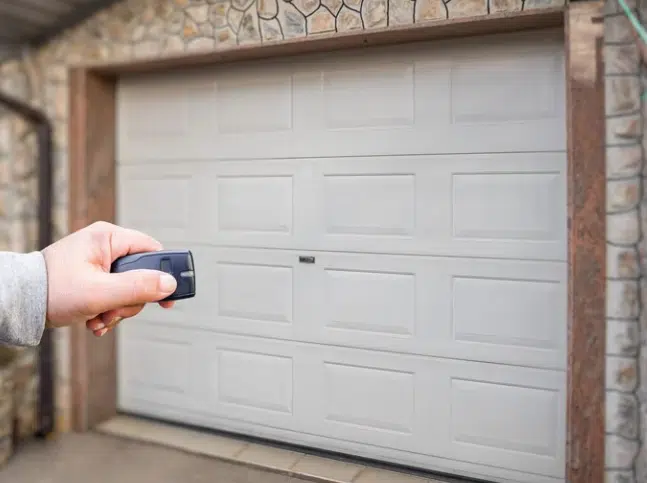
When the button on a garage door remote is pressed, the device sends a radio frequency signal to the garage door opener. Inside the remote is a small transmitter that generates this signal.
Most garage door remotes operate within a frequency range of approximately 300 to 390 MHz, which allows the signal to travel from the remote to the opener, even from inside a vehicle.
This wireless communication is what makes modern garage doors convenient. As long as the remote is within range, the signal can reach the opener and trigger the system.
However, several factors can affect the strength of a garage door remote signal, including:
- Weak batteries
- Physical obstructions
- Electronic interference
- Excessive distance from the opener
Garage door professionals often notice that signal problems are commonly related to battery issues or interference from nearby electronics.
What Homeowners Can Check
If the garage door remote works inconsistently, a few simple observations may help identify the cause:
- Check whether the remote works only when close to the garage
- Observe if other electronics are nearby
- Test the remote after replacing the battery
If the signal range continues to decrease, a garage door system inspection may help determine whether the issue involves the remote, the opener receiver, or other electronic components.
For additional insights on selecting the right remote for your system, the blog How to Choose the Right Garage Door Remote for Your Opener offers helpful guidance on compatibility and remote options.
The Garage Door Opener Receiver Detects the Signal
Inside the garage door opener unit is a receiver that constantly listens for signals from programmed remotes. When the receiver detects a signal that matches the system’s programming, it sends a command to activate the opener motor.
Most openers also have a small antenna that hangs from the motor unit. This antenna helps the opener detect signals from the remote more easily.
If the antenna becomes damaged, bent, or obstructed, the remote signal may not reach the receiver properly.
Some signs that may indicate receiver or antenna issues include:
- The remote works only at a very close range
- The opener responds inconsistently
- The opener light flashes, but the door does not move
In many San Antonio garages, dust buildup or heat exposure can occasionally affect electronic components. Regular observation of the opener area can help identify small issues before they affect daily operation.
Helpful Tip
Homeowners may occasionally check the antenna to ensure it hangs freely and is not tangled or damaged. If problems persist, a technician may inspect the opener control board and receiver components.
For additional troubleshooting insights, the blog Why Is a Garage Door Remote Not Responding? explains several common causes behind remote signal issues.
The Rolling Code Security System Verifies the Signal
Modern garage door openers include a rolling code security system designed to protect homes from unauthorized access.
Each time the remote is used, the signal code changes automatically. The opener and remote stay synchronized so the receiver recognizes the next valid code.
This technology prevents potential intruders from copying the signal and gaining access to the garage.
Older garage door openers sometimes used fixed codes that remained the same every time the remote was pressed. Today’s rolling code systems provide significantly improved security.
Common signs that may indicate programming or security system issues include:
- The remote suddenly stops working
- The remote work only occasionally
- New remotes cannot be programmed successfully
What May Help
If the remote stops responding after working normally for a long time, the system may need remote reprogramming. A garage door professional can evaluate the opener’s memory and ensure the remote is compatible with the garage door opener security system.
For a deeper look at compatibility concerns, the blog Can Any Garage Door Remote Work With Your Opener? explains how different remotes and opener systems work together.
The Opener Motor Activates the Garage Door System
Once the receiver verifies the signal, the garage door opener motor begins operating. The motor drives a mechanism that moves the garage door along the tracks.
Several types of drive systems are commonly used, including:
- Chain drive garage door openers
- Belt drive garage door openers
- Screw drive garage door openers
While the opener motor controls the movement, it does not lift the entire weight of the door by itself. Garage door springs are responsible for balancing the weight of the door so the opener can move it smoothly.
If the springs become worn or unbalanced, the opener may struggle even though the remote signal is working properly.
Some signs to observe include:
- The garage door moves slowly after pressing the remote
- The door appears heavy or uneven
- Unusual noises occur when the door moves
These symptoms may indicate that other parts of the garage door system, such as springs, rollers, or tracks, require attention.
Safety Sensors Confirm the Door Can Close Safely
Garage door systems include photo eye safety sensors located near the bottom of the door tracks. These sensors prevent the garage door from closing if something blocks the path.
The sensors send an invisible beam between them. If that beam is interrupted, the opener automatically stops or reverses the door.
Even when the remote is working correctly, the door may refuse to close if the sensors detect an obstruction.
Common reasons the sensors may prevent closing include:
- Objects blocking the beam
- Dirty sensor lenses
- Misaligned sensor brackets
- Loose wiring connections
Quick Things to Check
Homeowners can sometimes identify simple issues by observing the sensor area:
- Confirm that nothing is blocking the sensor path
- Gently clean dust from the lenses
- Check that both sensors face each other directly
Garages in San Antonio, TX, often collect dust near the floor, which can occasionally affect sensor performance if the lenses become dirty.
The Remote Battery Powers the Entire Process
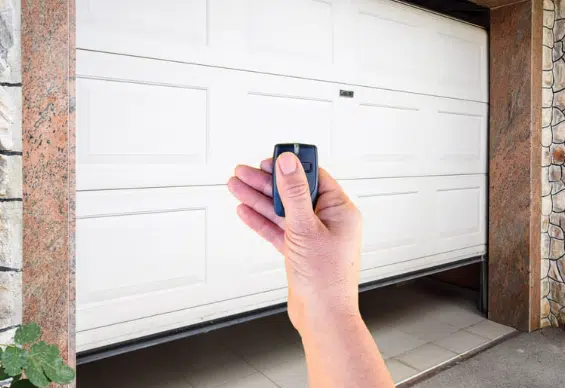
The garage door remote relies on a small battery to transmit its signal. When the battery becomes weak, the remote may begin showing signs of failure.
Some common symptoms of a weak garage door remote battery include:
- The remote works only when very close to the garage
- The door responds intermittently
- The remote stops working entirely
Garage door technicians frequently find that battery replacement resolves many remote issues.
Helpful Maintenance Tip
Replacing the remote battery periodically can help avoid unexpected problems. It may also help to:
- Store the remote in a dry place
- Avoid dropping the remote
- Protect it from extreme temperatures
During hot San Antonio summers, vehicles parked outside may become very warm, which can sometimes affect electronic devices left inside the car.
The Remote and Opener Must Be Compatible
Not every garage door remote works with every opener. Compatibility depends on several factors within the garage door opener system.
Important compatibility factors include:
- Opener brand
- Frequency of the remote signal
- Rolling code technology
- Receiver type
Many homeowners assume that any replacement remote will work with their opener. However, garage door professionals often verify the opener model number and manufacturing year before recommending a replacement.
Using an incompatible remote may lead to:
- Programming difficulties
- Inconsistent operation
- Repeated signal failures
Universal garage door remotes are available, but they still need to match the opener’s technology and frequency.
Selecting the correct remote from the beginning can help avoid repeated troubleshooting.
Tips to Keep a Garage Door Remote Working Properly
Regular observation and small maintenance habits can help keep the garage door opener and remote system working reliably. Including occasional garage door maintenance as part of routine home care can also support the long-term performance of the entire garage door system.
Helpful practices include:
- Replacing remote batteries periodically
- Keeping the remote away from moisture
- Avoid dropping or crushing the remote
- Checking the garage door opener antenna occasionally
- Watching for unusual door behavior
Routine observation of how the automatic garage door responds to the remote can help detect small issues early.
If the remote becomes damaged or stops responding, the average cost of garage door remote replacement may vary depending on the type of remote and compatibility with the opener system.
When to Contact a Garage Door Professional
Some garage door remote issues may be related to internal components within the garage door system.
Professional evaluation may be helpful when:
- The remote will not program with the opener
- Multiple remotes stop working at the same time
- The opener responds unpredictably
- The garage door reverses unexpectedly
During an inspection, technicians often examine several parts of the garage door system, including:
- The garage door opener receiver
- Remote frequency compatibility
- Safety sensors and wiring
- Opener electronics and control board
Homes in San Antonio, TX, may benefit from occasional garage door inspections because frequent daily use, temperature changes, and dust exposure can gradually affect both mechanical and electronic components.
Early inspection can help prevent small remote issues from turning into larger garage door operational problems.
Why Understanding How a Garage Door Remote Works Matters
A garage door remote works by sending a wireless signal to the opener, which activates the motor and moves the door safely along its tracks. Although the process happens in seconds, multiple components work together, including the remote transmitter, opener receiver, security system, motor, and safety sensors.
Understanding how these parts communicate can help homeowners recognize early warning signs when the system is not operating as expected. Issues such as weak batteries, sensor obstructions, or compatibility problems may affect how the remote interacts with the opener.
Regular observation of the garage door system and occasional professional inspections can help maintain reliable performance. In some cases, problems with the door itself, such as damaged sections, may also affect how smoothly the system operates, and situations like these may require garage door panel replacement to restore proper balance and movement. For many homes in San Antonio, where the garage often serves as a primary entrance, keeping the garage door opener and remote system functioning properly plays an important role in daily convenience and home security.
Professional Garage Door Remote Help in San Antonio, TX
When garage door remote concerns arise, working with a knowledgeable local provider can help ensure the system continues operating smoothly. Lincoln Garage Doors LLC provides professional garage door inspections, remote troubleshooting, and opener evaluations for homeowners in San Antonio and nearby areas. Our experienced technicians understand how garage door systems function as a whole and focus on helping homeowners maintain safe and reliable operation. If a garage door remote begins responding inconsistently or stops working altogether, scheduling an inspection can help restore dependable performance. Contact us today or give us a call to schedule a professional garage door evaluation.
