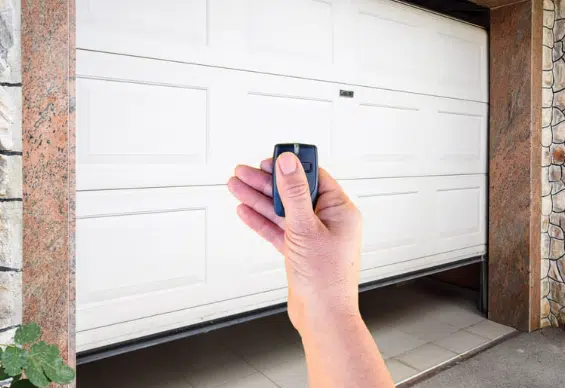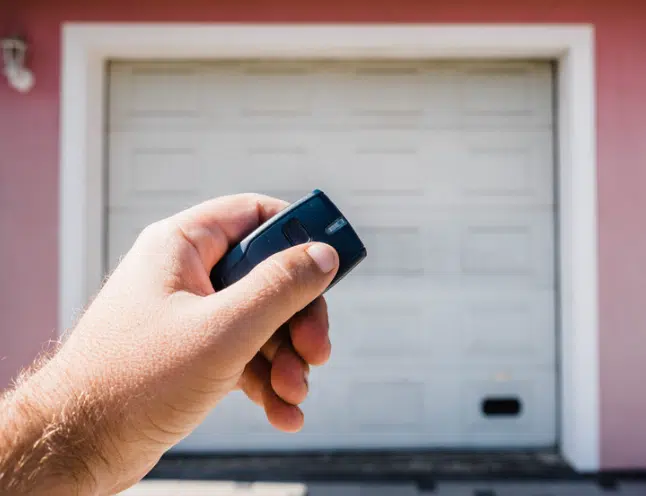
Garage door remotes make it easy to open or close the garage door with the press of a button. However, not all remotes work with every garage door opener.
Compatibility depends on factors such as the opener brand, remote frequency, security technology, and receiver type. In places like San Antonio, TX, where garage doors are used frequently, regular use and environmental conditions like heat and dust can affect system components over time.
Understanding these factors can help homeowners choose compatible remotes and avoid unnecessary replacements.
Garage Door Remote Compatibility Often Depends on the Opener Brand
One of the most important factors affecting compatibility is the garage door opener brand. Most manufacturers design remotes to work with specific models and systems within their product line.
Common garage door opener brands include:
- LiftMaster
- Chamberlain
- Genie
- Craftsman
- Linear
Each brand may use different communication protocols that allow the remote to send signals to the opener. If a remote is not designed for a specific brand or compatible system, the garage door opener may not recognize the signal.
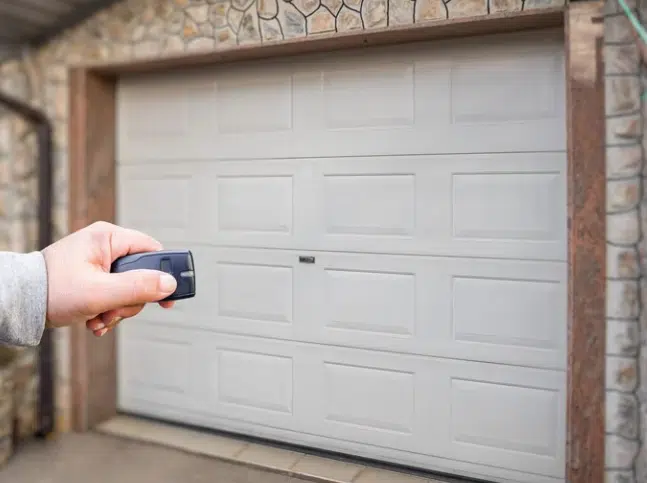
What homeowners can check
Before purchasing a replacement remote, it helps to identify the garage door opener model number. This information is typically found on the motor unit mounted on the garage ceiling.
Looking for the following details can help determine compatibility:
- Opener brand name
- Model number
- Manufacturing date
- Learn the button color on the opener unit
These details can make it easier to find the correct remote for the system.
Helpful tip
Taking a quick photo of the opener label inside the garage can make it easier to identify compatible remotes when researching replacement options.
For additional guidance, the blog “How to Choose the Right Garage Door Remote for Your Opener” offers helpful information on selecting a compatible replacement remote.
The Garage Door Remote Frequency Must Match the Opener
Garage door remotes communicate with the opener using a radio frequency signal. If the remote and opener operate on different frequencies, the opener will not respond.
Common garage door remote frequencies include:
- 300 MHz
- 310 MHz
- 315 MHz
- 390 MHz
Older garage door systems often use fixed frequencies, while newer systems use more advanced technology to communicate securely.
Signs that the frequency may not match
Homeowners may notice the following issues:
- The remote fails to program with the opener
- The garage door opener does not respond to the remote
- The LED indicator on the opener does not acknowledge the signal
What to check first
Checking the garage door opener manual or model information can help determine the correct frequency needed for a compatible remote.
For a better understanding of the technology behind it, the blog “How Does a Garage Door Remote Work With an Opener?” explains how remotes communicate with garage door openers.
Older Garage Door Openers May Use Different Security Technology
Garage door opener technology has improved significantly over the years. Many older systems use fixed code technology, which sends the same signal every time the remote button is pressed.
Modern garage door openers usually rely on rolling code technology, which changes the signal each time the remote is used. This helps improve security and prevents unauthorized access.
Why this matters
A remote designed for rolling code systems may not work with older fixed code openers. Likewise, older remotes may not communicate properly with newer systems.
Safety consideration
Garage door openers installed more than 15 to 20 years ago may lack some of the safety and security improvements found in modern systems. When compatibility problems occur, it may be helpful to have the garage door system evaluated by a professional technician.
For additional troubleshooting insights, the blog “Why Is a Garage Door Remote Not Responding?” explores several common causes behind remote issues.
Universal Garage Door Remotes Can Work With Many Systems
Many homeowners consider universal garage door remotes when replacing a lost or damaged device.
A universal remote is designed to work with several major garage door opener brands. These remotes can often be programmed to match multiple systems, which makes them a convenient option.
However, universal remotes are not guaranteed to work with every opener.
Compatibility may depend on:
- Garage door opener age
- Receiver technology
- Remote signal frequency
- Security system design
Some older garage door systems may require brand-specific remotes.
Helpful tip
Universal remotes tend to work best with garage door openers that include a learn button on the motor unit.
The Garage Door Opener Receiver Plays a Major Role
Inside every garage door opener is a small electronic component known as the receiver. This device detects the signal sent by the remote control.
If the receiver cannot interpret the signal correctly, the garage door opener will not activate.
Receiver problems may occur due to:
- Aging electronic components
- Electrical issues within the opener
- Internal circuit damage
- Signal interference
Signs of receiver problems
Some warning signs may include:
- Multiple remotes stop working at the same time
- The wall control button works, but the remote does not
- The garage door opener responds inconsistently
When these symptoms appear, the issue may involve the receiver rather than the remote itself.
A professional garage door technician can evaluate the opener, receiver and other components during a system inspection.
Signal Interference Can Affect Garage Door Remote Performance
Sometimes the remote and opener are compatible, but signal interference prevents proper communication.
Wireless signals from nearby electronic devices can interfere with garage door remote signals.
Common sources of interference include:
- LED garage lighting
- Wi-Fi routers
- Home security systems
- Wireless cameras
- Radio transmitters
When interference occurs, homeowners may notice that the remote only works when standing very close to the garage door.
What to check
Several simple observations can help identify interference problems:
- Check whether the opener antenna is hanging freely
- Observe if the remote works better outside the garage
- Look for recently installed electronic devices nearby
In some situations, relocating or adjusting nearby electronics may help improve signal strength.

Physical Damage Can Cause Garage Door Remotes to Stop Working
Garage door remotes are small devices that are frequently carried in vehicles, pockets, or bags. Because of this, they can easily experience wear and tear over time.
Common causes of remote damage include:
- Dropping the remote
- Exposure to moisture or rain
- Battery corrosion
- Extreme temperatures inside vehicles
Signs of a damaged garage door remote
Homeowners may notice:
- Buttons that feel stuck or loose
- The LED indicator does not light up
- Reduced signal range
- The remote work works intermittently
Sometimes replacing the battery can restore function. However, internal damage may require replacing the remote entirely.
The average cost of garage door remote replacement may vary depending on the brand and compatibility with the opener system.
Proper Programming Is Necessary for the Remote to Work
Even when the correct remote is selected, it must still be properly programmed to communicate with the garage door opener.
Most modern garage door openers use a learn button located on the motor unit. Pressing this button allows the opener to store the remote signal.
The programming process typically involves:
- Pressing the learn button on the opener
- Pressing the remote button
- Allowing the opener to recognize the signal
Signs programming may not have worked
Some indicators of programming issues include:
- The garage door does not respond
- The remote work is temporary, but it stops
- Multiple attempts fail
When programming continues to fail, compatibility issues or receiver problems may be involved.
Professional technicians often have the tools and experience needed to diagnose these issues safely.
When Professional Help May Be Necessary
Some garage door remote problems involve internal components that may not be easy to diagnose without professional tools.
Professional evaluation may be helpful when:
- The remote will not program with the opener
- Multiple remotes stop working at the same time
- The opener responds unpredictably
- The garage door reverses unexpectedly
During an inspection, technicians often evaluate several components within the garage door system, including:
- The garage door opener receiver
- Wiring connections
- Safety sensors
- Internal opener electronics
Homes in San Antonio, TX often experience heavy garage door usage due to daily commuting and active households. Over time, frequent operation, dust accumulation, and heat exposure can affect garage door opener electronics and remote performance.
Periodic inspections and routine garage door maintenance can help maintain the reliable operation of the automatic garage door system.
Tips to Help Prevent Garage Door Remote Problems
A few simple maintenance habits can help keep a garage door remote and garage door opener system working reliably.
Helpful practices include:
- Replacing remote batteries periodically
- Keeping the remote away from moisture or water
- Avoid dropping or crushing the remote
- Checking the garage door opener antenna occasionally
- Watching for unusual garage door behavior
Regular observation of how the garage door responds to the remote can help identify small issues before they interrupt daily routines.
Preventive garage door maintenance can also reduce unnecessary strain on the garage door opener motor and other garage door electronic components.
Understanding Garage Door Remote Compatibility for Reliable Operation
Not every garage door remote will work with every garage door opener. Compatibility depends on several factors, including brand, frequency, receiver technology, and security system design.
Understanding how these components interact can help homeowners avoid purchasing incompatible remotes or dealing with frustrating programming issues.
For homeowners in San Antonio, TX, frequent garage door use and environmental conditions such as heat and dust can gradually affect remote performance and opener electronics. Paying attention to early warning signs and checking compatibility before replacing a remote can help maintain reliable operation.
When garage door remote problems continue, or the opener begins behaving unpredictably, a professional inspection can help determine whether the issue involves the remote, the receiver, or another component within the garage door system. In some cases, technicians may also evaluate the overall condition of the door itself, since issues such as damaged panels may require garage door panel replacement to restore safe and balanced operation.
Professional Garage Door Remote and Opener Support in San Antonio, TX
Homeowners in the San Antonio area looking for reliable support can consider Lincoln Garage Doors LLC, a company known for providing professional garage door inspections, opener evaluations, and dependable service. Our technicians understand how garage door systems function as a whole and focus on helping homeowners keep their garage doors operating safely and efficiently. If a garage door remote stops responding or compatibility issues arise, scheduling an inspection can help restore dependable garage door operation. Contact us today or give us a call to schedule a professional garage door inspection.