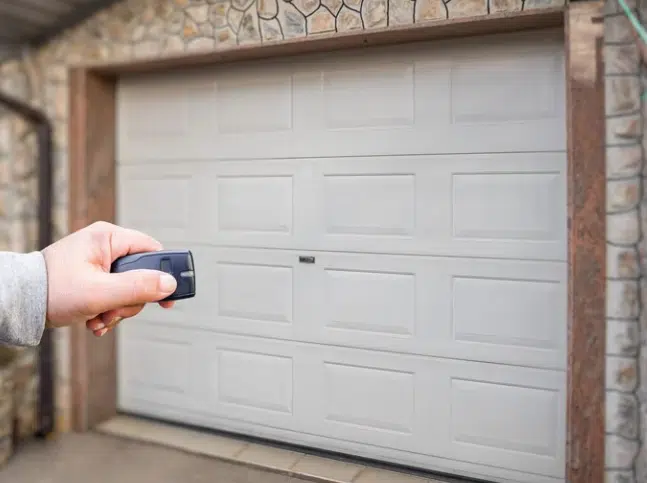
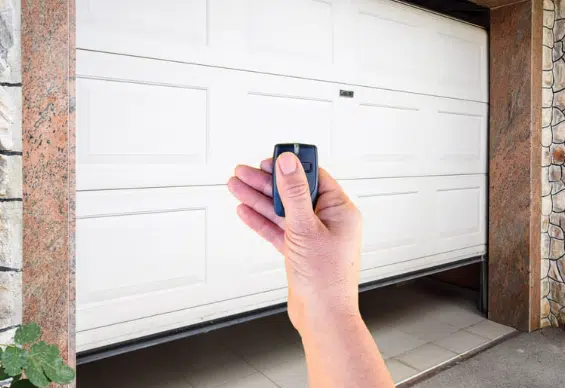
A garage door that suddenly stops responding can feel like a major problem. Many homeowners immediately assume the garage door opener has failed. In reality, one of the most common causes of a LiftMaster garage door opener remote not working is much simpler: a dead battery.
In San Antonio, TX, garage door systems face extreme heat, humidity, dust, and sudden storms. These environmental factors can shorten battery life and affect electronic components inside both the remote and the garage door opener. Before assuming a costly repair is needed, it is important to understand how the system works and what to check safely.
This guide explains the most common causes, what to look for, how to prevent the issue, and when professional garage door service may be necessary.
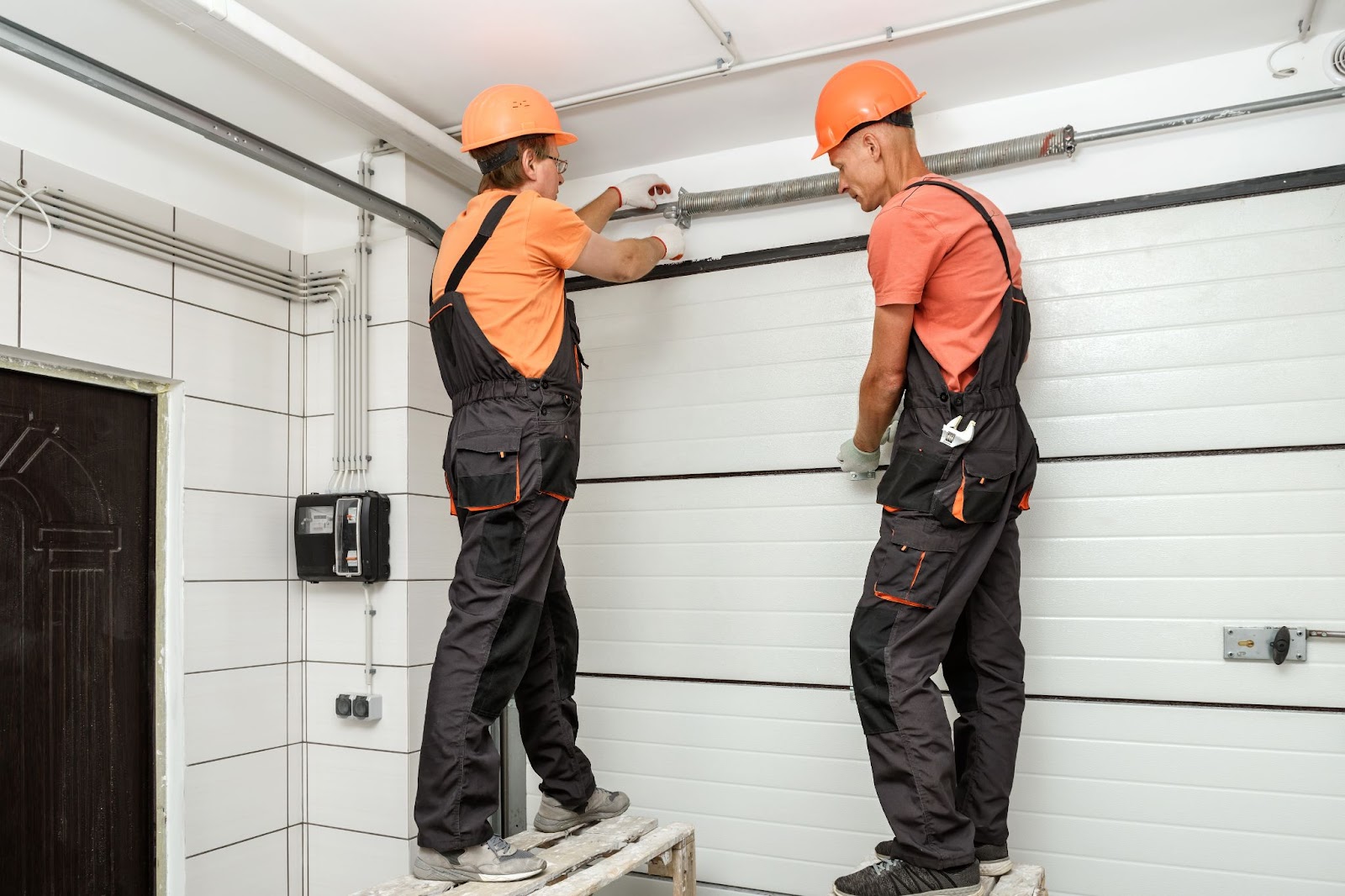
Yes, a Dead Battery Is the Most Common Cause
A LiftMaster remote relies on a small coin-cell battery to power its internal transmitter. When the battery weakens or dies, the remote cannot send a strong radio signal to the garage door opener.
Common Signs of a Dead Remote Battery
- The garage door does not respond at all
- The LED light on the remote does not turn on
- The LED light appears dim
- The button must be pressed multiple times
- The remote only works when standing very close to the door
In San Antonio, many remotes are left inside vehicles. During summer months, interior vehicle temperatures can exceed 120°F. Prolonged heat exposure significantly reduces battery lifespan.
Under normal conditions, LiftMaster remote batteries typically last between 1 and 2 years. In extreme Texas heat, that lifespan may be shorter.
For more troubleshooting tips and step-by-step guidance, read the full guide titled “LiftMaster Remote Not Working? Common Fixes and Quick Checks.”
How a LiftMaster Remote and Opener System Works
Understanding the basic function of the system helps narrow down the issue quickly.
When the remote button is pressed:
- The battery powers a small radio transmitter.
- The transmitter sends a radio frequency (RF) signal.
- The opener’s antenna receives the signal.
- The motor activates and moves the garage door.
If the battery is weak, the radio signal becomes weak. The opener may not detect the signal, even if the remote light still turns on.
Key Components Involved
- LiftMaster garage door remote
- Garage door opener motor unit
- Antenna wire
- Wall control panel
- Safety sensors
- Garage door keypad (if installed)
If multiple control devices stop working at the same time, the problem may not be limited to the remote battery.
For a deeper breakdown of sudden system failures and what they really mean, read “Why Is My LiftMaster Remote Not Working Suddenly?”
Why San Antonio Weather Affects Remote Performance
San Antonio’s climate presents unique challenges for garage door systems:
- Extended periods of high heat
- Humidity fluctuations
- Sudden lightning storms
- Dust accumulation
Heat accelerates chemical breakdown inside batteries. Over time, battery output weakens.
Storm-related power surges can also affect the opener’s internal logic board. In some cases, what appears to be a remote problem is actually an electrical issue inside the motor unit.
In certain areas of San Antonio, radio frequency interference from nearby homes or facilities may also reduce signal strength.
For reset-related troubleshooting and deeper insight, explore “Why Does My LiftMaster Remote Not Working After Reset?”
What to Check Before Replacing the Remote
Before assuming the remote needs replacement, perform a few safe checks.
Check the Remote LED Light
Press the remote button:
- No light usually indicates a dead battery.
- A dim light suggests a weak battery.
Test the Wall Control Panel
If the wall button opens the door but the remote does not, the battery is likely the issue.
If neither control works, check the opener’s power source.
Inspect the Safety Sensors
Safety sensors near the bottom of the garage door tracks should display solid indicator lights. Blinking lights may indicate misalignment, which can prevent the door from closing.
Look at the Antenna Wire
The opener’s antenna should hang down freely. If tucked inside the unit or damaged, the signal range may decrease.
Simple Ways to Prevent Remote Battery Problems
Preventive care helps avoid unexpected remote failure.
Replace the Battery Once Per Year
Even if the remote still functions, replacing the battery annually reduces the chance of sudden failure.
Avoid Leaving the Remote in a Hot Vehicle
Excessive heat is one of the fastest ways to drain battery life.
Keep the Remote Dry
Moisture exposure can damage internal components.
Install Surge Protection
San Antonio lightning storms can affect garage door opener electronics. Surge protection helps reduce risk.
Schedule Annual Garage Door Maintenance
Routine garage door maintenance includes checking electrical connections, opener function, signal strength, and overall system balance. Preventive inspections often identify small issues before they turn into larger repairs.
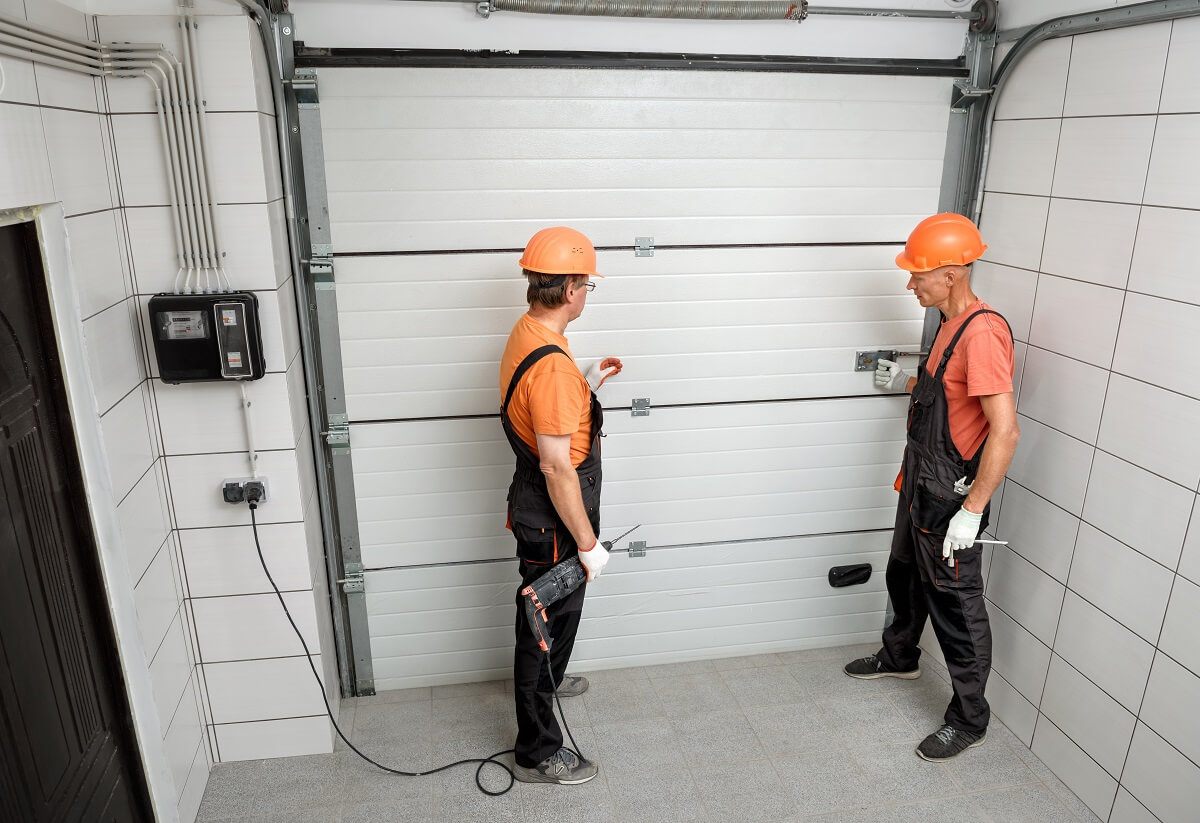
When the Battery Is Not the Problem
If replacing the battery does not restore function, other issues may be involved.
Remote May Need Reprogramming
Occasionally, the remote loses its connection to the opener. Reprogramming may be required.
Signal Interference
LED bulbs, nearby electronics, and radio frequency interference can weaken signals.
Opener Logic Board Failure
If all remotes stop working at once, the opener’s logic board may be failing.
Warning signs include:
- Random flashing lights
- Clicking sounds without door movement
- Wall control is functioning inconsistently
Logic board replacement should be handled by a trained technician due to the electrical components and safety risks involved.
Mechanical Problems That Mimic Remote Failure
Sometimes the remote functions properly, but the door does not move.
Watch for these signs:
- The motor hums, but the door does not lift
- The door feels unusually heavy
- The door slams shut
- A visible gap appears in the torsion spring
A broken torsion spring places excessive strain on the opener. The remote may be sending the signal correctly, but the opener cannot lift the door’s weight.
Broken spring replacement involves high-tension components and should only be performed by qualified professionals.
Average Repair Cost Expectations
Battery replacement is typically minimal in cost. However, other repairs vary depending on the issue. In many cases, routine garage door maintenance helps identify small electrical or mechanical problems early, preventing more expensive repairs later.
General Average Cost Ranges Include:
- Remote battery replacement: very low cost
- Remote replacement: moderate cost
- Reprogramming service: standard service fee
- Opener replacement: higher investment
- Annual garage door maintenance service: moderate preventative investment
Accurate diagnosis and consistent garage door maintenance prevent unnecessary part replacement, reduce unexpected breakdowns, and help control long-term expenses.
When to Contact a Garage Door Professional in San Antonio
Professional garage door service is recommended if any of the following occur:
- Breakers trip repeatedly
- A burning smell comes from the motor unit
- Flashing lights will not reset
- Multiple controls stop working simultaneously
- The door reverses unexpectedly
- Electrical wiring appears damaged
- The garage door moves unevenly or makes loud grinding noises
Garage doors are the largest moving system in a home. Because a garage door operates under high spring tension and relies on electrical components, improper handling can create serious safety risks.
Prompt garage door inspection and repair often prevent further damage, reduce long-term costs, and extend the overall lifespan of the system.
Why Annual Garage Door Maintenance Is Essential in Texas
San Antonio’s environment increases wear on garage door systems.
Heat causes metal expansion. Dust buildup affects sensors and tracks. Storm activity impacts electronics. Over time, extreme temperature shifts can also cause panels to warp, crack, or fade, which may eventually require garage door panel replacement to maintain proper alignment and structural integrity.
During a professional inspection, technicians typically:
- Test opener force settings
- Inspect wiring connections
- Check spring tension and door balance
- Lubricate moving components
- Confirm remote communication
- Evaluate overall system performance
- Inspect panels for dents, cracks, or separation
If damage is isolated to one section, garage door panel replacement may restore appearance and function without requiring a full door replacement.
Regular maintenance improves safety, reliability, and long-term durability.
What to Do If Your LiftMaster Remote Fails
A LiftMaster remote not working is often caused by a simple dead battery, especially in the high-heat climate of San Antonio, TX.
Start with the basics:
- Replace the battery
- Test the wall control
- Inspect safety sensors
- Check for visible mechanical damage
If the issue continues, the cause may involve signal interference, a failing logic board, or a mechanical imbalance, such as a worn spring.
Early diagnosis prevents larger repairs and improves overall system reliability. Regular garage door maintenance remains one of the most effective ways to avoid unexpected remote failures and costly breakdowns.
When in doubt, a professional evaluation ensures the system operates safely and efficiently year-round.
Reliable Garage Door Experts in San Antonio
For homeowners in San Antonio seeking dependable service, Lincoln Garage Doors LLC is known for reliable diagnostics, honest recommendations, and quality workmanship. From remote troubleshooting to full system inspections, experienced technicians focus on long-term solutions that keep garage doors operating safely and smoothly. Contact us today or give us a call to schedule a professional inspection and restore confidence in your garage door system.