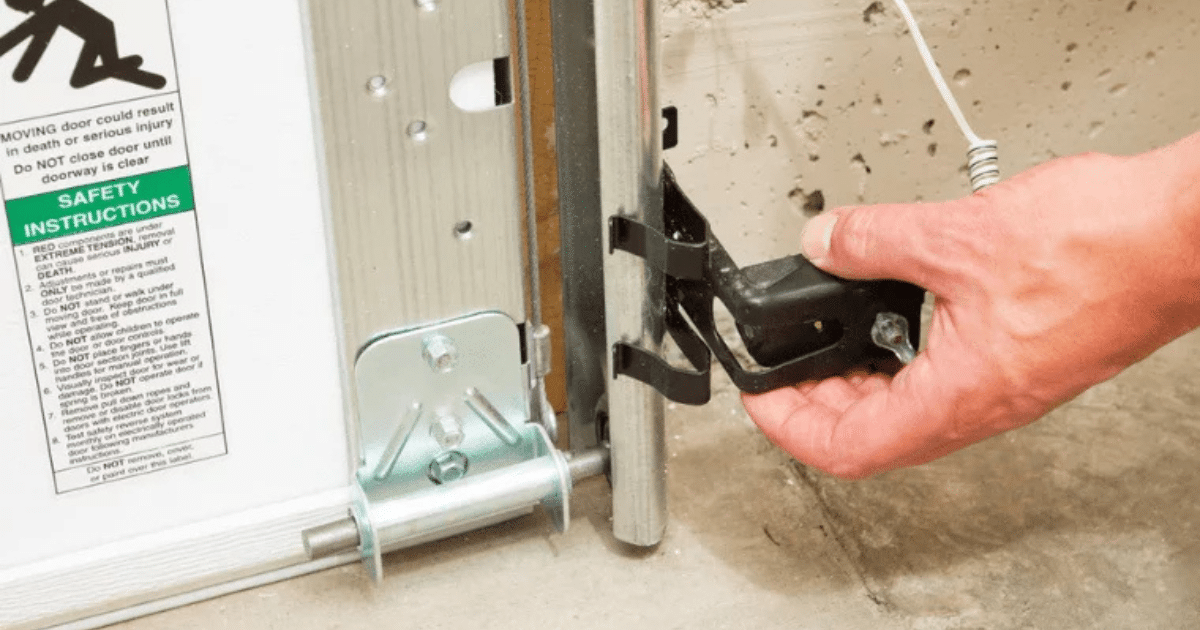
A broken spring changes everything about how a garage door moves, and the question of whether it can still be lifted deserves a direct and honest answer. The door may seem like it can still be pushed or pulled open, but the forces working against that idea are far greater than they appear.
Lifting a garage door with a broken spring puts the full, unmanaged weight of the door in motion without the counterbalance that would otherwise keep the movement controlled. Understanding what actually happens when that spring is gone is the first step toward making the right call about garage door spring repair before anyone gets hurt.

Is It Safe to Open a Garage Door With a Broken Spring?
Opening a garage door with a broken spring is not just difficult, it is a situation that puts the entire door system under immediate stress and places everyone nearby at risk the moment any movement is forced.
Here is why opening a garage door with a broken spring is never a good idea:
- The door has no counterbalance and becomes dangerously heavy the moment it moves.
- The spring is what makes the door controllable during opening and closing.
- Without a working spring, the door can drop or slam without any warning.
- Connected components are already under stress and can fail at any point.
- Operating the door this way puts both people and property directly in harm’s way.
To understand what these risks look like before a spring fully gives out, read our guide on Signs That Indicate a Garage Door Spring Repair Is Needed, which covers the most reliable indicators that your spring system is heading toward failure.
What Role Do Garage Door Springs Play in Lifting the Door?
Garage door springs make lifting a heavy door possible without putting the full weight on the garage door opener or on anyone nearby.
Here is what garage door springs do every time the door moves:
- They counterbalance the door’s weight so the opener only guides the movement.
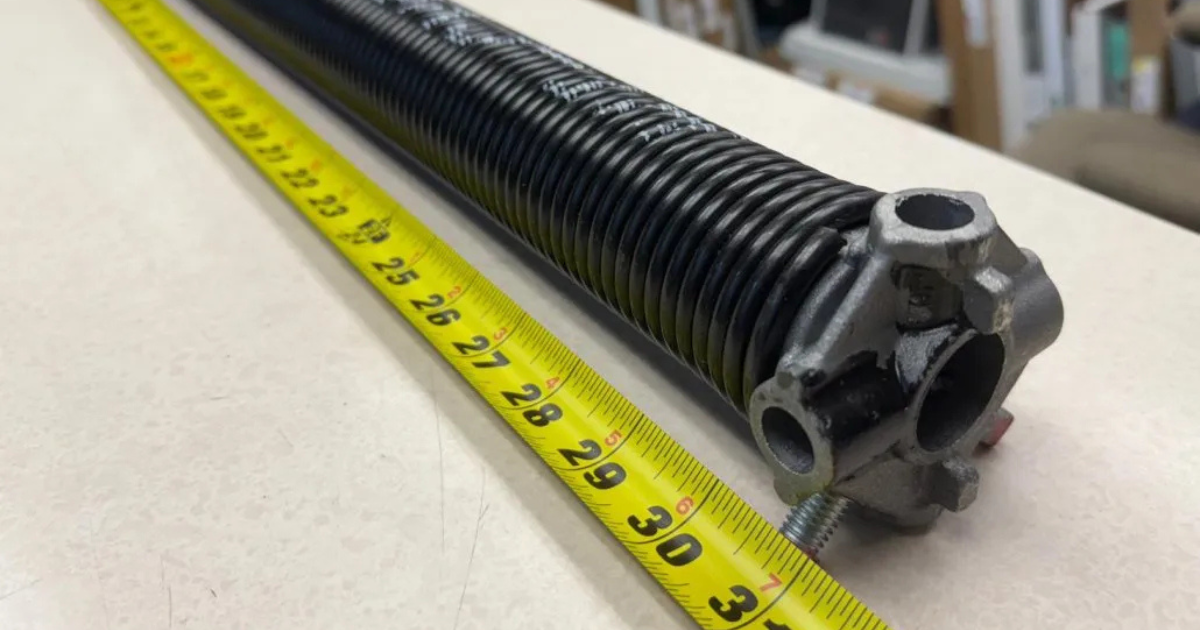
- Torsion springs store energy on closing and release it to assist the lift.
- Extension springs stretch and contract along the side of the door to support movement.
- They keep the door balanced so it travels evenly on both sides.
- Without them, nothing manages the dead weight of the door.
To learn more about what causes these failures in the first place, read our guide on What Causes Garage Door Spring Repair Issues?, which breaks down the most common reasons garage door springs fail in residential homes.
Can You Manually Lift a Garage Door With a Broken Spring?
Yes, but doing so comes with significant risks that make every attempt more dangerous than it appears, and here is exactly why:
Extreme Weight
Springs handle 90% of the lifting work, and without that support, the door’s full dead weight transfers directly to whoever is trying to move it.
Watch what that weight actually means in practice:
- A single garage door weighs between 100 and 400 lbs, depending on material and size.
- Springs do the heavy lifting, so the opener and operator only guide the movement.
- Without spring support, even a standard door becomes physically overwhelming.
- Back injuries, shoulder strain, and loss of grip are common outcomes.
- Losing control of that weight even briefly puts anyone nearby in danger.
Attempting to lift that load without spring assistance is what turns a mechanical failure into a physical one.
Risk of Property Damage
Without spring tension holding the door in balance, controlling a 200 to 400-pound object with bare hands becomes nearly impossible the moment grip shifts.
Here is what happens when that control is lost:
- Losing grip for even a second sends the door slamming down with full force.
- Vehicles, tools, and objects underneath are directly in the path of impact.
- Door panels can crack, bend, or splinter depending on the material.
- Tracks and hardware absorb the shock and can bend or break on contact.
- Surrounding walls and the garage floor can also sustain damage from the impact.
Keeping the area completely clear before any manual attempt is the only way to reduce the risk when the spring is no longer doing its job.
System Component Overload
Forcing the opener to lift a door without spring support loads the motor and drivetrain with weight they were never rated to carry.
Here is what gets damaged when the opener takes on that load:
- Plastic gears inside the opener strip almost immediately under the full door weight.
- Steel lift cables snap when tension exceeds what they were designed to handle.
- The opener motor overheats, trying to compensate for the missing counterbalance.
- Drums and pulleys take on uneven stress that warps or cracks them under load.
- Forcing the system this way can disable the opener entirely.
Every component connected to the spring system pays the price when the door is operated without that counterbalance in place.
Severe Injury Risk
Broken garage door spring repair is treated as urgent by professionals because the stored tension in a compromised spring does not disappear the moment it snaps.
Here is where the injury risk actually comes from:
- Torsion springs stay wound with high tension after breaking and can release violently.
- Snapped cables recoil and can strike anyone within range.
- Pulleys and brackets can dislodge and become projectiles without warning.
- Manual handling puts hands and feet directly near high-tension components.
- Stored spring energy releases instantly with no time to react.
Operating a door in this condition puts everyone nearby in direct contact with forces that a professional technician is specifically trained to handle.
How to Lift a Garage Door With a Broken Spring in an Emergency
Lifting a garage door with a broken spring in an emergency requires extreme caution, the right steps, and at least one other person to do it without putting anyone at risk.
Here is how to lift a garage door with a broken spring in an emergency:
- Pull the red emergency release cord to disconnect the door from the opener trolley.
- Never attempt the lift alone, as two adults are needed to manage the weight evenly.
- Lift from the bottom corners using legs, not the back, and move slowly.
- Once fully open, clamp the rollers to the track using locking pliers or C-clamps.
- Place 2×4 blocks under both ends of the door to prevent sudden drops.
Every step of this process matters, and handling an emergency garage door situation with full caution is what protects everyone involved.
What to Do After You Have Lifted a Garage Door With a Broken Spring
Once the door has been lifted and the immediate situation is handled, the focus must shift entirely to keeping the door stable and getting a professional on the way.
Here is what to do after lifting a garage door with a broken spring:
- Lower the door back down carefully and keep it closed.
- Leave the opener disconnected until a professional has completed the repair.
- Check for visible damage on the cables, rollers, and tracks without touching any spring components.
- Clear all vehicles and objects from the door’s path while waiting for the technician.
- Call a local garage door repair professional in San Antonio as soon as possible.
Each of these steps protects the door system and everyone around it until a trained technician arrives to properly repair the broken garage door spring.
Getting Your Garage Door Fixed After a Broken Spring
When a professional arrives for a broken garage door spring repair, the process covers far more than just swapping out the damaged spring.
Here is what to expect:
- Full system inspection covers cables, drums, rollers, and tracks before repairs begin.
- Both springs are often replaced together since they wear at the same rate.
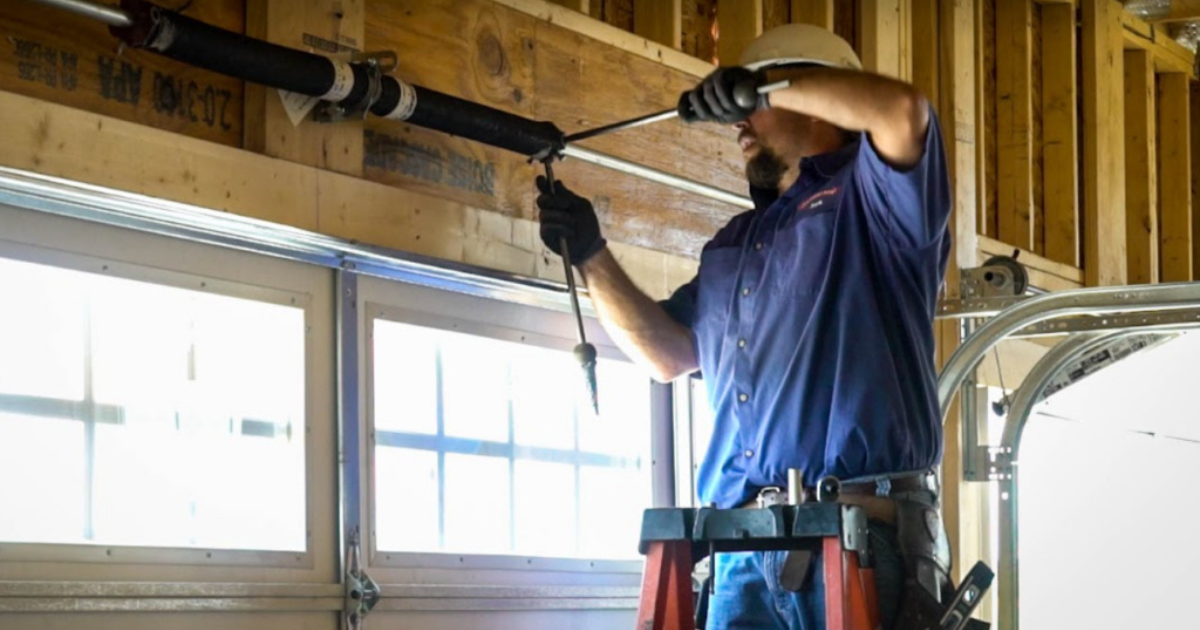
- Torsion springs are removed using specialized tools that safely handle high tension.
- New springs are calibrated to match the exact weight and size of the door.
- The system is tested after replacement to confirm smooth operation.
To learn why professional repair is always the right approach, read our guide on Why Garage Door Spring Repair Should Never Be a DIY Job, which covers what homeowners need to know before touching any spring component.
How to Prevent a Broken Spring So Your Garage Door Can Always Be Lifted Smoothly
Keeping garage door springs in good condition comes down to a few consistent habits that extend their service life and reduce the chance of unexpected failure.
Preventive steps every homeowner should follow:
- Lubricate spring coils every six months with a silicone- or lithium-based lubricant.
- Inspect springs regularly for rust, corrosion, or visible wear.
- Test the door balance monthly by disconnecting the opener and letting it rest at waist height.
- Listen for squeaking, grinding, or popping sounds and address them early.
- Schedule an annual professional inspection to catch worn springs before they fail.
A trained technician can spot what daily use makes easy to miss, and consistent maintenance is what keeps garage door spring repair off your schedule.
Yes, a Garage Door Can Be Lifted With a Broken Spring, but It Should Never Be Done Without Professional Help
Understanding the risks of a broken spring makes it clear why attempting to lift the door without professional help is never worth it. Every component connected to that spring is affected the moment it fails, and the door deserves a proper fix, not a temporary workaround.
Lincoln Garage Doors LLC specializes in garage door spring repair throughout San Antonio, TX, and our team is ready to handle everything from broken-spring diagnosis to full system restoration. Contact us or give us a call today, and let our team get your garage door lifting safely again.